JOIN US FOR FREE 4HR OVERRULED CLE NOVEMBER 5th @ LOEWS HOTEL
Absolutely NO FEE Unless We Win!
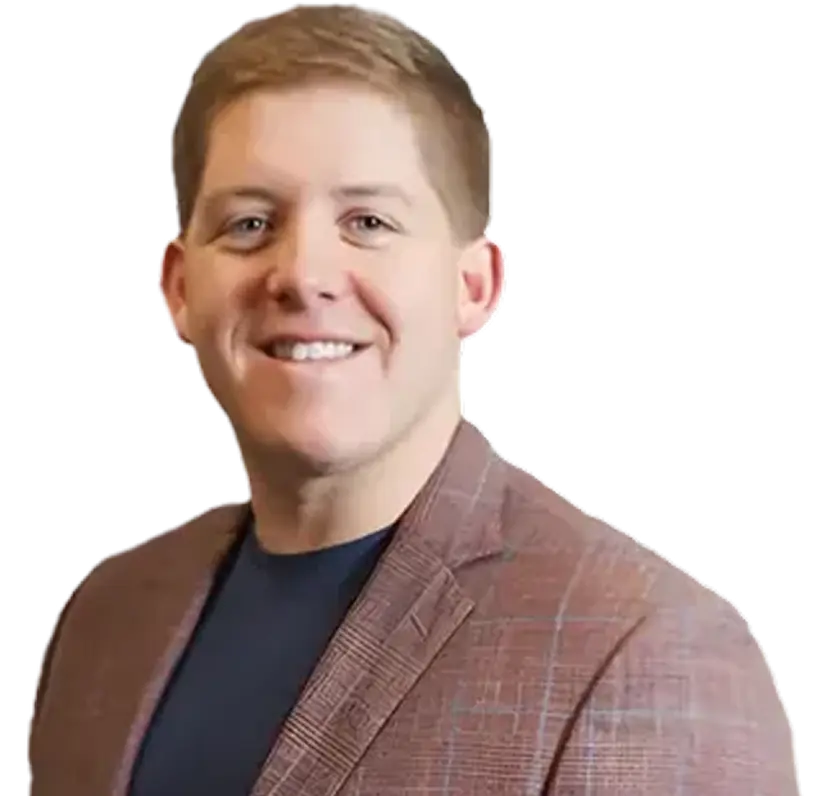



Feb 2024 | Overruled with Scott Vicknair
Today’s guest is someone we greatly respect and have really looked up to as we’ve gotten to know her better over the years. Voris Vigee is the president and CEO of Volunteers of America Southeast Louisiana and someone who has been serving New Orleans and the state for decades. Voris originally came to Louisiana with aspirations of becoming a pediatrician and serving impoverished neighborhoods. She chose Xavier University for medical school and got a job working with individuals with intellectual and developmental disabilities to help support herself. One of the individuals she met there changed her life and led her on this path to where she is today.
In this episode, we’ll spend time talking with Voris about her background in philanthropy and why she was called to served many years ago. Plus, we will learn more about Volunteers of America and the Southeast Louisiana affiliate that she’s been involved with for more than 20 years. It’s an organization that provides incredibly valuable services to a 16 parishes in our state and we’ve seen first-hand the impact they’ve made. We are grateful for Voris’s time and hope you enjoy learning more about this great organization.
Here’s some of what we discuss in this episode:
1:12 – Her background
4:58 – Preparing for this leadership role
11:13 – Collaborative leadership
13:38 – What is Volunteers of America?
18:03 – How VOA serves the community
24:25 – Hand up not handout
30:26 – Leadership lessons
34:55 – Her superpower
Good morning, and welcome to the Overruled podcast, brought to you by the Scott Vicknair Law Firm. This is your co-host, David Vicknair, along with my law partner, Brad Scott. Good morning, Brad. How are you doing? Good morning, everybody. Good to be here today, and we have a great episode for today, incredible guests. I’ve been looking forward to have on the show since we started this podcast. Very good friend of mine, Ms. Voris Vigees. Voris, I have known quite a while now through various roles that she’s held with an incredible local organization, Volunteers of America, Southeast Louisiana. And my initial journey with VOA, becoming a volunteer and a donor, I’ve just gotten to know Voris casually at first, and then through different roles in the organization, got to know her better and better, and she became a person who I had a ton of respect for over the years and have really looked up to, and really admire the leadership that she’s providing to that organization, which we’re going to get into as president and CEO today. And so we’re super excited to have you today. Welcome, Voris, to the Overruled podcast. Thank you for being with us. Thank you all for having me today. It’s a pleasure.
All right, v, I hope let’s just jump right into it and have you just tell our listeners a little bit about yourself. Where’d you grow up? Little bit about your family and your upbringing.
Well, I am not a native New Orleanian. I was born and raised in Chicago, Illinois, and, my journey here, some years ago, looking at college opportunities and, ideally, back then, I wanted to become a pediatrician. You know, I wanted to be able to, you know, serve impoverished, neighborhoods and open up a clinic in and, in an impoverished neighborhood and, and just serve the kids. So, Xavier University of Louisiana brought me here to New Orleans. Some years ago, and it still remains true today, it was number one for getting my notoriety into medical school. And so the intent was to go to medical school from Xavier University. One of the things that we tend to do when we’re, we’re college students, is that we need part-time jobs, right? We want to work and, and have a little extra money in our pockets, you know, while we’re, while we’re doing what we need to do as far as the education piece, but we want to have a nice social life too. So my parents said, well, you need to get a little job. And my first job, here in New Orleans, while I was in college, was working with individuals with intellectual and developmental disabilities in a group home setting. And that’s where you have six or six to eight individuals, with a myriad of challenges, residing together, and the staff are providing 24-hour care to them. So that was my job. One of the individuals whom I was serving in the group home setting, you know, he really touched my heart. And so as a result of that, I ended up changing my major, from biology, pre-med, to psychology, pre-med, going into my junior year, and my parents weren’t very happy, but, that’s how I got started, you know, being from Chicago, and I haven’t returned home because, you know, in New Orleans, you meet a New Orleans guy, they tend to hold onto you. So, you know, I’m a great transplant, but, it’s been a blessing to serve the greater New Orleans region and a service capacity. It’s been a blessing.
I’m sure the gumbo and the food didn’t hurt, huh, Voris?
Oh, not at all. Not at all. It didn’t hurt that I married a fabulous, guy, you know, too. So.
Absolutely.
That’s interesting. It sounds like you had that little seed and, when you were in school, of that like philanthropic kind of volunteer seed that kind of maybe shifted that part of your brain, the thinking, and that direction. And it’s interesting, you brought it up because my next question was going to be, what kind of pushed you, what else was it that maybe pushed you in the philanthropic, 501 C3, or, you know, type of service oriented sector.
One of the major things that pushed me was the, you know, the need to see change, you know, impact in a way that, everyone gets to experience a better quality of life, regardless of their circumstances. And, working with the young man whom I worked with, while I was in college in a group home setting, I was still doing the good work that God called me to do. You know, it wasn’t in any capacity as a pediatrician, but it was in the capacity of being able to assist and transform someone’s life for the better. So, that’s, you know, one of the, the pieces of my foundation, being able to see a need for positive change and substantial impact on folks’ lives.
What do you think, Vores, and you have a really, excuse me, we’ll get into it in a second. You have a significant role now as president and CEO of Volunteers of America Southeast Louisiana, which is, we’ll get into the size of the organization and the breadth of it in a minute. But what are some, what, what did you, what did you do before that you think really prepared you for the leadership role that you now sit in as president and CEO?
Great question. If you can nail it down, you may not be able to nail it down to one thing, right?
Yeah. It’s several things. But I can share that my prior role, serving in the capacity of the executive vice president, program operations, not only prepared me because I got to see, I was able to see the breadth of the organization as a whole. You know, and Volunteers of America is a multi-faceted complex organization, which a lot of the folks in the community, probably did not realize. I mean, we have 30 plus business lines, here at this organization as of, today, and we have approximately four to five, subsidiaries. And so, being in my previous role and served in that capacity, since, 2002, it allowed me to understand the service populations, you know, folks living with, severe mental health issues, people experiencing homelessness, people, who are experiencing substance abuse issues and working with the more mature, some people call them elderly, I say the more mature people, you know, in their needs and being able to have those conversations and how can you develop innovative services for the community that are able to resonate and align with the community needs, you know, having those conversations with various stakeholders, definitely assisted me in being able to have the understanding and, ensuring that I remained with a compassionate heart as I served. The other, key value to it, is that I have a business background. So, being able to understand that when you’re working in an organization that’s a non-for-profit, a lot of folks see non-for-profit as charities per se. But then today, we’re business. And so we have a double bottom line. We have a social bottom line and we have a financial bottom line. And so operating in the capacity as executive vice president, and then my business degrees, afforded me the opportunity to understand that it’s important that, you just don’t garner resources to be good stewards of it, but you also garner resources so you can pour back into the organization and the community to continue to fulfill the needs and ensure that the sustainability of those services, are long term.
I think that’s a great point, Voris. So I guess you had been vice president for what about 17 or 18 years before you?
Very, very long time. I won’t date myself.
Well, you look great. That’s not an issue. But, you know, I think it’s just a key lesson to be learned, just that small little element of your journey, right? It’s like, I sometimes see people in business, whether it’s in, you know, and it’s true. I know it from the inside. VOA is a business and a social component, a huge organization, which you have to manage complex financials and over 300 employees. But in business and philanthropy and different sectors of the economy, it’s just the impatience of wanting things to happen overnight. But, but really what I’m hearing from you is, is along your way, is that patience of learning, the organization, of learning skills and watching, maybe the previous CEO and, and other things happening in the organization, really laid a strong foundation for you and prepared you to become the leader that you are today for the organization.
Absolutely. And, the great thing about it is that the previous CEO, Jim LeBlanc, whom, I succeeded, he had been with the organization for 30 plus years, not just here in Volunteers of America Southeast Louisiana, but he served in other capacities, across the country, specifically in Oregon. And, so from watching and being able to receive some mentoring from him as well, also assisted, in my leadership. And so, you know, you watch and you learn. And then you also watch and learn from your community partners as well. You learn what to do and what not to do, and what can you do and what you can’t do. How to build capacity to do what’s needed. And so, and I also learned from my peers. And, you know, that’s important because we have a, one team, you know, you don’t garner all the information from just one person in the room, you know, everyone in the room can bring value who sits at the table. As well as, the board of directors, that’s why it’s important to have board of directors who come from varying backgrounds with a vast level of experience. So you can gain insight and being able to, bounce ideas and, and, receive suggestions or recommendations and to drive the vision for the org. So, then, but you got to have that business mind.
That’s right.
Stable saying, you know, business mind, serving heart, Notre Dame. So, you know, that’s, that’s important as well.
I also think you really, maybe not even, intentionally doing it, really describes your leadership style that I’ve been able to watch both on committees and as a volunteer, now on the board, is, and I try to do this myself, is a collaborative leader. And you really are successful at bringing, different stakeholders together, different pieces of that organization and outside vendors and stakeholders together to reach a singular mission. So, what, what is your perspective on that? Like, on your leadership style and collaborative leadership and, and how effective that is to reach the best ultimate conclusion in business and philanthropy?
Volunteers of America can’t do it alone in the community. First and foremost. I, I think that no organization who, has a mission to serve can do it alone. Because we do not have all of the ingredients that are needed. It takes insight from other orgs and businesses of the community, you know, it takes the conversations, the much-needed crucial conversations, to discuss, what are, you know, the challenges that they see, some of our business leaders see across the community, when they see some of our populations whom we serve in the community, are not where they need to be. So, hearing that, having that common, those conversations and that dialogue, it allows us to, to create win-win situations, overall, for the community. It’s not based on what we think, it’s based on what their, what everyone thinks, but coming to some sort of common ground as to how we can build sustainable, programming that’s going to meet the needs, how we can develop affordable housing that reflects the community in which we serve. Because Volunteers of America Southeast Louisiana serves a 16 parish area. So bringing, the right people to the table, the stakeholders to the table, not just from New Orleans, not from just, you know, Jefferson Parish, you know, because the experiences that we have here in the Greater New Orleans area are not the same experiences that are had down in the whole of Terrebonne Parish community or in Saint John, Saint James Parish. So, bringing all of those folks from various areas to tell us what they need for their particular community, and being able to have them to be a part of, that blueprint that we create, is invaluable. It really is. It’s invaluable. We can’t work within a silo, so to speak. You can’t do that. It takes the entire community to move the community forward.
I couldn’t agree more. I was hoping, Vores, that you could maybe give our listeners some a brief oversight or perspective on, before we get into VOA and what it does, the size of Volunteers of America Southeast Louisiana, its structure, what region it serves, and its kind of role in this region.
Absolutely. Volunteers of America, just let the, the, the listeners and viewers know, it is a, an organization, that’s 127 plus years strong. We started back in 1896. And, our national office is based in Alexandria, Virginia. And what a lot of folks do not know, is that Volunteers of America Southeast Louisiana is one of 28 affiliates across the country. And we have Volunteers of America Inc. Who serves as a technical support entity to the organizations across the country. We are one of three affiliates in the state of Louisiana. There’s Volunteers of America South Central Louisiana and Volunteers of America North Louisiana. We all have our own governing board of directors. We operate, individually, and the best way that I can describe it to give you an analogy, it’s like a franchise, like a McDonald’s. You have the mothership and then you have the franchisees. Volunteers of America is a federated organization. Volunteers of America Southeast Louisiana has approximately 30 plus programs that we deliver, across a 16 parish area. We operate with, almost 500 employees across Southeast Louisiana. And we serve almost 30,000 people across Southeast Louisiana. And so a multitude of programming, from providing, services to people who are in a correctional facility, seniors, folks living with mental health issues, and all. But then we have our subsidiaries. Renaissance Neighborhood Development Corporation, which is a very large subsidiary of Volunteers of America Southeast Louisiana, that provides our affordable housing. We have over 14 properties that we have developed and or built within, the Greater New Orleans region and down in Terrebonne Parish, parishes and Saint Tammany Parish. So when it comes to our housing development, arm, we have over $150 million worth of assets there. When it comes to Volunteers of America, programmatic side, community services in the community, we have been very fortunate to have federal and state grants, roughly almost $42 million in order to provide services across the state and specifically our 16 parish area. So we’re very large and we’re very complex, and we have, you know, employees who are extremely dedicated, you know, to, our mission, which is to reach, reach and uplift all people, within our communities we serve. So, very large organization.
You mentioned some of the things that VOA does, Voris, just now. So the affordable housing, the housing properties that it manages and the housing units that it has out there. But I was hoping you could expand a little bit more, not necessarily on everything it does, because the organization does so much. And, but for me, for example, I remember one of the neat programs that VOA does that kind of blew me away at the first little event that VOA I went to over a decade ago, that my old boss brought me to, was that VOA would go out to somebody’s house and, free of charge, just build a wheelchair ramp on their house. I thought that was just so neat because it’s just such a small, but to somebody, could be a significant cost, and also the hassle of having an outfit that house for wheelchair ramps when somebody has a disability or a problem or an injury or something in their life. And I just thought that was so cool. And that kind of is that small little unique program, kind of started to be on my interest and peaked my interest about the other neat things that VOA does. So I was hoping you could expand a little bit more on some of the other things that are neat that VOA serves the community with outside of just housing.
Thanks for bringing that program up. That program is called our, our craftsman home repair program. And that’s where we provide affordable home repair services, to individuals, veterans, seniors, and just the public in general. We can provide, home repairs, minor home repairs, ramps, grab bars, up to $75,000 worth of, repairs. So we’re licensed, and that’s a service that, you know, the community at large, a lot of folks aren’t aware of. And so we do, you know, small developments there. But beyond that, when I say we cover, we provide services from birth to our more mature crowd, quote unquote elderly, we do it all. You know, our adoption and maternity program, where we serve birth parents and adoptive parents along with, couples, you know, and provide them the birth mothers, maternity care and counseling to the potential adoptive, couples and parents. We provide, services to seniors where we have community, health workers, case managers who work with our more mature crowd, and ensuring that their benefits are, where they need to be and provide them with community resources so that they could age in place. Everyone knows about our auto donation program. You donate your auto to Volunteers of America and the proceeds go to fill the financial gaps of the org. Our behavioral health services, working with folks with mental health issues, or substance use issues, providing crisis intervention services, as well as, case management and counseling services to that population. We also have group homes across the Greater New Orleans area, seven group homes where we work with, individuals with intellectual and developmental disabilities. They live, in those homes. They’re homes. And we provide care to 54 individuals at one given time, 24-hour care. And then we have a supportive living services program where the individuals who have intellectual developmental disabilities, want to live on their own or live with their, their family members, we actually deploy the support to their individual homes where we could be able to work with them to ensure that their needs are met, whether it’s going to their job or get down in the community at large. We have our health services support program, whereas we work with folks who are affected by HIV and AIDS. A lot of people may not have known that. We provide that service, in Saint Tammany Parish, as well as Orleans and Jefferson Parish. We also have our counseling, private counseling, whereas we can provide counseling to anyone, who’s in need. It can be marriage, anger management counseling, mental health counseling. And that means that, you know, you don’t have to just be a, you know, you can have any type of insurance and we can provide that care. Even private, pay. We have a medical respite program, whereas we have individuals who are in the hospital, we work with the managed care organizations, like, Merit Healthcare, or United Healthcare, whereas individuals in, in the hospital, but they can’t go home because they have no support there, and they need an in-between place where you can service them and in a safe and supportive healing environment. And so we serve as the medical respite, so they don’t end up back in the hospital sooner than they needed to be. We have a mentoring children in poverty program, where we work with individuals, youth, children who may have an incarcerated parent or parents or at risk youth. And we provide them with a mentor. Residential reentry, whereas we’re working with, it’s a correctional facility, where we work with individuals who are, who are experiencing the last, three to six months of their federal sentence in our program. And we work to successfully integrate them back into the community. Retired senior volunteer program. I can go on and on and on. We have 30 plus programs. And folks are able to access those programs and see all what we do on our website at VOA SEL A.org. VOA SEL A.org. But 30 plus programs across Southeast Louisiana. A lot of folks think that, you know, by us being called Volunteers of America, we’re a volunteer organization. We do more than just, you know, provide volunteers, that’s a very, very small part of what we do. Our goal is to be able to provide, you know, meaningful impactful services to the community at large to a vast group of people across our community.
Yeah, you know, I think I was telling Brad the other day, Brad, I may have been you, but, Voris, I think I went and look at this, specifically on the reentry facility. Yes. This is a really nice facility. I don’t know if we have more than one, but there’s one in New Orleans that I was able to go and tour. And, and you think about the social impact of that, Brad. It’s like, yeah, we don’t want some, and people make mistakes, they go to prison, but when they come out, you know, we don’t want them to be falling back into anything that maybe led them there or to be going to a part of their life where they either get addicted to drugs or crime. We want them to be entered back into society and become productive members of society, to go get, you know, to have gainful employment, to work, to be able to, you know, have a good life and, and, you know, pay taxes, be a, you know, a beneficial member of society and, and make a difference with the rest of their life when they get out. And that facility is, is such a nice facility and really done such a great job of doing that. And that’s just a small little. Yeah, a lot of those programs I did not know about. I was introduced to VOA through David from going to just like some of the breakfasts and stuff that you’ll host for the fundraising. And one of the things that struck me, which I didn’t know about VOA before, was a lot of the programs, they’re not handout programs. They’re hand-up programs. That’s correct. So it’s about giving people some resources and, you know, you hear these amazing stories at these breakfasts of people who have, you know, they were, they were helped by VOA and kind of what their path was. They may have had some type of drug addiction or some issue and it was a safety net to catch them.
And hold them there. And you give them the tools that are necessary, and then they are off the VA program, you know, and they’re doing well all on their own. And some of the stories, just amazing stories, to hear, to hear how impactful these programs were for these people, and their family, and everyone else around them. But yeah, I mean, you can’t stress enough how much of it is a hands up, not a handout type of thing for a lot of them. Absolutely. Absolutely. And, just to highlight one particular program, our Veterans’ Program, where we have a residential, component to it. And, you know, for the, the guys who, and it’s an all-male program, but for the guys who have, you know, served our country on behalf of us to ensure our freedom and freedom, this transitional residential program where the, you know, the VA provides 24 months where they can live in this residential service, with this residential service. Our goal, because it’s a benefit, a lifetime benefit that they receive, 24 months. Any event they fall on hard times and they experience homelessness, they have a 24-month benefit. Our goal is to reintegrate them back into society less than six months. That means ensuring that they are reconnected with their benefits that they’ve rightfully earned, their VA benefits, ensuring that, you know, if they have employment, if they want to have employment, that they have that, and they’re in safe and secure permanent housing. Because we want to preserve those benefits. Any event during the rest of their lifetime, and they need it, they can use those, those, benefits anywhere throughout the country. Any residential facility out the country. So, we provide those, those employment specialists, one staff, case management, people, one staff, as well as counselors to ensure that they get what they need. And they utilize their resources, so they can permanently live in the community in which they desire with the right supports. But it’s not a handout. It’s, you know, teaching people, right? You say if you teach someone how to fish, they’ll be able to, feed themselves for the rest of their life, right? So, you’re teaching them. And they have a lot of transferable skill sets as well. Veterans have a lot of transferable skill sets, in which they can utilize in order to successfully reintegrate into the community. So, very good point. It’s not a handout. Yeah, that’s a good example. And somebody asked me, what does VOA do, one time? And the way I get described to them, and maybe a bad explanation, but the way I saw you guys is, y’all kind of pick up where the government fails. You know, the government’s really good at issuing checks, but then they let people kind of drop off after that. Y’all are really good at, you know, getting those resources in people’s hands and getting them to that next step, getting them to a place where they can support themselves or help themselves. And I feel like that’s something our government’s not really good at doing. Well, I’ll, I’ll say this, because we do receive a lot of government funding, but our goal is excellence. It’s not basic. And so, what that means is that we want people to be able to have their confidence restored, be, you know, folks to understand that they do have the ability to thrive. And Volunteers of America is able to help them with that, to, you know, get their confidence restored, be able to see that they can live independently in the community successfully. You know, training, you know, because a lot of times we take for granted what people need, because we’re viable individuals in the community, we’re thriving. But understanding what their needs are, and be able to identify how they can assist in meeting those needs with limited supports, is invaluable. Invaluable. When people become a part of Volunteers of America, we say, you know, you’re part of an organization that believes in ensuring that you can thrive and survive, in the community if you have the right supports behind you. So, we, we act asgung-ho fans for folks, you know, to support them. So, and they believe in it. And then they become valuable supporters for the future too. They want to give back and pay it forward for the other folks. We hire people, you know, whom we’ve served. It’s a testament to what we believe our work is. We employ folks, whom we serve. And we’re going to continue to do that as well. And I have to say before we get off the services and then I am in a second with my next question, you know, another thing I think our listeners need to know that VOA does, which is so neat, between all the services to veterans, is they will go into a veteran’s house and re outfitting their bathroom and or kitchen and other areas of the property, if there’s a disability that they suffered, on the battlefield, which is really an incredible service and an awesome thing that VOA is doing. I was hoping to shift gears here a little into your leadership role there, Boris, and ask you, you’ve been on the job, you, I mean, you’re just mentioned, obviously, you’re running an organization of over 500 employees, complex, different subdivisions and real estate holding companies, with a lot of stakeholders, both internally and externally. Even though you had such a great foundation before you started the job as president and CEO, I got to believe there’s one or two lessons that you’ve learned in the last two or three years as CEO. What are some that may be stand out in your mind, one or two lessons you’ve learned, and your role as CEO? You know, this is something that, that, you know, stood out even more in my CEO role, but I knew it prior to my CEO role. And, Jim used to say this and I embrace it as well. Trust but verify. I don’t know if you all know who that came from. Trust but verify. Ronald Reagan said that years ago. Trust but verify. You can trust that the person’s going to do what they need to do, but it’s your responsibility to ensure that you verify that it’s done. That’s important because at the end of the day, you’re accountable, right? So, that is something that, has resonated now, you know, more than ever, because, my three pillars for the for the organization: integrity, transparency, and accountability. Integrity, transparency, accountability. And I keep repeating it and I send it out in my Friday messages, in communication throughout the organization, I communicate with the staff every Friday. So, it’s important, right? You have to do what you say you’re gonna do. So, on those three pillars, trust but verify and then the other thing I would say that I realized, all money is not good money. Okay? All money is not good money. We may have some financial gaps, but we’re going to align ourselves with those individuals who truly believe in those businesses who truly believe, in our mission. And so, if that means we have to work a little harder to fill those financial gaps, we will do that. Because if those, those dollars are not aligned, then we’re not, we’re compromising who and what we are today. And I will not do that. Not in this seat. Yeah, that’s such a good lesson because I mean that extends not just in what Volunteers of America is doing from the standpoint of fundraising and bridging gaps, right? To provide the critical services to the community and serving others that VOA is doing. But it really extends, right, to business. I mean, it doesn’t matter what type of industry you’re in. Just because you have an investor who’s coming in or somebody who wants to offer you a loan and their money’s all green and it all the same. But that doesn’t mean that you’re that you’re aligned with them and it doesn’t mean that they’re the right partner or the right person to be doing business with. That can quickly become a poison. Yeah, that’s correct. And a lot of people have learned that. I think we’ve all maybe learned that the hard way, as, as and you learn from your mistakes, right? You fall down, you get back up. Is I’m not doing that anymore, right? Absolutely. And you know, the other thing that, a lot of folks don’t know is that Volunteers of America is a faith-based organization. So, it’s imperative, that, we, we align ourselves with, businesses and individuals who believe in uplifting people. And ensuring that they want their communities to thrive, because it takes collective work, collective energy, you know, people at the tables to drive progress. And we want to drive progress, you know. You’ve been here for 127 plus years, and, you know, we want to be here another 127 plus. So, and having the right people in our organization who want to do that great work, right? We, you know, and we want to give 110% and have people around the table who want to do the same. So, Boris, one of the last couple questions I have for you, and this is gonna be, I know a tough one for you, very humble person. But I like to always put, I guess on the spot every now and then and ask him, what is their superpower? And by that, I mean, what do they think is maybe that one unique trait that they have, that personality trait, that ability they have, that has really helped them succeed along their journey and is helping them in their role today? So, if you had to pick it down to one thing, what would you say is your superpower? Discernment. I believe I’ve been blessed with the spirit of discernment. Discernment. That’s a good one. I have a strong faith, foundation, and, you know, I, I would like to think that, you know, my decisions are or are based on what I’m able to discern what’s good and what’s not good for the betterment of the ward. So, discernment. That’s a great one. Great tool. Kind of plays into, I, I call, I call it like my, your good instinct, right? Yes. Where is your gut leading you when you kind of like, observe this thing and really take all the factors into consideration. One last, one last question I have for you, Boris, is what is, what is one thing, and you may not have one, but we talked about your role, your role, starting back in, your journey starting back in Xavier, all the way to now being the CEO of an organization of over 500 employees. What is, one thing you wish you knew when you started this journey? Oh, that’s a great question. It’s hard. I’m begging you. One thing I wish I knew when I started the journey years ago, correct? Okay. I would say, I wish I knew that all people aren’t good. I wish I knew that back then. And that’s a, that’s a, that’s a, that’s an interesting comment. And, and I’ll tell you why it’s interesting to me. You know, I come at, I probably am too trusting. I think Brad probably is. There you go. That’s the line with what I’m saying. I think I have, I have learned that lesson myself too, right? Is to be, it’s kind of is almost dovetailing with some of your pillars, right? Like trust but verify. Yes. And so, age and wisdom have kind of imparted a little bit on me on not necessarily being as trusting and believing that everyone always has a good motive or is a good person, like you said. So, that’s a fantastic. I think that’s a lesson you learn through experience the hard way, no matter who you are. When you have a compassionate heart, you tend to give a lot more grace. But it’s not always, it should not always be expected to give, right? So, and that’s where the trusting part comes in when you’re too trusting. That’s when things can go wrong. 100%. And I mean, just seeing it in so many contexts, just in the, what we do, right? And it’s like the classic, for example, in like a business litigation dispute, where it’s like you have a couple of partners, one of them’s just trusting the other partner, not paying attention to the books, going on in the bank account, somebody goes to Tahiti. That’s it. No excellent, excellent point. Well Boris, thank you so much for everything that you’re doing in the community. I mean, I just see it, since I’ve been involved in the organization over many years now. And, you know, I can just say from my own personal experience, when I sell the organization to people I know, that this is not an organization that’s funneling money to people to work for it, who are taking the money away from the people who need it. This is an organization that is strong, well-organized, and really singularly focused on serving the community in many different aspects. So, thank you for everything that y’all are doing in the Southern Louisiana community. I see it. It’s incredible. And especially for you as, as I’ve watched over the last two or three years as the CEO and leader of it, for all the awesome things you’re doing as a leader, you have a ton of great qualities that I really admire and look up to. And I see the day-to-day impact that it is having on the organization. So, thanks for what you’re doing and most of all, thanks for being with us here today on Overruled and discussing it with us. I wanted to thank you all both, for believing in and Volunteers of America and its work. And, David, the time you’ve spent, you know, investing in Volunteers of America, it does not, you know, go unnoticed. And we continue to need, people who have compassionate hearts and people who believe in the great work and that we do to, you know, align themselves with us. And you all have done that. And so, I want to thank you all for that and also giving me the space and time to share Volunteers of America’s story today. Truly appreciated. For our listeners who want to get more involved with VOA, want to contribute. What’s the easiest way for them to reach you guys or get involved? Yes, they can contact, our office, 504-482-2130. Area code 504-482-2130. That is our administrative office. We have several offices across, the 16 parish area, as well as they can visit our website, www.voasela.org. Voasela.org. And we are also on all social media outlets, from LinkedIn to Twitter, to Facebook, Instagram, you name it, we’re part of it. We want to get our story out there. Fantastic. Well, thanks again for being with us, Boris. Thanks to all our listeners for listening today.
This has been the Overruled podcast, brought to you by the Scott Vicknair Law firm, on behalf of myself, David Vicknair, my co-host Brad Scott. Thank you all for listening today. Go check out Volunteers of America, great organization. We look forward to having you in the next time. See you soon. Everybody take care. Scott Vicknair. Injury attorneys. We fight for the win. Information is for illustrative purposes only and does not constitute tax, investment or legal advice. Always consult with a qualified investment, legal or tax professional before taking any action.
Let's Get Started on Your Case
NO FEES Unless We Win!
Insights and Updates from Our Legal Team