JOIN US FOR FREE 4HR OVERRULED CLE NOVEMBER 5th @ LOEWS HOTEL
Absolutely NO FEE Unless We Win!




Apr 2026 | Overruled with Scott Vicknair
What really happens inside a high-profile federal trial? Investigative reporter James Finn pulls back the curtain on covering one of the most shocking fraud cases in recent memory and what it’s like to watch it unfold in real time. From staged crashes to courtroom drama, this conversation explores how stories are built, how evidence stacks up, and how narratives shape outcomes.
Here’s what we discuss in this episode:
📄 How reporters build real investigative stories
⚖️ Why law and journalism are both storytelling
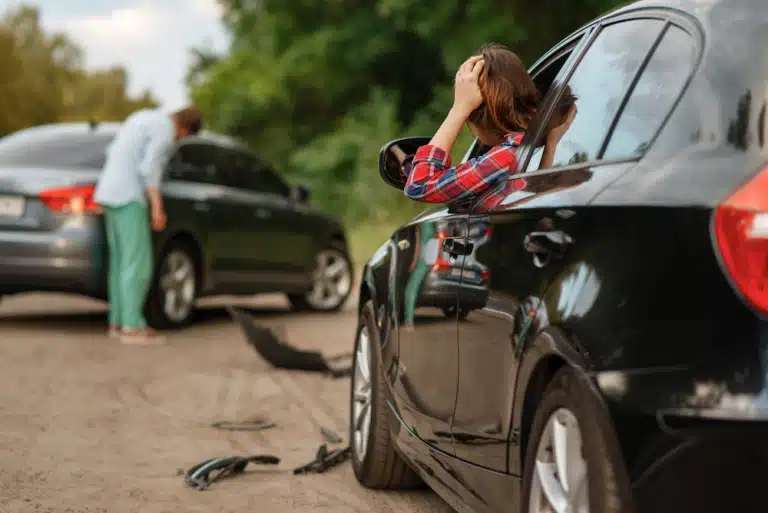
🚗 Inside the staged New Orleans crash fraud scheme
🎤 What witness testimony revealed in court
🔍 What to watch in upcoming federal cases
0:00 – Getting to know James
2:30 – How investigative journalism really works
4:54 – Lawyers vs reporters
9:40 – The staged crash fraud case
31:35 – What happens next in this case
36:42 – Upcoming trials to watch
37:51 – The Cantrell case
44:47 – Final thoughts
Get in touch with James: https://rjamesfinn.com/
Email: jfinn@theadvocate.com
#neworleans #neworleansnews #federaltrial #insurancefraud
Injured? Begin the process here:
Scott Vicknair Injury Lawyers: https://www.scottvicknair.com/
Car Accident Lawyer: https://www.scottvicknair.com/new-orl…
Truck Accident Lawyer: https://www.scottvicknair.com/new-orl…
Motorcycle Accident Lawyer: https://www.scottvicknair.com/new-orl…
Probate, Succession and Estate Legal Needs?
Visit Scott Law Group – Estate Counsel: https://www.louisianasuccessionattorn…
Scott Vicknair, injury attorneys, we fight for the win.
Hey, what’s going on everybody? David Vicknair, along with my law partner, bringing you another exciting episode of the Overruled podcast, brought to you by the Scott Vicknair Law Firm. I’m here with Brad digitally, he’s on a computer next to me, first run of this new setup, which I’m excited about. Really excited today to bring you an incredibly exciting episode, we have James Finn here, a beat writer with the Times-Picayune and NOLA.com, actively covering some very interesting stories, some very interesting stories we know he’s got coming up in the summer and fall about some really fascinating high-profile cases in the local federal court here. Looking over James’s biography as an investigative reporter, it’s incredible, all the stuff he’s covered. James, thank you so much for being with us today, we’re excited to talk to you.
Thank you guys for having me, I really appreciate the chance to be here.
So James, investigative reporter in New Orleans, politics and criminal justice, does that not be plenty of material?
It’s never boring, that’s for sure.
How did you find your way over here, James, tell everybody a little about you and your journalism experience, you’ve covered a lot of high-profile things, but you’re not, you ended up here from California, is that right?
That’s right, yeah, I grew up in California, in the San Francisco area, went to college in Vermont because my dad’s family is initially from up there, and ended up working in Mississippi because I was, that was kind of my introduction to this part of the country, working in Jackson for a great journalist named Jerry Mitchell. After finishing school I was applying for jobs down here and ended up at the Advocate in Baton Rouge, where I worked a couple years covering mostly politics, but law enforcement and other general mayhem that happens up there, a different town than New Orleans but with its share of chaos and interesting news too. I just felt like, coming out of school, Louisiana was such an interesting place to do journalism, endless stories, and I’d met amazing people down here in the South, so I took a chance and moved, and it’s been really amazing, I’ve felt very welcomed, and it’s been constantly fascinating.
And investigative journalism, people hear that, they think movies, cloak and dagger, deep secrets, cover stories, that kind of stuff behind the scenes. What’s it really like in the day-to-day life of an investigative journalist, how does the process work, I’m assuming it starts with maybe a tip, and then you’re doing a lot of independent homework and research. Walk us through how this usually plays out, where a story becomes something actually published.
Those are all totally elements of it, I think another part, maybe the biggest, underrated part, is relationships with people, showing up at places, showing up to court, meeting people who work there, and just being interested. If you’re curious about something that stuff comes naturally, you want to be in the room meeting people who work in this world, hearing how they do their jobs, and also earning their trust so they tell you what’s going on so you can write about it. As much as you can try to be an expert in the subject you’re covering, whatever it happens to be, for me that’s federal court and law enforcement, it’s a real privilege to get to do that, it’s very special to go to work every day and just ask people questions about what it is they do. From there it’s kind of about gaining an understanding of what the major stories are on your beat, who the major players are, what the power dynamics are. I’m not a reporter who likes to take months and months on a story, I like to develop my beat by writing more regularly, showing people I’m trying to get mastery of a subject by covering it regularly, which isn’t to say that if there’s a big story I can’t spend the time and resources investigating it, which is a great thing about the Times-Picayune, the paper where I work is locally owned and we have the resources to do that kind of journalism, which isn’t the case everywhere. So it’s about balancing longer-term projects with what’s happening day-to-day on my beat, that’s kind of the sweet spot you try to find.
Yeah, I’ve got to ask this as a lawyer, I can’t help it. As a litigation attorney, I feel like sometimes in the not-cut-and-dry cases, especially in the injury world, Brad’s in the estate world, a lot of Brad’s cases are not cut and dry, the successions and he-said-she-said, we almost operate in some ways like an investigative reporter, because we’re getting facts and statements and deposition testimony from different people to piece together the story of the case, similar to what you’re doing. You’re interviewing, you get a tip, and you start to map out who the players are, and do you just naturally, over time, as you talk to more people, begin to get a feeling like, this is the story, I think I know what’s going on here and where it’s going to go? Is that how it works, because it feels like that in cases, the stories piece together and you see the bigger picture as you get farther into discovery and litigation, I’m assuming that’s along the same lines of what you experience putting a story together.
I think that’s absolutely right, I’ll read legal filings and think, there are parallels to how we construct a piece of investigative journalism, you’re finding the main characters, figuring out the players and points of tension you’re building. I’d say the one difference is we have to be fair to all parties in a case or situation, not to suggest attorneys aren’t fair, but rather than representing one client’s perspective, we have all the clients’ perspectives to consider. But there are a lot of parallels nonetheless, I studied history in college and learned how to do the same thing writing history papers, which I think back on sometimes reading legal filings, some of the cases I’ve been covering have very colorfully written filings, if you read the filings in the case against the former mayor, LaToya Cantrell, they’re almost written with a cinematic quality, probably not by accident. As an attorney I’d be curious to ask y’all if you ever add narrative or color to your filings and if that serves a certain purpose, I wonder that reading some of these.
Yeah, I think, to get to your point, every lawyer, just like every investigative reporter, is different and has their own flair, their own way of communication and writing, so if you become a good legal writer you have your own angle. In the hypo you pose, the US attorneys being a little more flowery, maybe not the right word, ostentatious with the writing in the Cantrell case, I think they know they’re writing to the media to a point, writing to the jury pool, they want the case they’re prosecuting to penetrate out there, and they see that as part of their job. To some extent they’re probably just having a little fun because that’s their legal writing style, is my guess, it really depends on the lawyer, not every lawyer is comfortable writing that way. For me I’m a big believer in writing less and getting straight to the point, but every now and then we get a case where you can have a little fun because of the facts or things going on, you can, not unprofessionally, write a bit more ostentatiously based on the case. Brad probably has that opportunity more, just because of the nature of some of the estate fights, allegations that wills have been destroyed or can’t be found, potentially non-affiliated heirs claiming they’re entitled to part of the estate.
Sure, totally, a lot of my stuff reads like Jerry Springer, unfortunately.
But let’s get into some of the really high-profile cases you’ve covered, and the first I can’t help but want to go straight into because it’s ongoing and we’ve already shot an episode on it, is the Vanessa Motta and Jason Giles trial, the staged crash accident case in New Orleans. When Brad and I talked about this last we were discussing the trial in the middle of it, before their conviction. I know you sat in the trial for two of the three weeks and witnessed it, but could you tell us, before the trial started, how much work did you do on it, what was your involvement before it went to trial, when did you start writing about it, what’s your history with the story?
I had very little experience covering this before the trial, my colleague John Simerman has covered it for years, going back to 2020 when the case kind of blew up in the press because one of the key witnesses was killed, at his mother’s house in Gentilly, Cornelius Garrison. So John, my colleague at the Times-Picayune, has really been the authority on the case preceding the trial. I kind of went into it cold, having read John’s reporting very closely but otherwise not knowing a ton about the case. I knew it in broad strokes, this really bold scheme to coordinate drivers intentionally hitting big rig trucks, and allegedly those drivers were bringing the cases to attorneys. Apart from that I didn’t know too much, so I was learning on my feet as I was covering the trial.
I actually think that makes this discussion even more interesting, I don’t know if you do, Brad, because we’re busy, right, and have strong opinions about what happened in this case, obviously if they did it we’re very supportive of a conviction because of how it’s affected policyholders, increased insurance premiums, the bad light it puts on the legal profession. But we’re busy, Brad’s busy, I’m busy, we don’t have time, and we’re lucky to have professionals like you sitting through there. So I want to walk through the trial and your impressions, sitting there watching the witnesses, take us back, I know one of the first witnesses was Andrea, you probably weren’t there the first week, so you’d have missed Andrea Albert from Galloway Johnson.
That’s right, I did.
Who was one of the primary first defense attorneys who started to really piece together all the trucking cases Galloway Johnson had, one of the first witnesses. But take us through the trial from the beginning, what you witnessed and wrote about, and your big-picture impressions.
Yeah, I covered the first week, part of jury selection, John, my colleague, and I wrote a story about jury selection and the questions prospective jurors were facing, and the thing that kept coming up was questions about how they felt about insurance companies. I was so interested to see how that affected the jury pool and ultimately the trial and verdict, because you’d have people say, I hate car insurance companies, I find it so frustrating my premium is so high, that was an ongoing thing in the questions Judge Vitter, Chief U.S. District Judge Wendy Vitter, had for the prospective jurors. I thought it really highlighted how this case is playing out against a backdrop of a state with high auto insurance rates that state lawmakers have tried through various policy to bring down, but it’s an ongoing entrenched problem, and you really saw that in jury selection. A sense that ostensibly the insurance companies and trucking companies are the victims here, forced to pay settlements based on crashes they didn’t cause but were staged by these drivers and attorneys. So I was curious whether the jury would have some sympathy for the defendants because of that, since everyone has car insurance and has to pay it. From there I was off for a week, worked on another story, John handled the first week of testimony, where Patrick Keating, one of the other attorneys who was charged, testified, John sat in on that. I came back and covered the second week, where we started to see testimony from some of the drivers, who they called slammers. For your listeners who might not know the parameters of the case in its broadest terms, the scheme was, you had drivers who’d fill cars with people, mostly people they knew or people who knew people they knew, and they’d go out on highways in New Orleans looking for big rig trucks and intentionally hit them, then bring the passengers to injury attorneys to file lawsuits on wrecks they’d caused. It’s still hard to believe it even happened, the New Yorker did a great piece, with some inaccuracies, on tort reform, we’ve had three rounds of tort reform in the last five years, ’21, ’24, and ’25, in an effort to bring down auto premiums, but the New Yorker had a really long article a defense attorney sent me last night and I read it, and even knowing it all and reading it all, you can’t believe it happened.
Real quick, I have one question, James, so they would just pay these people, how do they find the initial person who wanted to get in the car wreck, what came out at trial?
John, my colleague, wrote a great story about this in like 2024, as there were questions mounting over the case because it had been four years since that witness was killed, and he went down to Houma and talked to some people enlisted to be in the wrecks, they were promised payments. It’s a good question, I’m not totally sure if they were given cash up front or just promised big settlements, large settlements, they were told you’d get in this wreck, these drivers had a pretty miraculous record of not hurting anyone, executing these staged wrecks without killing anyone.
Tremendous, nobody died.
Correct.
Which is insane.
Which is insane, no one died, we heard people talk about injuries they sustained and got surgeries for, but for the most part pretty minor, it’s almost like he had stuntmen coaching them.
Yeah, and I mean the gist of a lot of the testimony was, I had this injury, it wasn’t that bad, and I got surgery because I was told to do so because it would increase the value of my claim. So when I came back that second week it was a lot of testimony about, by those sorts of people, passengers, a driver, one of the slammers testified, and then we had a parade of insurance defense lawyers and defense lawyers for the trucking companies, who were the first to really sense something was going on here, because they kept seeing the same phone numbers for drivers and people in these wrecks, people from the same family filing injury claims against trucking companies for wrecks on really tight timelines. So they started to think, is this a concerted, strategic effort, and all generally in the same stretch of road in New Orleans East, they had this broad scheme and said, so we don’t get caught we’re going to put them all in the same stretch of road, which is mind-boggling to me, that it even happened, and the scope of it, but then the stupidity of it too, in some ways mind-boggling.
Yeah, but that was the second week, mostly defense lawyers testifying.
There were a lot of defense lawyers who clearly had spent a great deal of time and energy picking this apart, and they were all prosecution witnesses, the U.S. Attorney’s Office brought, I don’t know exactly how many, but I’d say dozens of witnesses, including maybe a dozen insurance defense lawyers and trucking company defense lawyers. It was witness after witness who told this story at every stage of the scheme, passengers testifying to being recruited and knowing these were staged crashes, drivers testifying they’d driven with the knowledge of the attorneys to get in these staged wrecks and bring them the cases, and insurance defense lawyers testifying, here’s what we saw and how we started to piece it together. I think that has a powerful effect on a jury when you have person after person telling the story the federal government wants them to believe.
What was the most shocking evidence you heard during your time watching the trial?
I’d say two really intense days were when people close to Cornelius Garrison testified, his defense attorney, Claude Kelly, the chief federal public defender, testified about the final days before he was killed, and his protégé, Ryan Harris, who was indicted and pleaded guilty for helping to orchestrate the murder, also testified. They were under pretty strict parameters because Vanessa Motta wasn’t accused of helping orchestrate the killing or playing any role in it, though her associate Sean Alfortish is charged with that. But these people involved in the circumstances leading up to the killing were still really important witnesses, because some had to relay what Garrison had told them since he wasn’t there to do it himself, which in a lot of situations would be a hearsay issue, but the judge allowed the testimony because of the unique circumstance of having a witness there to tell the story himself. They didn’t get into the details of the murder itself, but Garrison, who he was and his role in the scheme, was a consistent theme, because he was the most prolific driver for Motta and Alfortish, bringing them cases to file.
And the defense put no evidence on, no witnesses, were y’all anticipating that, or was there any courtroom chat about maybe they’d put someone on? Obviously in a criminal case the accused doesn’t have to testify, not constitutionally required to self-incriminate, so it’s not that irregular for a criminal defendant not to testify, just say the prosecution didn’t meet their burden, but were you surprised they called no one, or were you anticipating that?
I didn’t really know what to expect, I was asking the attorneys in the room that same question, and a lot of them said the question on everyone’s mind was whether Motta and Giles would take the stand. Some folks I spoke to thought it would be to her benefit to get up there and make the argument she’d been making through her attorney, that she didn’t know the accidents were staged and had been fooled into litigating them based on what her fiancé Sean Alfortish was selling her, but on the other hand there’s the risk of self-incrimination. So it was a question throughout the trial, same with Giles, but more so for Motta I think, because she had this co-conspirator also going on trial in August, and there were implications for that trial too if she testified. Ultimately the defense didn’t put on any witnesses, they did very rigorous cross-examination of all the prosecution witnesses, I think every single one was cross-examined extensively, one of the drivers who pleaded to driving and staging wrecks for Jason Giles testified for a full day, Damien LeBoeuf, then came back the following morning for redirect, he was on the stand probably nine to eleven hours.
Wow.
And what was your sense, were you in the courtroom after the jury verdict was reached?
My colleague John was in the courtroom, I was in an overflow room watching a live stream, which gave me one angle while John had another, which actually ended up being helpful for us.
Talk us through that, that became a whole new story in itself, Motta’s mom allegedly feigning, throwing up, and I’ve heard other people say they saw her dry heaving in the garbage can, looking up to see if people were watching her, like she’d been faking. What was your sense watching that unfold and how it got written up in the press?
When I was watching it I was concerned about, I didn’t want to sensationalize it, but I talked to a bunch of attorneys that day and they said, this is a scene I’ve never seen before, it was just a mess, people’s response. It unfolded quite a lot like you recounted, Motta was really visibly struggling with the jury’s verdict, leaning over a trash can, and her mom did pass out and then appeared to wake up and exchange words with an ex-partner of hers, another Hollywood stuntman who’d been there watching the trial and later spoke to the press after it all ended. It was a very colorful scene, it really punctuated what was a wild, cinematic trial, beginning to end.
Most trials are like rollercoasters, momentum shifts back and forth between both sides, was there any point during this trial where you felt the defense was getting a little foothold, maybe on cross-examination, anything that created some doubt?
There was a really interesting moment in Sean Alfortish’s, sorry, Sean, Motta’s lawyer’s cross-examination of the FBI agent who was Cornelius Garrison’s handler. He was cross-examining this agent who’d interviewed Garrison multiple times, beginning in 2019 and into 2020 as Garrison was cooperating with the feds, he was arrested on an unrelated state charge and the feds had been monitoring the case and asked if he’d be willing to cooperate, and he said yes. This agent testified to interviewing him and asking whether Vanessa Motta knew the crashes he’d brought her were staged, and the agent testified that Garrison had told him they were staged, or that Motta had told Garrison they were staged. And the defense attorney brought up notes from the interviews the agent had written, showing Garrison had sort of wavered on that question interview to interview, initially saying she didn’t know, then that she might have known, then subsequently that she did know with more certainty. The attorney asked this agent a bunch of questions about that, about what seemed like inconsistencies between the statements, and I think it created a question in the courtroom about whether the jury would also have questions about the veracity of the evidence that she knew without a doubt this was an intentional scheme. At the end of the day I think the jury felt the mountain of evidence was so intense that they returned a guilty verdict, but that moment was an interesting shift in the balance.
Take us back to the moment, if you could, so we have the conviction, and then a very different result, in this case, in a lot of white-collar, not white-collar, attorney, neither is Brad, but we know enough to know that in a lot of white-collar cases the defendants aren’t typically immediately remanded to prison, they’re allowed out until sentencing, sometimes cooperating with other investigations, delaying sentencing to allow continued cooperation. In this case Judge Vitter immediately remands both Motta and Giles, has the courtroom deputies cuff them, I don’t know if they cuffed them, but immediately take them to a federal penitentiary holding cell to await sentencing, essentially finding they were a risk for witness tampering for the Alfortish case, which you’re covering, comes in August, because in this case they had tampered with witnesses. Can you talk us through what you witnessed there and how that played out?
Yeah, they were both convicted of obstruction and witness tampering, that was Judge Vitter’s rationale for remanding them immediately, she felt certain there was a great risk they’d do it again if allowed to remain free until sentenced. There was also an instance in the trial separate from the actual charges where Motta’s attorneys played audio of her calling a witness that they later realized was taken after she’d been indicted, and the assistant U.S. attorneys in the room asked to have her remanded right then for the remainder of the trial because it was a violation of her bond, and Judge Vitter ruled it would be too disruptive to the trial proceedings to put her in custody, making it logistically more complicated for her defense. But she was clear she’d have little patience for this to happen again, and mentioned in ruling to remand them after the conviction that was part of her calculus there.
And how did it practically play out, James, so the jury foreperson or judge reads the verdict and conviction on all counts, did Judge Vitter immediately remand them, how did that play out practically in the courtroom?
Judge Vitter took a yellow envelope from the jury foreperson, said she was going to read the verdicts, took it out, read the verdict count by count, Vanessa Motta started to react as she was reading it, then Judge Vitter finished reading the verdict and told the courtroom she was going to leave for a moment to consider whether to incarcerate Motta and Giles pending sentencing. There was also a third defendant in the room, I should mention, Dominique Stallworth, who was a much lower-level player, accused of recruiting passengers for a single crash, had a wire fraud charge and, I’m blanking on the formal name, but effectively lying to FBI agents.
An obstruction charge?
False statements, it’s false statements to a federal agent, she was acquitted of the wire fraud charge and convicted of the false statement charge. It was pretty clear Judge Vitter wasn’t going to incarcerate Stallworth pending her sentencing, but the other two she left to weigh that question, and while she was gone that chaotic scene unfolded, Motta reacting, her mother appearing to pass out, this exchange of words in the audience. So while Judge Vitter was out of the room that happened, then she came back and delivered a really sharp ruling on remanding them, she made it pretty clear she viewed it as a real risk they’d seek to tamper with witnesses again, and therefore was ruling to.
The story’s not over, we have more of this case coming up, with more parties and stuff, so yes, there’s a real risk of that potentially.
Exactly.
On Brad’s point, James, tell us, I have two questions on what’s coming up besides sentencing, Motta and Giles’s sentencing is in July, what do you expect, if anything, of them beginning to cooperate with testimony now that they’ve been convicted, to potentially implicate other lawyers or people who may have been involved, and or Motta cooperating to testify against Alfortish. And the second part, what part of Alfortish’s trial should our listeners be looking into that’s maybe a bit different, obviously the murder, the conspiracy to commit murder, what should we anticipate for that trial, and I think that’s coming to trial in August, right?
Yeah, that case is set for trial in August, and you have Sean Alfortish and another defendant named Leon “Chunky” Parker, accused of pulling the trigger in the killing of Cornelius Garrison. They face similar charges to Giles and Motta, Alfortish is accused of wire fraud, obstruction, and also murder and witness tampering by means of murder. So it’s a white-collar case but also a murder trial. It’s a great question, I’d actually be curious to hear what you guys think of whether Motta will take the stand in that trial and how that could affect her potential sentence, she’ll have already been sentenced assuming her sentencing hearing isn’t delayed, but also there’s the question of how her conviction affects her credibility on the witness stand. These are things I don’t have a clear answer to, they’re kind of live questions, it’ll be really interesting to watch.
What do you think, Brad?
I think this is going to be about whether she has anything she can really add to the prosecution’s case, to give her some leverage, a bargaining chip. You’d assume any bargaining would have happened before they convicted her, but there’s still more time on the clock to see what happens.
Definitely, I could be completely wrong, but from what I’ve heard from some defense attorneys, there are a lot of attorneys involved who’ve signed non-prosecution immunity deals, who you haven’t heard much about, or other people involved that maybe the federal government didn’t feel they had enough evidence to prove a criminal case against, but as far as the state ethics board, the Louisiana State Bar Association’s ethics administration program, all bets are off for your license, you may not face criminal consequences but we’re not going to protect you against that. So I’ve wondered if there were other lawyers involved, would Motta and or Giles, now that they’re convicted and all they can really hope for is leniency from Judge Vitter in sentencing, flip and start cooperating with the government to identify other attorneys who knew about the scheme, and or Motta testify in Alfortish’s case. I think the credibility issue is the same whether in front of the Louisiana bar investigation and ethics administration program, or a jury in Alfortish’s trial, how much credibility do they have in either? On the ethics side, Brad, if you disagree please jump in, I think they’d have more credibility there than Motta would have in Alfortish’s trial, because in Alfortish’s trial her credibility would be weakened, it’s her partner, somebody she had a deep relationship with, has a child with. I think her credibility with a jury would be less there, whereas on the ethics side there’d be potentially some credibility, but it’s the same issue, if they’re now saying lawyer A, B, C, D, and F all knew, bar administration, go investigate and prosecute them for their involvement and licenses, I’m sure their ethics defense attorneys would make the same defense, that they’re just saying that to give Vitter something to give them less sentencing and try to save their own skin.
Yeah, so I don’t know, what are your thoughts, Brad?
I kind of agree with you, the ethics side is a completely different burden, and if I got thrown under the bus and got caught and made them throw everybody else under the bus, it wins a little more credibility to me, why would you just randomly start picking people, whereas her per, the person she was attached to, I can’t see a jury giving her too much credibility on anything in that trial. But it’s interesting, we’ll see how this plays out. James, any other teasers of stories developing, things bubbling up we don’t know about to be on the lookout for?
It’s really just going to be a busy summer in federal court, if a lot of the dates we have for court hearings and trials hold, you have a bunch of the people involved in the federal investigation of former Mayor Cantrell set for sentencing, there’s a former NOPD officer tangentially linked to someone, Fouad Zeton, involved in that case, going to trial for a semi-unrelated matter. There’s the trial of the former, American, her alleged paramour, Jeffrey Vappie, this fall. So I’m monitoring all these high-profile cases, and of course we have the case we were just talking about, Sean Alfortish and Leon Parker’s trial in August, it’s going to be busy.
Like trailers coming up for the summer blockbuster movies.
Yes, the term “made for Hollywood” has been applied to several of these cases.
Before you leave us, James, I have a couple more questions, because on the Cantrell case, a super high-profile case you’re also covering, that I think most of our listeners and YouTube viewers are somewhat familiar with, related to the federal prosecution against Mayor Cantrell, what are you hearing, at least, that the feds think is some of the best evidence they have against her in the corruption trial, have you gotten a sense of what they believe is the strongest evidence? Is it the campaign finance violations where she diverted campaign funds to improper expenses, I think I saw there’s some text message evidence, alleged.
Alleged, thanks, Brad.
There’s some alleged connectivity of text messages showing her knowledge of doing that, talk us through what you’re hearing is some of the alleged best evidence.
Sure, the U.S. Attorney’s Office, in the initial indictment of the mayor, which was last summer, and then a superseding indictment, and previous charges against Jeffrey Vappie, her NOPD bodyguard, detailed all these instances where the feds alleged she was warned this behavior was illegal and brushed off those warnings. They cite text messages obtained from her phone and from associates of hers, repeatedly warning her that being in a relationship with a subordinate and expending taxpayer dollars on that relationship or things related to it could put her at criminal risk. The indictment alleges her brushing off these warnings shows she knew she was culpable here, now that’ll ultimately be decided by a jury, for now it’s set for trial, but that’s a pretty big chunk of the feds’ argument. And we had this filing a couple weeks ago, really interesting, doesn’t add new charges against the mayor and Mr. Vappie, but brings what prosecutors called intrinsic evidence, sort of arguing it shows a pattern of behavior, it introduces examples of the mayor’s campaign finance dollars being used to buy alcohol, purchases of clothing. These were two areas talked about as potential prongs of a federal indictment for years, until she was indicted, and then in the indictment last summer the only activity really in there was related to her alleged relationship with Mr. Vappie. So it’s interesting, the prosecution is introducing some of this material seeking to use it as evidence of a pattern of behavior, but it didn’t rise to the level of actual criminal charges in that initial indictment.
Yeah, I don’t know about you, Brad, but following this story I think some of the most compelling evidence was, coincidentally or not, compiled by that camera Lisa Herck found and identified, times that, watching the video, seemed to be sensationalized about their alleged relationship, but as a lawyer, when I started reading how the feds had all his billing records, and could match the billing records to where he was submitting billing for public funds he was being paid, and the video clearly evidenced during those time periods he’s either at the Pontalba apartment not working, and or, I think one showed them at the bar, at Doris Metropolitan, a steak restaurant in the Quarter, while he allegedly has a timesheet billing to get paid, I was like, that’s some really bad evidence for him. That’s video evidence which corroborates and shows there’s potentially public billing fraud, and that drags in all the wire fraud and mail fraud allegations, it’s kind of an open-and-shut case if all that evidence pieces together, as it appeared to from the periphery. Brad, your thoughts, or what other piece of evidence in that case did you think was really compelling that you’re looking forward to seeing play out?
That’s going to be very damning for them, connecting those dots, those timelines, those videos, it’s hard to argue around that stuff, when you have those types of pieces, you’ve got A and B and you’re connecting timestamps, it’s going to be a tough case for them on the defense side to figure out what their angle’s going to be.
They don’t have her on that though, they have Vappie on the billing sheets versus video evidence, corroborating evidence showing mail and or wire fraud, so I wondered if it wasn’t strategic in their indictment of him well ahead of her, to try to coax him into flipping against her, because they had such stronger, ironclad evidence against him. Now if they have receipts and text messages that help them meet their burden of proof on whatever charges they have against her, I’d suspect that’s probably the best they’ve got against her, because it shows time-stamped receipts of money she used from the campaign to spend on these different things. But some of that law becomes so confusing, even for politicians, they have to have attorneys and consultants who go to classes to learn about campaign finance law, what’s permitted, what’s not, what’s in the gray area. So I wonder if that’s going to be her defense strategy, to really play up the confusion of campaign finance laws to create reasonable doubt, argue to the jury they shouldn’t convict her on at least that element. But I think ultimately, just like in the Motta case, if they have enough witnesses to tie the story together and show enough damning circumstantial evidence that the mayor knew Vappie was committing billing fraud and assented to it and was involved, I think that circumstantial evidence would be enough for the government to meet its burden and for the jury to convict her, it’s a different case but similar in some respects.
Can I ask you all one other question on this? How persuasive do you think, for a jury, the argument that this was just a relationship and not a matter of federal criminal law could be, because we’ve sort of seen that hinted at by attorneys for Mr. Vappie in a few hearings, and can sort of expect that to be an element of the argument?
Yeah, that’s definitely going to be a theme they want to run, hey, this is a relationship, why make a federal criminal case out of it. But at the same time, there’s messaging, people telling her, hey, you’re not supposed to be doing this, and her being very flippant about it, so I think that’s not going to bode well for her, at the end of the day she had knowledge and warning to cut this out but she didn’t do it.
I want to add, I think every juror, as a trial lawyer, comes in with their own preconceived notions and biases, even if they don’t admit it, part of the trial lawyer’s role is to understand and work with the jury’s biases. You were talking about jurors talking about their feelings about insurance companies in the Motta case, that happens in every voir dire in one of our PI cases, the plaintiff and defense lawyers both want to know what jurors think about insurance companies. I think the challenge the former mayor’s going to have is, it wasn’t an isolated incident or relationship with Vappie and a few campaign charges here and there, there was an entire specter of media surrounding all her activities, people saying you can’t do this, and she was almost recalcitrant for years and years. There was the first-class tickets and plane controversy, and she just kept traveling, and news organizations, rightfully so, were hammering the story for years about her recalcitrance on that, she held out for a year and a half or two years to reimburse the upgrades, and kept going to these conferences. Then there were all these other side stories besides the relationship with Vappie, stories about campaign finance violations, all coming out, planted by the feds or not, who knows, but it was out there, and there were so many stories about her that I don’t think her jury pool is going to be so pristine they see this as an isolated incident and the feds picking a few things here and there. I think it’s just going to be a challenge, I don’t know what’s going to happen. But from the outside, watching that, a lot of her jurors are going to know a lot of this, because they’ve seen it in the media, read about it, and I think the best thing she can hope for is her legal team being able to put some people on the jury from more rural parishes pulled into the Eastern District who weren’t that familiar with all the drama surrounding her mayorship, didn’t pay attention to NOLA.com and Fox 8 and WDSU. I think that’s her best shot, a non-spoiled jury from rural parishes or non-news-followers who didn’t know much about the drama surrounding her for nearly six years.
Yeah, it’s a tough jury to find though, it was so prominent in the news all the time, I just see it as a challenge. So, anyways, James, thank you so much for being here, this has been a fascinating discussion on two really high-profile cases, both the Motta case and the upcoming Alfortish case, and the impending sentencing with the ancillary players in the Cantrell investigation and the trial against her and Jeffrey Vappie. We appreciate all you’re doing in your career, and are lucky to be able to chat with you, and before we let you go, James, investigative journalism starts with tips, so if people have information they want to get to you, what’s the best way?
I love getting tips, you can email me at jfinn, letter J, F-I-N-N, at theadvocate.com, and I’m also on Signal, and if you go on any of my stories on NOLA.com, my Signal and email are at the bottom.
Thank you guys for having me.
Of course, and I almost forgot, James, you were telling us before we started, some of your best stories have come from tips.
Absolutely, yeah.
So if you’ve got a tip, James is your guy.
Send them my way.
Thanks so much for being here, James, and thank you all, this has been an interesting and exciting episode of the Overruled podcast, brought to you by the Scott Vicknair Law Firm, on behalf of my law partner Brad Scott, and thank you so much for listening and following along, see you next time.
Scott Vicknair, injury attorneys, we fight for the win. Information is for illustrative purposes only and does not constitute tax investment or legal advice.
Let's Get Started on Your Case
NO FEES Unless We Win!
Insights and Updates from Our Legal Team