SV HELPS – OPERATION FUR-EVER HOME PET ADOPTION EVENT COMING SOON!
Absolutely NO FEE Unless We Win!




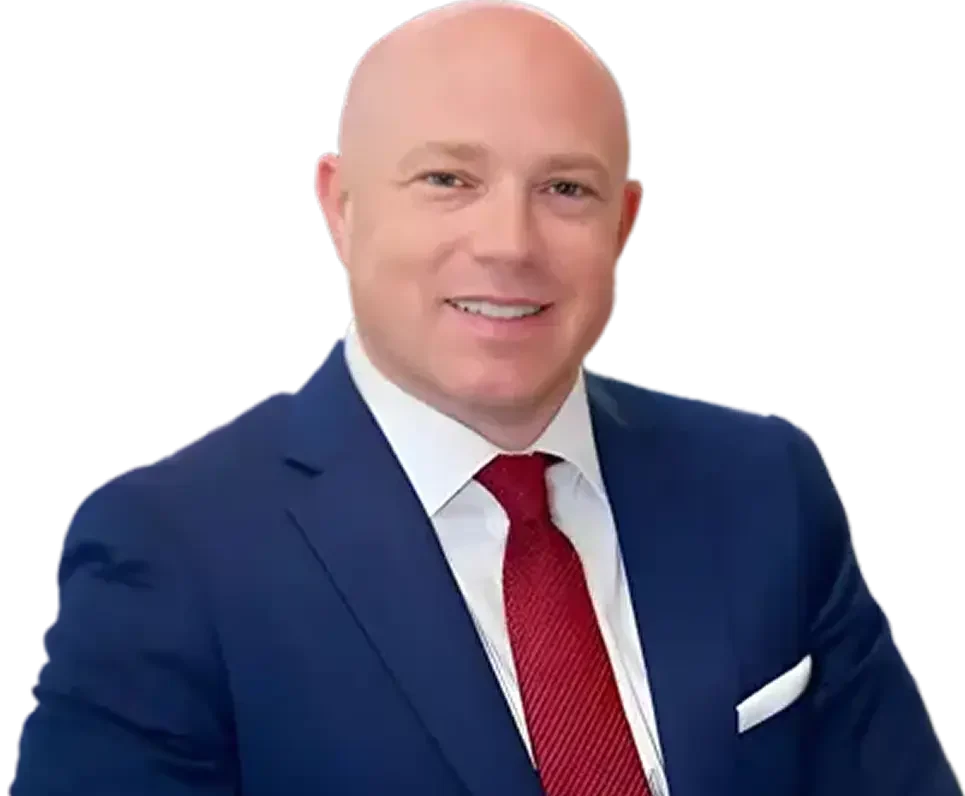
Today, we’re excited to welcome Mike Morse, founder of Michigan’s largest personal injury firm and author of Fireproof, to talk about the lessons he’s learned from three decades of practice and leadership. Mike has become a mentor and friend to us, and we’re looking forward to going inside his incredibly successful business.
Growing a law firm from 25 employees to more than 240 without losing your culture is something every business owner strives for, and Mike will share how hiring a business coach transformed his approach. Plus, learn why culture and core values are the foundation of retention, and how growth creates opportunities for every team member, not just leadership.
From culture and client advocacy to lessons about insurance companies and managing mistakes, Mike’s insight will clearly help attorneys but will also benefit leaders and entrepreneurs in all professions.
Here’s what we discuss in this episode:
0:00 – Meet Mike
2:17 – The Work Culture
5:19 – Growth for everyone
8:09 – What motivates him
15:09 – Insurance companies & litigation
20:02 – Accepting mistakes in the business
24:08 – Rapid fire questions
About the Mike Morse Law Firm
Get the Fireproof book
Injured? Begin the process here:
Scott Vicknair Injury Lawyers
Car Accident Lawyer
Truck Accident Lawyer
Motorcycle Accident Lawyer
Probate, Succession and Estate Legal Needs?
Visit Scott Law Group – Estate Counsel
Scott Vicknair, Injury Attorneys, we fight for the win. All right, good morning everybody and welcome to the Overruled podcast brought to you by the Scott Vicknair Law Firm. We have a really special guest today, a friend of mine who I just met as a mentor, because I wrote his book, or read his book, didn’t write his book. And he wrote an incredible book called Fireproof. And he became a mentor and coach of mine, and now he’s become a friend, Michael Morse. An incredible Michigan attorney. Mike, welcome to the Overruled podcast. Thank you so much for being with us.
Happy to be here. Really happy to be here. Thank you for inviting me.
Mike, why don’t you tell, because a lot of our listeners are going to be based in Louisiana, may not know much about you. Just tell everybody a little bit about you, about your law firm in Michigan.
Sure. First, I’m a, you know, dad of three girls. Went to school here in Detroit. For law school and started my practice 30 years ago this month. September 25th, 1995. I was fired from my first legal job at a small firm here in Detroit, worked there for about three years, learning personal injury work, how to work up a file. And, struck just hung a shingle. I had no idea what I was doing. Did that for about 12, 13 years without any help, without any coaching. Managed to build up to about 25, 26 people. And then I decided, this, I, I felt like I needed to do more. I felt like I had more in me. I wanted to help more people. And so I hired a business coach in 2007, named Gino Wickman. And he took me from those 25 employees to 240-ish employees now. We were doing, you know, 15 million a year in settlements. This year we’re going to do about 310 million in settlements. So a lot has changed over the last 18 or so years with the coach. And figuring out how to run my law firm like a business. We do truck and motorcycle and auto accidents mostly. Some dog bites and social security. But it’s a general single event practice. We’re in one DMA in Michigan. So we’re pretty, localized.
I think it’s amazing, Mike. The thing I really respect about your law firm, is not necessarily just the numbers or the size, but the culture. And the way you think about your team members and that you’ve built a place where they’re really happy to work. And so not to kiss your butt or anything like that, but I do think it’s one of the better law firms in the country, irrespective of size. Just because of that simple fact. So can you talk a little bit maybe about how the culture and the way you value your team has impacted or affected the growth of your business?
Yeah, David, I’m flying to Vegas right now to give a speech. One of the slides that my team helped prepare for me was my org chart. And they told me that I have 58 employees that have been with me over 10 years. I would have not known that number. That’s one of the numbers I wouldn’t have known. And I’m very proud of that number. And you’re talking about culture, and I think it’s because of the culture that people don’t leave. I’m sure that they could go places that’ll pay them a little bit more money. But, you know, when we set those core values, 18 years ago, the job was to, to pick the six or so core values that makes us great. Now, we had 25 people, we knew we were good, we knew we were kind of great. But we really spent several hours coming up with those six core values. And we were taught that we’re going to train, not train, we’re going to hire, fire, retain and recognize and reward people based upon those core values.
I keep throwing in the word retain. Retain is not one of them. Retain is a byproduct of my due those things. Right. And so I heard that loud and clear. And you’re a guy who hears me say something, and you’re going to implement it today, before you get back to the office. And that’s, that’s it. I mean, I think that we try to hire people with our core values, if they don’t have them, we let them go. We try really hard not to let, you know, the bad people stay. We’ve definitely let people stay too long. And every time you let them go or you manage them out, it’s the best feeling because you just knew you had a B or C or D player at your firm, and it’s just not acceptable. Yeah. If you want a good culture and you want longevity, and you want retention, you can’t let those C and D players stick around because the A players are mad. They’re like, why are they letting, why are we, why am I having to deal with this guy who won’t do his work, doesn’t hold his end of the bargain, he’s not working as hard as we all are. It brings down the culture. Yeah. So we’re very focused on that and I think if you do those things, your culture will thrive and you’ll and everybody will stick around.
Yeah, I think, to one of the things that I, I really try to think about with growth, Mike, is especially I’ve seen it in the growth of your law firm. There’s many examples, right? Is growth isn’t just a benefit for the owner, the shareholders, whether there’s one, two, or ten or a hundred, right? That in your organization, for example, you’ve had many team members who came in as receptionists who are now executives in the law firm, earning more money than they could have ever dreamed of and having learned more and having more responsibility and been professionally developed further, more than they could have ever potentially thought of when they started working with you. So talk a little bit, if you could, about how the growth of your firm has not just helped you or helped the key people at the beginning, but what you’ve seen and enabled other people who have like shifted roles, done things that maybe they weren’t doing in the beginning and thought they weren’t gonna do. That growth has enabled them to elevate themselves professionally and personally.
So really good question. I’m not sure I’ve ever been asked that, David. It’s, you know, we, we, you know, if somebody has talent and they raise their hand and they show up, we definitely move people around the firm, all the time. Like, all the time. My first copy person is Jennifer Hurvela. Yeah. Who’s been with me for 20 years, and she’s worn every hat in the building. And she’s now on my lead executive team, training, running some very important departments, doing some Fireproof coaching. I mean, she’s a rock star. Jamie Rooney, hired her as a receptionist, 20 plus years ago. She’s now in charge of, I’m, she’s my customer liaison, client liaison. She makes sure everybody’s happy. She runs the swag room, she runs intake or helps run intake. She helps run my referral partners. We have lawyers who litigated for years and now they’re in a management position. I can go on and on and on. But I definitely am not stuck in whatever role they’re in. If they are showing talent in other areas, we will move them. We will put them in an area that benefits the firm, benefits them. It’s, it’s actually happens all the time, but it’s pretty fun to watch.
That’s amazing. And I, I ask that question because I don’t, I think of growth of a company and not just in the sense of what’s good for me or what’s good for the key people in the firm, the high up lawyers or the CEO, whoever it is. I think about it from the perspective of how does it lift all boats of all team members in the organization. Because they have their own goals, they have their own dreams and wishes for their careers. And without growth, they can’t really go anywhere. They’re kind of stuck in one little corner. And I think sometimes, we get so focused, right? On like different aspects of a business and things that we’re trying to do that we don’t think enough about like the growth journeys of the team members in our individual organizations. What motivates you now, Mike? Because you’ve got, you know, this huge law firm, 250 employees. You’ve kind of scaled the wall, done the things. What, what is keeping you, what is pushing you to keep going, at this stage of your career?
I asked myself that too, a lot. You know, for me, my favorite thing. I once did an exercise. I was reading a book and I actually did the exercise in the book. And it said, what, what’s true happiness for you? And for me, I wrote down, waking up every day and being able to do whatever I want. Whether it be try a case, work on intake, coach, mentor, travel, not work, play golf, go visit my daughters. So, at this stage of my life, I, I, you know, I’m not bored. Yeah. I’m moving around a lot. I love teaching and mentoring and giving back. I think that is a calling for me. I love doing it. I love seeing guys like you, take advice that I think is, of course, easy, right? I’ve been doing it, it’s easy. It’s like riding a bike. But for you, you’re a younger attorney, you’re just hearing this and you like implement it and then your numbers go like this. That motivates me. That motivates me. You know, getting on these stages and having 15 people come up to me afterwards, saying, that was amazing, I learned so much, I can’t wait to take it back to my practice. Making lawyers happier, making this profession more fun, meeting the people along the way and having fun with them and laughing. That’s, that’s what motivates me. All those things.
Amazing. And I think, one thing that I wanted people to know about you, even though you’ve got this huge firm now, and you’ve got all these employees, a lot of people will see people who are, law firms that advertise, whether it be on TV, radio, billboard, whatever it is. And, and it is true in many cases that the head attorney of the firm is not necessarily, still practicing actively. But you, over the last couple of years, you have really been involved in some of your firm’s highest profile and biggest trial cases and achieved some really record verdicts, one of them being a $75 million single wrongful death case in Michigan. And so I think it speaks to your ability to stop managing the firm, pick up the old lawyer tablet, right? And get right back into the courtroom and use the skills that you’ve always had from the beginning of when you started the firm. And so, you may not get access to a lot anymore, but I really want to get away from management for a second. And I ask you, what are one or two of the three biggest lessons you’ve learned about jury trials and trial practice and all the trials that you’ve tried throughout your career?
And, and I forgot to say that like what motivates me, being able to try a case. So a year ago, August, I tried a case, a wrongful death case, that meant something to me. And I allowed myself to immerse myself with that family and have the feelings and feel their loss and understand the case. I hired a coach to coach me through it and helped me practice my voir dire and, helped me with my opening and closing and all the things that I had to do. Because I don’t have my ego is in check and I know what I need help with. So I think preparation is key. I remember law school, whatever, everybody’s like, three most important things, preparation, preparation, preparation. And I think, you know, we do a good job at our firm doing that.
Not being afraid. I, you know, I go to seminars all the time and I listen to other great lawyers give openings and closings and do voir dire. I did that. I sat there and I listened and I’m like, oh, I love that line. Oh, I love that line. I love that. I’m gonna do this and that. Practicing how you ask for a hundred million dollars. Not easy. I had never done it before. That was my first time. How do I, you know, getting comfortable with the analogies. Trying to figure out how to motivate a jury to give a massive amount of money for somebody who’s already passed. Asking them that on voir dire. And being vulnerable and saying, look, there are certain people who think the person has already passed, what good is the money gonna do? The family doesn’t need the money, the family, this or that, the person’s dead. Why, why, why should I award $100 million for that person? And try to say, are you that person?
I know people like that. Are you that person? Right. Who hears that person? And then if they say something, then I engage with them. And I have, you know, some comebacks. I said, well, what if we, what if we don’t award anything? What if you’re right and we don’t award anything? Is that justice? And they’re like, no, that’s not justice. I said, the only way to mark justice is by giving a full justice award. Something like that. So, practicing and playing and, you know, I didn’t write any of these concepts, but I took them, made them my own. Got comfortable. And I am comfortable in front of people. I am comfortable, you know, you ask me for advice on trials, right? If you’re not comfortable doing it, find somebody who is. I wouldn’t, I don’t let my lawyers go do it unless they raise their hand, they’re really comfortable, they go to seminars, they practice. Right. They work their butts off. Right. So I don’t know if that’s three pieces, but that’s what I have.
Well, I think the, the piece that you said is probably the most important one is preparation. I think we, with our own insecurities as lawyers, our own, our mind runs, right? And we see these lawyers who have successful results and trial. We just assume that they have or we’re prone to assume they have these talents, which are so different than any one of us who are trial lawyers. But at the end of the day, preparation beats talent every single time. And I think it’s instructive to younger lawyers, to any lawyer listening to this, that like you’ve kind of achieved pretty much whatever everything you set out to achieve in your life at this stage of your life last year. And you’re still sitting there with coaches and preparing your trial presentation and doing everything you need to make sure that you have success when you step in front of the jury. And it results in a $75 million verdict. So it, to me, it’s an easy test case and why preparation is so important.
And I’m always talking to the lawyers about it. It’s like, don’t think that, you know, we have this one lawyer at the firm who’s so great at litigation or me, that I’m so much better. I’ve just been working my butt off preparing for every single case. And that’s what’s gonna help you really succeed in the courtroom. And so I just, it’s funny you said it, because I think it’s the most important thing of being a trial lawyer is presentation, preparation. Mike, what is one of the biggest lessons you’ve learned about insurance companies in your practice?
I know that’s a very broad question. And you may not want to, I mean, many of them don’t listen to this podcast. So, if you’re worried about sharing, they’re probably not listening. Well, you can’t trust them. Yeah. We, we to this day, they lie about policy limits. They, they bring up a policy, a month before trial. This happens monthly at my firm. Yeah. We have thousands of cases. But, they, you can’t trust them. Yeah. Right. And, and so, a lot of lawyers in the beginning will try to settle cases for a long time. And they string you along. And I made a decision 25 more years ago that I’m going to be a litigation heavy firm. I, every case that I file suit on, I get way more money for my clients. I’m not taking the easy way out. I’m not just settling it cheap. I’m litigating it. So I have 60 lawyers litigating auto truck, motorcycle accidents every day. Because I don’t trust the insurance companies to do the right thing and pay the right amount of money. Yeah. Or even honest about policy limits.
Yeah. So, talk a little bit about, so the size of your firm and the point you just made. You have a really big firm and I vehemently disagreed with a LinkedIn post that you made like five months ago and kind of got into it with you, not like vehemently, but, I got the point you were driving, but like, your firm is not a settlement mill. You have a very big firm. And let’s be honest, like 98% of our everybody’s cases are going to settle. Either at some stage in litigation or right before or during trial. Right. Not every case is going to go to verdict. But your case is not, your firm, no matter how big it is, we all know these firms around the country that are settlement mills in this industry. You’re not a mill. You do everything possible to maximize the value for each individual client’s case. That’s one of the things I think reasons I think your firm is so strong. So talk a little bit about that, if you may, and the challenges that being your size is to do that. Number one, but then second, I, I don’t think people, I don’t want clients or people to think like, just because your firm’s big, they’re not going to have a great result with you. Because you have a lot of great trial lawyers. So talk a little bit about that, if you could.
Yeah, and that was a fun post because, I love the pushback. I love the engagement. And you, you’ve made some really smart comments. And I, you know, I was just trying to be a little controversial, which, you know, you got to, you gotta be these days if you want people to read your stuff. 100%. We are just, we’re a. I mean, I’m doing $310 million in settlements this year. My average case is a hundred or so, thousand, right? A hundred, whatever. That’s a lot of cases. Yeah. And it’s, it’s, it’s, it’s definitely a treadmill of some sort, right?
I mean, I, I mean, it’s a lot of cases. So that’s what I meant. We’re just, you know, you’re doing a lot of the same things, but every case is different, every case is unique. I know that. We maximize the value on every single case. My clients, my reputation here in Detroit, I get a thousand calls a week with new cases. I wouldn’t get that if we were some settlement mills settling cheap. And yes, we do know those five firms. Sadly, clients don’t know. And they’re calling those firms. They’re settling cases for $20, 30 grand, where I’d get them 150. But they don’t know it. And I don’t know how to, I have a slogan right now and I’ve been running it for about a year. Who you hire matters. Is it sinking in? I don’t know. I just signed, I just had a referral from a lawyer in another state, who I like and respect a lot. Who a Detroiter, went on a blog, hired them. And another state. And then referred it back to me. That person didn’t listen to my ads. But it, it, it, so people are going to do what they’re going to do. And we have lots of controls at our firm. We monitor everything. We don’t micromanage, but we monitor. And we worry about capacity. So you know, David, you’ve heard me talk about this. We are very cognizant that people don’t have too many cases. Yeah. There are certain firms, people lawyers are handling two, 300 files. I know a firm in Texas. There are lawyers who are responsible for 500 files. They’re coming to Detroit next week to talk about it, because it’s fascinating. They have 14 people under that lawyer, handling these files.
Fascinating model. But anyway, we make sure that the capacity is right. And the clients can get the right care and attention. And that every file is worked up perfectly. We maximize the value of every case. And, you know, life, life is good for the clients and for my staff. And everybody wins. How have you learned, Mike, to accept mistakes in your business? I read something the other day in one of the books I was reading. I’m shuffling through 12 books at any given time. And, the comment was essentially that one of the hardest things to do is to be, what I’ve kind of read you to be, similar to me, a controlled, type, type A person, and own a business. Because you have to learn to let go. And then the mistakes happen. What are some of the tricks that you’ve used or the mental practices you’ve gone through to accept the mistakes and the hiccups in your business as you’ve grown along the years?
Yeah, nobody likes mistakes. Yeah. I don’t like making mistakes. I don’t like it when my team members make mistakes. But, you know, some of my biggest growth has been from mistakes and challenges. So that’s it. And, you know, take a, a tin of out of stoicism. What are you going to learn from this, right? What’s the perspective from this mistake? How do we make sure it doesn’t happen again? What new procedure, rule, process do we need to put in place so this, if it’s a big mistake, doesn’t happen again. Why did this happen? Yeah. I asked those questions. I get answers. I fix it if I can. But I can’t, my team knows I can’t have the same mistake twice. And so, and we’ve had the same mistake twice. And I want to hurl somebody at that point.
I mean, I’m not, what am I going to lie to you and say it doesn’t bother me? But, you know, you don’t want the same mistake twice. And it happens. I’m laughing because it’s like, I feel the same way. I’m like, if it happens twice, I just want to hurl myself off the fucking building. Like, come on, people. Like, let’s get it in check. Like, it’s one thing. Yeah. And I’m on the seventh floor, because that would hurt. I’m on the twelfth. I know. It’s not great, but human beings aren’t perfect. Hmm. One reason I’m excited about certain things that AI can do, that, take away the human element on certain tasks. Right. And, it’s, it’s a problem. But you got to, let me listen. I, I meditate every morning. So I can deal with the mistakes and I can deal with the problems that are going to come my way, you know? They’re when I used to be fully in the weeds, I always felt like I was in a simulation of an Asteroids game. You remember that game, David? You might be too young. You remember Asteroids? No. It was a, it was a, it was a, I’m aging myself. It was a video arcade game. And you’re in the middle, shooting all these asteroids that are coming at you. And as you hit them, they turn smaller and they get faster. And it was one of my favorite games growing up. And sometimes the practice of law is like that. And, and they’re trying to kill you. Right. If an asteroid hits you, you’re dead. Yeah. So that’s what it feels like sometimes. But I can practice meditation. I try to practice doses, on my, my, my, I, I try to know. I know how to put things in perspective.
About how big of a problem is this. And I also know, you know, look, every law firm is going to get a grievance here and there. Every law firm is going to get sued once in a while. But if you’ve, if you’ve done, if you’ve lived through it, you have some good muscle memory and you know, this is going to be okay. This too shall pass. If I had a tattoo, another tattoo would be right here. This too shall pass. And that has helped me get through a lot of the mistakes, David. A lot of the problems that you think are going to bring your firm down, that you think somebody’s going to quit, you think you’re going to get in trouble. Doesn’t happen. Yeah. And I think it’s just, you know, it’s tough. Anybody who cares as much as you do, as a lot of the lawyers around the country that we’ve become friends with and know do, about getting the best result for every client. It just drives them crazy when the mistakes happen. But, you know, the team members have to feel safe in the organization and learn from mistakes to be able to grow. So, great tips there. I want to wrap this up, Mike, with a few questions.
First, I want to run through some quick Detroit ones, if you’re ready. Number one, Detroit Lions season. All right? We’re coming up on football season, getting ready this weekend. Are they going to be over under 11 wins? Over under 11 wins, Detroit Lions. Under. Under. Okay. All right. Detroit pizza. I think I think they’re going to be dead. Dead at seven. All right. Pizza, let’s talk about Detroit pizza. Detroit pizza is better than New York pizza, true or false? True. All right, we’re going to get some New Yorkers pissed off on that one. And then last, now we’re going to pit Detroit against New Orleans. New Orleans food is better than Detroit food, true or false? Probably true. I was wondering if you were going to…
But that one. I mean Detroit, we’re doing better. We got some good places but New Orleans, I love New Orleans, you know that special place. Been down there for a couple of Super Bowls and Final Fours and I haven’t been to Jazz Fest yet. I’m waiting for a nice invitation from you to come down for Jazz Fest. Could be coming this year. Could be coming this year. Funny story, I was really thinking this morning, I was like, I wonder if Mike’s going to be honest about the food comparison or be a homer. So, I think even highly of you and more now Mike, that you were on. You know, I’m a truthful guy, dude. I, you know, and like New York City pizza. I have two daughters who live in New York, but I did some pizza reviews as you know, as you have emulated some things. Detroit pizza is really special. It’s the deep dish. It’s got the sauce on top of the cheese and it’s crispy and golden brown on the edges and it really is a special thing. It’s way more filling and fattening than New York pizza, I think because New York pizza is thin. But I think Detroit pizza definitely has something unique and special. He’s selling it. Okay, pizza review coming up next week when I’m in Detroit.
All right, last two questions, Mike. I’m really interested in what you’re going to say to both of these. First, what’s your favorite book? Any genre? Besides Fireproof? Talk about being a homer. It’s so funny, David. I don’t, I mean, my favorite book. Wow. I read, you know, I read ten books a month. I know you, I know you read a lot. I’m flipping them through. You know, the one that stands out to me, David. The truth. The first thing that came to me was Good to Great. Because I really learned how to emulate a, a, they call it a level five leader. And when I read it 20 years ago, I don’t think I was one yet. I think I had the attributes and the characteristics deep in me. And that book helped pull it out and I think that’s one reason that I’m a pretty good leader at my firm to put all of those things, to make a great company. To put all those things towards making a great company.
So I’m gonna go with, I’m gonna go with that. That’s a great choice. I’m actually, finishing Built to Last right now. The, the next one they wrote after Good to Great. It’s just such an incredible book. Okay. Last question. Mike, what is your superpower? That one thing, you know, every human’s unique, we’re all different. Life would be freaking boring if we were all the same. But what is that one thing about you that you think has really is a unique characteristic or trait that you have that’s helped you achieve the level of success in business and in law and now in coaching, coaching a lot of law firms and like ours and other law firms around the country? What is that one unique trait you think that is your superpower? I think, I mean, I think my, my visionary powers are pretty, pretty significant. But I’m a great problem solver. Like, I, and I can see with the vision and problem solving, you call me David with any question and within minutes, we’re gonna have a pretty good solution in place. And I’ve lived my whole life like that. That kind of like I see, I have peripheral vision and I just kind of just know what’s going to work, whether it be in sales or marketing or fixing a problem or helping somebody run a business. I, I just, I have a, a spidey sense on those things and in how to read a room, and how to read a person, and how to read a jury. All encompassing that I’m, I’m, I’m pretty darn good at that. Kind of survived, came from my survival mechanisms that I had to employ when my parents got divorced in 12 and bad shit started happening.
I had to just, I had to be ready, solve a lot of problems, bounce back up, the resiliency, the fireproofness, right? I think that’s all, I think that’s all my secret sauce. Amazing. Amazing. Well, Mike, thank you so much for being here. Thank you for being you. Thank you for that dent you’re kind of making on the world in a positive way in the legal industry, coaching a lot of incredible law firms around the country to do things the right way, to grow their businesses that can impact clients in a positive fashion. I think we’re all just lucky that somebody like you is so invested in coaching and giving back to other firms across the country. Ours, you know, David Holt, Rich Godshall, Chris Keller, all these amazing lawyers across the country. I’m just thinking of a few of my head who are building really wonderful firms because of the mentorship and the guidance that you’re giving our different organizations. And all of our teams are better for it. So just thank you for that. Where if anybody’s interested in Fireproof and your coaching organization, that can be found basically on every social media. Just like your law firm.
If anybody’s got a personal injury case in Michigan, 855 Mike Wins. You’re everywhere, right? It’s hard not to find you. Well, listen, I’d love your listeners to follow me on LinkedIn. Search for Mike Morse, 855 Mike Wins is my handle on Instagram and, Facebook. Fireproof Performance.com is our, is our website for the coaching and the masterminds, which are growing and we’re looking for filling out our masterminds and if anybody’s out there listening wants to join people like David and me in a room of ten law firms sharing and collaborating and what’s working and what’s not working. I’m having so much fun with the masterminds as you know, we had a ride in Park City. We, we, we’re just it’s just, to me that’s really fun and it’s everything right now. So I’d love to meet people and email me, message me on LinkedIn. I respond to everything. Amazing. Well, thanks for being here, Mike. Have a safe trip and thanks to you, all of our listeners. This has been another incredible episode of the Overruled podcast, brought to you by the Scott Vicknair Law Firm. Thanks for listening and we’ll see you next time. Scott Vicknair injury attorneys, we fight for the win. Information is for illustrative purposes only and does not constitute tax, investment, or legal advice. Always consult with a qualified investment, legal, or tax professional before taking any action.
Let's Get Started on Your Case
NO FEES Unless We Win!
Insights and Updates from Our Legal Team