OPERATION FUR-EVER HOME PET ADOPTION EVENT NOV. 14th @ LAFRENIERE PARK



Jul 2024 | Overruled with Scott Vicknair
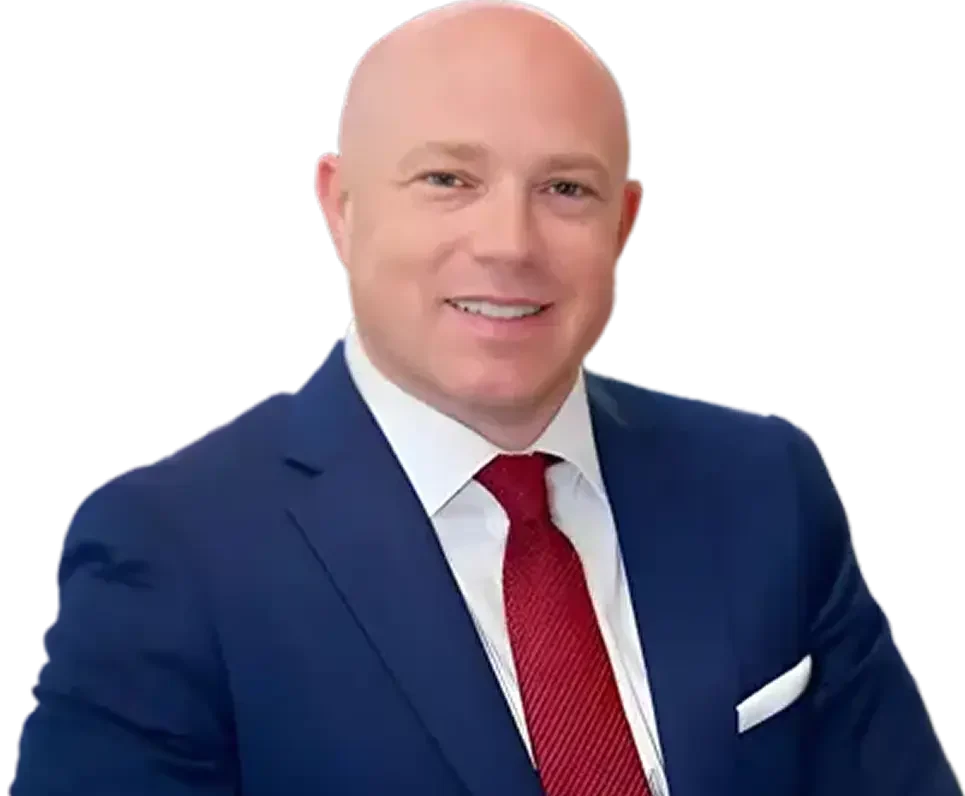
On our last show, we introduced you to one member of Scott Vicknair. Today we’re going to turn the spotlight on Brad Scott, co-owner and one of the leading estate attorneys in Louisiana.
David will serve as our interviewer to find out more about Brad’s background in law and hear stories like his eye-opening day trading experience. From his humble beginnings in Lafourche Parish to his education in corporate finance, and ultimately, his decision to pursue law, Brad shares insights into his career, personal growth, and the importance of estate planning.
Tune in to hear about the challenges and triumphs that have shaped Brad’s career, as well as his passion for helping families navigate complex legal matters.
Here’s what we discuss in this episode:
0:00 – Intro
1:59 – Brad’s background
7:19 – Day trading
10:03 – Law school at LSU
12:05 – Post law school
15:08 – Building his estate practice
23:10 – Memorable case
27:08 – Hobbies
28:44 – Future goals
29:27 – Books
32:30 – Estate planning advice
Good morning everybody and welcome to the Overruled podcast brought to you by the Scott Vicknair Law firm. I am David Vicknair, along with my co-host Brad Scott. Good morning Brad. Good morning, how are you doing today David? I’m doing well, no complaints. We’re getting ready to go into the July 4th holiday. But the humidity has definitely set in. We’re in the hot weather. Beach, beach. Storm heading into the Gulf? Yeah, storm barrel is and not going to, I don’t have any wood around me, but allegedly barrel is going to stay west because of this heat ridge, so hoping that it does not hit. When’s the last time a meteorologist got it right? At this far out, though? I do have a joke about meteorologists, but it’s escaping me right now, so I can’t, say it. And I don’t think it was appropriate to say on the air to begin with.
But back to our main topic for the day is today, we are talking about you Brad, because I should have saw this coming. The last time that we shot, you sprung on me before the show that this was going to be all about David Vicknair, which made me very uncomfortable to talk about myself. And so I am relishing that I get to spend 30 or 40 minutes introducing you to our audience base, to our clients, our former clients, and everybody out there who wants to learn about you and your journey to becoming a co-owner of the law firm. I’m a managing partner of one of the biggest estate practices in Louisiana. This is going to be the least popular episode.
Yeah, you’re going to be surprised, more people will be interested to hear what you have to say or not say. But truly, you have taught me so much from the standpoint of marketing, a business mindset, and helped me throughout the last nine years that we’ve been practicing together. And it has been that long since June of 2015. And been such a key piece in my personal development and growth, both as a lawyer, as a lawyer, and an owner, with you. And so I’m excited for everybody to get to know you a little bit. And I know some of these things about you, but I also want our guest to know. But tell our guest a little bit about where you grew up, where you’re from, your education and what took, where what your journey was like before you started law school. Well, it’s kind of why we linked up. We have a kind of a similar background. We’re both born in the Bayou in Lafourche Parish, essentially. That’s where I was born and raised. Went to a little elementary school called Bayou Blue. Bayou Blue. In in Lafourche Parish. We’ve talked about that down the Bayou and not the Bayou, this is in the middle of the Bayou, basically. But is that what you consider it? I consider it the middle. Okay. You North Lafourche people? Was technically Terrebonne and Lafourche Bayou people don’t believe that the Bayou and Terrebonne is actually a Bayou, so that’s a whole different conversation. Let’s be honest with you. But I grew up kind of an interesting childhood. My grandfather or my great-grandparents had property, a lot of real estate, and they divided it up for their family and kind of gave one to each of the kids. And then my grandfather did the same thing for his kids. My mom was one of six, I think or seven. So I grew up in a neighborhood surrounded by my aunts, my uncles, my grandparents, my great-grandparents, all my cousins. So like everybody in the neighborhood, I was related to. So I think like credit that to the fact that I couldn’t get away with anything. Because it was like living with 10, 15 moms and dads, always looking over, what are you doing? So it kind of kept me on the straight and narrow path growing up and kind of kept me out of trouble. You know, college, I didn’t move away. I stayed at home. I was a commuter student, going to Nicholls. Both of our, all my alma mater. I got a degree in corporate finance there, which kind of, kinda put me on the business path, I think, back then. And you know, from there I finished undergrad and took a few years after that and ran a couple small businesses. And then one day got bored and decided, for some reason, which I can’t remember, that law school was probably a good idea. And I remember my dad saying, you know, why do you want to do that? You know, why do you want to be a damn lawyer? And I kinda agreed with him. But it was kind of one of those things that, you know, it was either that or getting an MBA and it sounded like a good idea at the time. And it’s kind of how I ended up in law school for the most part. With no intention of being a lawyer. Now, 20 plus years later, here we are. I’m still doing this stuff with a lot less hair. Did you have any lawyers in your family growing up, Brad? Or are you the first? First lawyer. I think I may have had like maybe one or two people that even went to college before me. So, yeah, it was a big step in my family’s history. As the first person to kind of go to a professional accreditation type of schooling or something like that. So I didn’t really have any role models growing up that were lawyers, didn’t know any lawyers. It was completely foreign to me what lawyers even did, because we never had any use for them. I’m sure anybody has a use for lawyers, but, that’s a different story. So yes, it was a new endeavor, you know, that no one was really there to kind of guide me through. And you mentioned, you did corporate finance, at Nicholls. Can you maybe explain a little bit about, do you think that particular major helped you in development to become a lawyer, or hurt you? Like, what’s your perspective on that? I think as becoming a lawyer, I don’t know if it necessarily helped me become a lawyer. It teaches critical thinking skills, things of that nature. But I think what the background did was made me a better lawyer to run a business. Because the business side of running things and the actual practice are completely two different things.
But having that economics background, accounting, and finance and knowing those types of things, I think that’s translated well into what we do, because, you know, as you and I have spoken before, I do more of, we’re more running a business than we are practicing law at this point. For sure. So I do draw back from those experiences and those things I learned at Nicholls. And had a great education at Nicholls. It’s a phenomenal business school that they have. They’re called the Harvard on the Bayou, as you may know. I do know. And yeah, it set a good foundation for being a business person and running a business. We are Harvard on the Bayou, and I believe as a side note for our listeners, that the actual Harvard actually sent us a cease and desist letter at some point, telling us that we could no longer print the Harvard on the Bayou t-shirts when I was in school there. So you can sell the merch, but then Harvard got all mad about it. So in the playback of this podcast, if that part’s bleeped out, that’s exactly why. We don’t want to be infringing on any copyright. You know, we’ll talk about that some more, and we have a guest coming up who’s a law professor at, professor of law at Nicholls, Eugene Goth, and maybe we’ll get into that. It’ll be a very interesting episode. It will be. So, talk to me a little bit about your family and the role of your family into you becoming a lawyer and developing as a lawyer. How integral was that? How important is that to you this day? Well, like I said, I grew up in a neighborhood just surrounded by family. So family was always very important. You know, we saw our grandparents on a, on a weekly basis.
My grandfather had retired and, you know, he had taken another career as a bus driver. So he was the one that picked us up in the morning and dropped us off in the afternoon. So we always were surrounded by family. And, you know, being like that, we always saw each generation taking care of the generation before. So we developed a really strong sense of helping people and being there to take care of people. And I think that translates into practicing law. I mean, we’re here to solve problems and help people with problems. So, I think that kind of, that family setting really translates well to the things that we need to be able to do to be an effective lawyer. And, you know, really being there for people, because people don’t call us with happy problems. We talk about that all the time. So when usually when we’re picking up the phone, somebody’s having a really bad day. And just being able to empathize with them and, you know, try to guide them to a solution, I think that upbringing really helped that a lot. You mentioned some side businesses. So, as I, I know some of these stories, I’m going to try to goad some of them out of you. But, did you have any interesting stories or funny anecdotes or learning lessons from some of those side businesses, maybe like day trading or active trading while you were in law school, you want to share with the listeners? Learned lots of lessons. I actually, well, that story is why I became a lawyer. We’re going to hear that one then. As long as you explain what happened with that story. So like I said, I got a corporate finance degree. I’m looking to get a graduate degree, not planning on being a lawyer or ever practicing law. So, first semester, the two semesters in law school, I was kind of just there going through the motions, let’s say. I was still day trading, had written my own trading software. I was doing very well with it, but that was kind of my focus, not law school. And there was a particular day, and I remember very clearly. So you were doing the, what do you, what do they call them, the meme stocks and all you were doing all that before? That was way before that. Before that was even a thing. This is 24, 25 years ago. But basically this when day trading first started, you know, at that point in time, I mean, literally, you had people in taxi cabs that were day trading during the day while they were driving their taxi cabs. But, you know, I took some with called leverage positions.
That’s where you, you know, you can kind of, it’s a diplomatic way of saying. Thinking very risky. Well, not that the underlying investment was risky, but you could control a lot more money with a little bit of money. So they’ll allow you to bet $10 and you have $100 on the line, basically. The way of putting it. So I had a very highly leveraged position that was sitting overnight. I went to class that day. And all of a sudden, the Federal Reserve chairman at the time was Alan Greenspan. Some people may remember him. But he did something that was unprecedented, had never happened before. So the Federal Reserve controls interest rates for the most part, or sets the Fed funds rate. And they have these bank meetings once every couple of months or quarterly, and that’s when they adjust interest rates. Well, he came out in the middle of an inter, wasn’t out of a bank meeting, just in the middle of the day, and they adjusted interest rates and the market like just went nuts. And if you bet a dollar, you get 10 back. Well, it works the opposite direction also. So if you lose a dollar, it goes down a dollar, you lose $10. So the trading capital that I had at risk, got pretty cleaned out in about three hours. And at that point in time, realized maybe day trading’s not for me. Maybe I need to go back to class and pay attention and maybe have to make this law thing work. So, if not for that, we may not be sitting here today. And I think you, you had some, you, I’m just laughing because I love that story. I’ve never forgotten that story because you told it to me when I was, I think in law school, and that just, it’s a good story. Yeah, it’s, it’s, we can, we plan our lives and we have these master plans, but it’s really the random things that have the biggest impact on our lives and end up make us end up where we’re at. What was law school like for you? Did you enjoy it? It was one of those things. It’s kind of, I went to LSU. This is I started back in 99. So it was 99, and then this three years after that. It was a interesting thing. For people who have not gone to law school, you know, you go to high school, and you go to college, then you go to graduate school. And it’s kind of a filtering process. As you go up in your education, you’re surrounded by more and more people who are higher achievers, type A personalities. So going to law school at LSU was kind of the first time I was in a room full of people who were very similar to me, you know, type A personalities, overachievers who, you know, really try to do things. And it was the first time in my education where I really had to start actually studying and doing the work, as opposed to just paying attention in class and drawing pictures in my notebook. And kind of, and I’ve always was a straight A student, but, you know, it was a little bit more of a challenge. You know, it’s one test at the end of the semester. I think in LSU at the time, they try to make you fail the first year, just to kind of humble you a little bit, to get your ego out of the way, which actually worked pretty well for the most part. But it was a, it was a quick three years. It was a blur. But yeah, learned a lot at LSU. I loved the professors I had there. I really credit them for the attorney I became, because they really made me learn evidence. They made me learn procedure. And I think that’s where a lot of people who go to law school, and they may get away with not learning those things, and it really hampers them in the development as a lawyer later on. You have to have those fundamentals in place.
You had some really good relationships, right? Some friends that you made in law school, some of them like Blaze and Zena and Donnie O’Pray, who I’ve had the luxury of getting to know. Really, I’d say luxury getting to know Donnie, not you Blaze. Just kidding, I love Blaze. But great lawyer, both of them are two really good lawyers and Lafayette and good people, wonderful people that you made friends with in law school. Stayed in contact to this day. And yeah, I still have, you know, long lasting relationships with people we saw, you know, we met in law school, so. So yeah, yeah, it’s, when you go through battles together, and through wars, they say you develop a camaraderie with people and, you know, that’s what happens with law school, I think. Right. All right, so after law school, take us from what happens from the standpoint of, you finish law school, and then you get out in the working to, succession law extraordinair, Brad Scott, today. I wouldn’t say that. But yeah. But yeah. Yeah, I went to work for a law firm where we both have a common basis at, you know, Favret Demmers & Russo, and luckily at the time. And I was fortunate to work with, you know, Ret Favret, who’ve talked about before, was a mentor of mine, and I worked with Tom Lukko as well. So I had a good mix of doing commercial work, you know, banking work, some personal injury law, and a little bit of everything. But the most important thing was is, you know, Tom and Ret both weren’t not afraid to let me just try things and go after things and figure things out on my own. So, you know, a lot of times people come into law school and they go work for a firm and they don’t really see any real action for the first four or five years. I think I tried my first jury trial with Ret, like six or seven months after I got my, I got out of law school. So, you know, you hit the ground running. So I think that accelerated the learning curve dramatically, which put me a little further ahead than my contemporaries at the time. So, you know, I got a lot of experience there working with them. You know, following Katrina, you know, that was a big debacle as far as New Orleans and everything else. But I was still working with them. And, and at some point, you know, decided it was a, it was time to part ways and kind of open my own firm. You know, it all started with the origins of what we have now, started with me and one paralegal in one office, basically. And kind of grew it from there. But a lot of what kind of I’ve always been business minded and liked the business aspect of it. So it’s just, you know, grew it slowly over time, kind of to where we’re at. As far as the succession part of the practice, Mr. Marshall Favret, who is, Ret’s uncle, and Favret Demmers & Russo, luckily was like, was it third generation at the time, I think. Three or four generations of Favrets. He was kind of at the end of his career at that point in time, he was doing a little succession work, but he’s the one that taught me successions. That’s where I first started learning about it and started working on it. And it kind of gave rise to everything we have now. So I credit Mr. Marshall with a lot of that. Now, did you just know because you did get a wide range of, of legal experience, right? At Favret Dimmers, you were doing banking for some of the big banking legal work for some of the biggest banks in the country.
You were doing some corporate litigation and representation and general business stuff, some personal injury. Had you, did you just know what you liked and didn’t like? What did you like and not like? At the time, I really liked doing the banking litigation and stuff like that. But it kind of, I was always drawn to helping out families because of my upbringing and being around families. So I really enjoyed the estate and the probate work type of stuff. So, it’s something I kind of just naturally gravitated towards, I believe. And kind of just, it ended up being my biggest practice area, you know, over time. And, you know, I started realizing the more you specialize in an area, and can kind of hold yourself out at that, the more that work you attract, essentially. So, you know, as they say, there’s only two definite things in life, taxes and death. So, my practice focused on the death side of it. And it’s been, you know, very good for, you know, for my development as a lawyer, just focusing on that area. And so you went out, when did you go out on your own when you left Favret Dimmers, Brad? I’m really bad at chronologies. That would have been around maybe 15 or 16, or somewhere in there, I believe. I don’t know. You probably remember better than I do. Yeah, I definitely came and started practicing with you in June of 2015. So it had to have been since before that then. Yeah. Hasn’t been that long. Yeah. Jeez. Probably, I mean, nine years for me this June. And then for you, maybe nine and a half or 10. When did the Saints win the Super Bowl? 2009. So it was like three years after that, I think. That’s 12. Wow. You were three years before I came over there? I think so. Interesting. Okay. If my chronology correctly. I don’t know if it was that long, but we don’t have time to argue on the air about it. So, without going back and finding a reference, I’m not going to know. So, looking at today, what our listeners may not understand is there’s not a ton of lawyers in Louisiana. In fact, I don’t think there’s anybody in Louisiana who has a robust and a big specialized practice solely in estate, meaning successions, wills, estate planning type of work, is you. So, take us back from, like, how you leave Favret Dimmers with basically no clients to building, like, what, where does it, what starts that emphasis to building one of the biggest estate practices in the state of Louisiana today? It’s not something I ever set out to do. You know, obviously. It’s just we’ve grown over time by the phone just continuing to ring, doing good work for people, getting referrals. I think at, you know, at one point we calculated, I think over 30, 40% of our work now comes from people that know us already. But I think very simply, we just did really good work. It’s something we, you know, like I said, we specialized in. And then we got to be known for that. Most of the people out there, like you said, do practice succession law. It’s usually not the size firm that we have. You know, a lot of times it’s somebody who does it as part of an overall practice, but they do a little domestic work, do a little personal injury work, they do a little bit of everything. They kind of do that. There’s a couple people that do successions and kind of stay with that. But we’re the only ones of our size, I believe, that do this much work. We’re handling anywhere, I think we’re north of 400 estates per year, right now. Which is huge. Yeah, I mean, it’s a lot of work. But it’s just grown over time. You know, a lot of that I attribute to just, you know, looking at it, the practice as more of a business as opposed to just a law firm. And just incrementally, you know, they always say if you’re not growing, you’re dying. Right. We’re always looking for ways to grow the business, to reach more people, to, you know, not only reach more new people, but to stay in contact with, which we try to do with the existing clients that we have. And, you know, we’ve become part of their family after we work with them and they refer more people too. So I think over time, it’s just grown naturally. It’s nothing I set out to do. It’s just because we’re doing the little things that people keep coming back to us, keep referring people to us. And the net just gets bigger and bigger, the people who are working with us. Yeah, and we, and you and I always talk about, right? Like, it’s easy to get intoxicated by going to get that new client, but the referral clients are always the, the best, typically the best cases, the ones that we want to have that relationship built with over time. So tell me some, what is your mindset on the service that y’all provide to our estate clients, to really maximize their trust, and their, you know, commitment to you and your team’s work, to feel comfortable referring because referrals are the highest compliment somebody can give us, right?
Well, one, you gotta do good work. So you gotta be knowledgeable of your subject matter. And, you know, the attorneys who work with me, my practice group, they’re very, very, very good at what they do. We’re constantly researching these topics, you know, we litigate them all, so we feel like we, we really know this area of the law. The other thing too is that, you know, we put the clients first. I know you do the same thing in your part of the practice, but, you know, I have these conversations with people all the time. My job is to find the quickest, most cost effective way to do something. People, you know, they can be cheap, let’s say it’s frugal. But I don’t like to see people waste their money. You know, we just had a client, you know, a couple weeks ago, they called us for a succession situation. They paid us a retainer, and then we got into it, I said, yeah, there’s an easy way they can do this without even needing us. So we, you know, we’re happy to give them their money back and, you know, go try this, if it doesn’t work, come back too. So it just, putting the clients first, you know, we don’t put the dollar first, we put the clients first, and we try to do what’s right by the client. One of our core values on our side of the group is that we do the right thing even when no one’s looking. Yeah. That means with the clients, that means with the court, it means with the opposing attorney. That’s very important for us. Yeah. And that’s what drives a lot of what we do. And I think people see that, we come around, you know, we come off as genuine, because we are being genuine with people and we’re dealing with them. And I think they, they see us as a trusted advisor, and they really know that we’re not after their money, we’re after helping them. Yeah. The thing I love about that story you just told, is not only is it like incredible service, right? Because it’s hospitality more than what one of our clients would expect, that we would do the right thing and give them their money back and not try to charge them. We could have done a succession for him, but he didn’t need it. 100%. But then what else, I mean, how committed do you feel? I’m sure you have similar feelings with me, is like, you’re diminishing the profession.
If, if their experience with a lawyer, because I mean, what percentage of your clients are first time lawyer, client, like, first time they’ve had to hire a lawyer? High percentage. High percentage. And, you know, like everyone else, they have an image of what lawyers are, whether it’s from commercials or from TV shows and stuff like that. But not our commercials. Our commercials are pretty good. There we go. But, you know, a lot of people have this image of lawyers as being greedy people, who are always cutting corners and stuff like that. So, you know, I hope after working with us, they have a different view of lawyers, or at least hold the lawyers they’re going to work with in the future to a higher standard. Because it really should be that way. And as you and I know, you know, the bottom 10% give a bad name for everybody else. So there’s, I mean, there’s lots of really good people that do what we do, you know, in our profession. But you don’t hear the stories about people doing good things, you always hear the stories about people doing bad things. You know, one of my pet peeves, anytime you see a TV show, a news story or something where a lawyer has done something. You know, it could be somebody got involved with, you know, a drinking and driving accident, but the headline’s not Man gets an accident, lawyer gets an accident. They always highlight that he’s a lawyer. So, we get a bad rap, you know, whether it’s justified or not. And I’d like to think we were trying our best to change that perception when people work with us. I’ll I’d like to too. I think, some of it’s probably earned, right? The bad rap.
There’s some bad, bad seeds out there. I had somebody tell me the other day, which was a good thing. I think, I don’t know if we talked about this. It’s like sometimes we forget as attorneys and counts, we’re at law, we leave out the council. Like, sometimes it’s okay to give somebody like what you did, give them guidance, but not charge them anything, give them their money back. Like help people when they need advice. Majority of my week is giving away free advice. Because I still do, the majority of the client lead consultations when people first contact the office, because I want to talk to them and see what’s going on, see if I can diagnose their problems, see if there’s something we can help them with, but, you know, people, in those conversations all the time, a lot of times I’m recommending, you don’t need this, or you don’t need that. And they’re like, well, how do we compensate you? Like, there is no charge for that. You know, if I, if you needed me, I’ll charge you, but you don’t. As it relates to your everyday to day practice now, what’s your favorite? What is your favorite thing to do at work? Like, what gets you out of bed in the morning that you’re excited about in the practice? Well, the practice or the business. The business side of it, I really enjoyed the marketing of it. You know, Sandra’s with us today, she’s on the other side of the camera. She’s my marketing person. If I could just have her job and do her job all day long. I would like it. But she has it right now and she does a great job with it. But I, I like the challenge of how to, you know, cut through all the noise out there and trying to get our message to people so they can find us. I just enjoy, enjoy that a lot. And you and I go to conferences and things like that, but the, the creating of the business, creating the systems, I’m one of those people, I love to see mistakes, because a mistake means, hey, we can fix something, make something better, make the machine go faster. And the more mistakes we make, and the quicker we make them, the better we get, and, you know, the quicker we get at it. So, I like working on the machine. I’m a tinkerer by nature, you know, like doing woodworking and stuff like that. So I like the building part. What is? Do you have one or two? You have one case that really just sticks out in your mind, that is a case that really shaped your knowledge of law or practice? I have one case that, you know, I always tell the story, tell the clients. And it’s, it’s more of a cautionary tale, you know, a lot of the advice we give is through telling lessons that we’ve learned from other cases. But there was a particular case when I was a very young lawyer when I used to work with Mr. Favret, Mr. Marshall Favret. There was this family, and you Orleans family, like I mentioned in names, obviously. And they had fought over everything for years before I got involved in the case as a young lawyer. And there was businesses, real estate, they dealt with all those things. For the last year, the litigation. This is a brother and sister fighting with each other. They’re literally fighting over the stuffed mom’s house, the China, the, the furniture. And this is not really nice stuff, but they will fight over it. They probably each spent another $100,000 on attorney’s fees. And the part of the story I always tell people was, at the end of the day, one of the siblings was awarded the China that mom had. The other sibling had it out of state. And, that sibling had to ship it over to the person that we represented. So he gets a box of the stuff from his sister. He goes to open the box, all the China’s supposed to be in there. He opens it out, every single piece of China is individually wrapped and bubble wrap, and pristine condition. He then takes it upon himself to tell his wife to get the video camera. He walks into the backyard, in the patio, has her follow him out with the video camera, then takes each piece of China and individually drops them and shatters them on the ground, just so he can send the video to his sister to say I won. And, that kind of frames it that, you know, I don’t want to be representing people like that, if that’s all they’re after. But the things that people will do to each other, when it comes to probate and.
I know. And you know, when we’re dealing with people in litigation in the state matters, these are the people they grew up with. These are the people they sat across the table from at Christmas dinner. They know each other. So it gets a lot more heated in those situations. Sometimes it’s not about the stuff, it’s just about winning. And, I don’t like to be part of that sometimes.
It makes me think of that, there’s a Seinfeld episode, that’s a corollary. When Kramer, takes a girl’s bike from Elaine. And Newman ends up having to be the one who brokers the dispute about who should be entitled to this young girl’s bike. And Kramer’s riding this like little girl’s bike around New York City in the episode. And, Newman the edicts that they’re going to split the bike in half, and Elaine says, sure, fine, but Kramer objects and says, just give it to Elaine because I don’t, I don’t want it to be ruined. I want somebody to have the bike. And Newman says, ah, you are the true owner. So I feel like the sister should have gotten the dishes because she was the one who wanted them.
End of the day, she wanted them. But, but it’s amazing. I mean, we see all the time, you know, people are very close-knit families while the, the mother or the father, the grandparents are alive. But, you know, once that older generation goes away, the gloves come off. And, I mean, the stories that I would hear sometimes, I used to be shocked by. I’m not shocked by them anymore because I’ve heard them a hundred times. You know, we repeatedly get cases where people say, like, you know, grandma passed away, we have a cousin, we haven’t seen in 20 years, didn’t come to the funeral. We were all at the funeral, got home, to go to grandma’s house to have a celebration of her life, and, there’s nothing left in the house. And we find out that he showed up after 20 years with a U-Haul and emptied the house out. And it’s like, people will do those things. When you see a lot of it, and I mean, the volume that you have of all these estate cases, I mean, you’re going to see more and more of it. And we see the same things repeated over and over. So, you know, and we always tell people, you know, that’s the value of good estate planning, is to prevent those type of fights and problems that you’re going to have with the family. And always remind people, you know, bad estate planning is worse than no estate planning. So, if you’re going to do it, make sure you get it done right.
So tell us a little bit about your hobbies, Brad. I know for starters, I mean, that your daughters, all three of them are very important pieces and parts of your life along with Liz. But tell us about your hobbies, what you like about to do with your daughters. Let’s talk about that.
Well, I really enjoy, like I mentioned, woodworking. That’s one of my favorite things. My therapy is making sawdust. And all my daughters that, you know, at various points, you know, they’ve at least tried to get them hooked on sawdust. It hasn’t worked out that well. Avery, the young one, she likes it now, but she uses up all the tape in the garage to tape the wood together. But, it’s something that I take from my dad. My dad was a contractor and carpenter. My grandfather was as well. So I always grew up around those things and, you know, creating things. And so I really enjoy that. Right now, I’m working on two nightstands for Liz. It’s taking a little longer than she probably wanted them to take. When did you start? I think we’re going on about a month and a half now. No, that’s not that long. Not that long. I would have said four. I told her it was gonna take two days. So, but I really enjoy, you know, woodwork and it’s one of the things that I take a lot of pleasure in. She’s fast. Did she draft the specs on the nightstands? She gave me a print out, or she gave me the paper, the print out from, Restoration Hardware, or some place that she wanted them. And of course, when I saw the price tag on it, I said, I’ll just make them. I can build those. So I don’t think she’s gonna be commissioning any more furniture through me. But at least it was worth a shot. When you hit, when you said Restoration Hardware, a chill went down my spine. It’s like, repulsing how expensive it probably was. Sorry. To the ownership of Restoration Hardware. I’ve recreated it, as best I can. So we’re getting close. The only thing we got to do now is decide on a stain color, which is, a little difficult for my wife.
Well, tell us a little bit about your goals for the future of the practice and what you’re looking forward to.
Well, one of the, recent developments, which I may have shared with you, you know, my oldest daughter Beck, after many years of trying to figure out what she wants to do. She’s an undergrad right now. She’s actually, leaning into maybe going to law school. So, well, that’s great. Now I have to stick around a little longer, wait for you to get out of law school and mentor you. But, no. That’s kind of what I’m looking forward to. I think, you know, continually growing the practice and reaching out, reaching more people and helping them through these estate messes that they find them in, selves into. You know, we also like putting a lot of content out, just to educate people and help them with things. But just continually to help people and maybe one day growing some hair back and not having to deal with all the messes that we deal with.
What is the last book that you read that you really enjoyed? And then the second piece of the book question I have for you is, what is your favorite book?
Well, let’s start with, maybe my favorite book. Probably the one that’s had the most influence on my life and, you know, things I’ve been able to accomplish. A real big fan. I’ve talked about it before, even on our, our newsletters and in the, in the podcast, it’s The Seven Habits of Highly Effective People. Stephen Covey. Stephen, it’s very, it’s one of the best books ever written about how to get things done. And, and one of the lessons there is putting first things first. And I’m a big pro, advocate of telling people when I coach people and try to help people is, you know, you have to be, proactive, not reactive. And I think most people in the world are just reacting to everything around them. They don’t really have any definitive plan. And they don’t really, you know, if it, if it’s, if it’s important to you, you have to find a way to get it done, and that means planning for it. You know, I’m a big advocate of a calendar. I think a calendar is probably the most, biggest success tool you can possibly have. Most people only put their appointments in their calendar, but, you know, if you want to accomplish something, you’ve got to schedule time for yourself to work on those things. Your calendar drives everything. So, if you look at somebody’s calendar, you can tell what their priorities are. But I think, that, that particular habit of putting first things first, that was a mindset for me, that I learned a long time ago by reading that book. And it really forced me, if I want to grow a practice, if I want to do this or want to accomplish that, I have to find time, and finding time means actually blocking out time, making an appointment with myself and protecting that time to work on those things. So if you want to improve a relationship or time with your kids, you have to block out your time. So that was a really important book, I think in my development. And, you know, mindset. Another book that I really loved was The 4-Hour Workweek by Tim Ferris. I read that one a long time ago, and the big lesson from there was, which was kind of an aha moment for me, was he talks about this concept of a deferred life. So most people go through life where we just, we work, show up every day, do the same thing with the promise that someday, you know, we will retire, someday we will take it easy, you know, someday we will sell everything we have now and move to the beach or whatever. But that someday is always 20, 30, 40 years away for a lot of people. And unfortunately, a lot of people never make it there. Or you make it there, and then your health is so poor that you can’t, you can’t enjoy it at that point in time. And that’s what he refers, he refers Tim refers to that as the deferred life, you know, we’re deferring until later to actually enjoy life. So the big lesson and concept I got from that book a long time ago was, you really have to enjoy the journey and you have to set up your life to where you can actually do things now. Don’t bank on that thing at the end of the day. And try to set your life up and your business and your career in such a way that you get to enjoy life now.
Two great books. Any that you’ve read recently?
I read books constantly. But most of my books are, you know, business oriented books, self-help books. I did finally read The Power of Moments, which I know it’s a big book that you, that you enjoy. From a customer service. That’s probably one of the more recent books that I’ve read that I really got a lot out of and really enjoyed. It wasn’t a great. It’s a great book. Told you to read it.
What is a one, enclosing one piece of advice you’d give to somebody who’s listening to the show, Brad? About, the importance of estate planning, and really thinking about planning for purposes of, well, we all don’t want to think about that we’re going to all be dead. Nobody likes to contemplate their own mortality. We’re all going to die. It’s going to happen at some point. I would tell people, it’s, it’s one of those things, it’s easy to keep putting off. And too often we see that where people put it off, where, you know, they think it’s something I’ll get to later. You don’t know what’s gonna happen tomorrow. And, you know, I really struggle with convincing younger people, you know, younger parents with young kids, that they need estate planning because everybody thinks, this is for old people with, you know, with lots of money. No, that’s not what we do. We’re trying to create a very organized way in which things can be handled if something was to happen to you. You know, part of estate plans is also doing, like powers of attorney and things like that. So if you become incapacitated, that somebody could take care of things for you in that situation. It’s probably more important to do estate planning when you have kids, young kids, then when you’re older. You know, the common situation we see all the time is, you know, something happens to the parents, these kids who are minor children inherit things. And when they turn 18, they’re getting the keys to the castle. And too often you see them wasting through assets, not wanting to go to college, not wanting to get a job because there was no structure put in place for these kids. So I’m always a big advocate, get your estate planning done, get it done early, especially if you have small children because you want to have some kind of structure for them if you’re not there, or things to be taken care of for them. So you’re really kind of protecting them from themselves.
Gotcha. Well, this has been fascinating. I’ve enjoyed, making you uncomfortable and. Thank you very much. And it goes without saying, Brad, obviously is, one of my mentors and the main reason that I’m here today. And so thankful to you for everything you’ve done for me and the firm. You’re just an incredible person, lawyer, and leader. And there’s nobody in this state who knows more about state, estate and succession law, without a question, then you. I don’t think I could say that, but you being kind. I know it. And we have, and like you said, there’s a ton of lawyers who dabble in it. They mess with succession here and there while they have a mixed practice. And I get it, you know, they’re trying to build a practice and get clients. They don’t want to let a case and a, and a client walk out the door. But it is complicated and it’s not something that somebody can just pick up and know how to really do it properly. It’s like everything in life. You learn by doing. And the more you do something, the more you know about it.
Well, thank you, Brad, for allowing us to peel back the onion on you. This has been a great discussion and a great episode. And as always, thank you to all of our listeners who have followed us along on the Overruled podcast with Scott Vicknair. We’re just chugging along. We have some great guests coming up this summer and the fall for all of you. And as always, thank you so much for listening. And we’ll hear from you next time. This has been the Overruled podcast, brought to you by the Scott Vicknair Law Firm. See you all next time. Y’all take care.
Scott Vicknair, injury attorneys, we fight for the win.
Let's Get Started on Your Case
NO FEES Unless We Win!
Insights and Updates from Our Legal Team