JOIN US FOR FREE 4HR OVERRULED CLE NOVEMBER 5th @ LOEWS HOTEL
Absolutely NO FEE Unless We Win!




Feb 2024 | Overruled with Scott Vicknair
We’re out of the courtroom and into the recording studio for the first Scott Vicknair podcast, and we’re excited for the journey ahead. For this first episode, we wanted to take some time to tell you about our goals for the show and even sound off on a couple hot topics that have caught our attention. The primary goal for the show is to share lessons in business, law and leadership with hosts Brad Scott and David Vicknair.
We want this to be an outlet for clients, perspective clients, and friends of the firm to learn more about our team and what we’re focused on. From episode to episode, the podcast will discuss what we’re doing here at the firm while also providing commentary on hot topics and legal issues that are happening. We also want to bring on other members of the community who we have connected with through our business and share the impact they’re making.
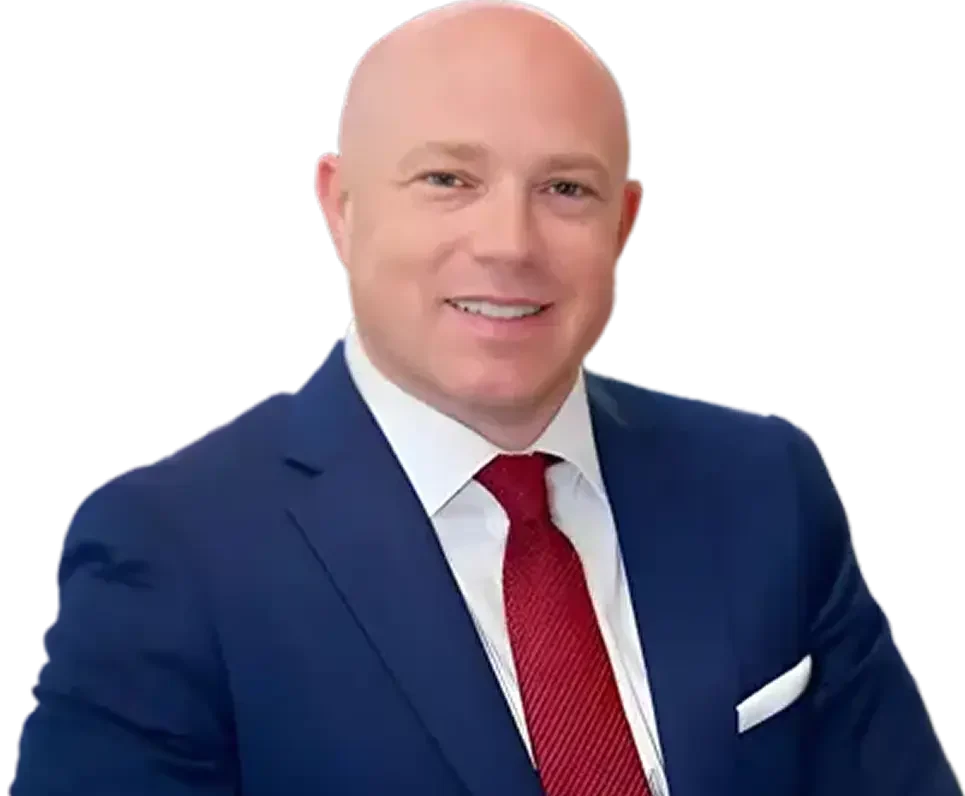
Alright, welcome everybody. This is, David Vicknair, and I’m here with my law partner Brad Scott, and this is our first episode of the Overruled podcast. It’s Overruled with Scott Vicknair. A little bit about what we hope to accomplish with this podcast, and we’ll be bringing our listeners a couple times a month. Yeah, the theme of the podcast is gonna be lessons in business, law, and in leadership. And with Brad and I, or at least what I’m hoping to accomplish, and Brad will share his goals, and, what he hopes to do with the show, is to, on a bi-weekly basis, kind of with our clients, prospective clients, and friends of the firm, be able to talk to them about what we’re doing here at the firm, but also kind of like give some commentary on hot topics going on, both from a professional and personal growth standpoint. Share some of our experiences with the law, and in business, and what we have going on the firm, but more importantly, and I think what I’m more excited about than anything, is bring some guests on from our professional experience and connections who, are making, a dent in the world, change, making some changes in the world, and small but beneficial ways, and in our local community, and in society at large. Who we already have relationships with, people who own construction companies, who are real estate developers, different businesses, but also, of course, bringing to our guests some commentary and life lessons, from judges and lawyers, and, and people who we have connections to that can kind of help our listeners and our client base and people who are thinking about hiring us, or curious about what law firms do, learn a little bit about what we do, and what the people connected to us do.
Look, this is something exciting. We’ve been trying to get this done for quite a while now and finally it’s coming to fruition. And these are the conversations that we have at lunch all the time. And these are the people we have lunch conversations with. These are people out there doing things, accomplishing things, having success. And it really just to kind of share those conversations that we get to have every day with these people, and how they get things done and how they’ve gotten to where they’ve gotten. Where the tricks, where the hacks, what are the secrets? You know, what are the little things they do every day to get where they’ve been. Yeah. And you know, you and I talk about it all the time. It’s from our perspective, and managing the firm and as the firm grows and we add employees and we expand into new practice areas and in different locations geographically. We’re in these organizations and connected to different professionals who, kind of talk about professional growth, the keys to that growth, talk about how to expand and learn new things, and you and I are always talking about that and taking notes and, and connecting with those same key individuals. Some of them may listen to this podcast at some point, hopefully some will be guests. But, you know, this show is kind of an opportunity I think for us to kind of share that with our listener base, and really just talk to interesting people who, I think really from our perspective, me at least, I think you probably agree, I think we’re gonna learn a lot from doing this show. Yeah, absolutely. Like Jim Rohn, the motivational speaker says, you’re the average of the five people you hang around with the most. And this is a way of like bringing in more people and kind of integrating them into your system and getting access to them. Other people that you probably wouldn’t meet or see otherwise, that we get to sit down and talk and pick their brains with. Absolutely. So it really helps everybody, just to, you know, move forward and get better at what they’re doing. Absolutely. I’m really excited about it.
As a general format, I think that most of the shows, we’re gonna kind of share each of our hot topics of the of the week, which isn’t necessarily going to be law related. It can be something related to business or personal development. But that each of us will be researching and kind of sharing like this is our one hot topic of the week before we bring our, our guests on for that week and kind of have a good in-depth and intellectual discussion with each guest. And I think that as a part of that process, besides us learning, our guests are gonna learn a lot too. And we’re gonna have some fun. Absolutely. Hopefully. Annu, so that’s our goals for the show. And I know that, we’re excited to do it. Like you said, we’ve been working on getting this launch for a minute now. And, I’m just gonna jump into, our first hot topic of the week. And mine is kind of complicated, but kind of simple at the same time. Mine is, LeBron James breaking, the scoring record. You know, I’m not, I don’t want to jump into the, MJ, LeBron controversy. Because that’s not the point of this topic. I’m not, I guess I only say that to say I’m not a huge LeBron fan from the standpoint that I think it’s undisputed that Michael Jordan’s the greatest NBA basketball player of all time. But aside from that, I respect LeBron because of how much he’s accomplished. It’s a milestone. 100%. In 20, some odd 20 some odd years in the NBA, and people I think take for granted how difficult what he’s done is. It’s not accidental that somebody makes that type of record and breaks that kind of record. They put a lot of work into it. That’s right. I have seen a lot of commentary that this was what was expected of him, just because he was a phenom coming out of high school, but I think that’s really not true. I think you could go through professional sports, and not just sports, any type of thing where you see these phenoms who come out and are supposed to be so good at something, and there’s a lot of bust in there. And there is no question that LeBron has performed at a high level for 20 some years now. And I think in reading a lot of his commentary, and other people’s commentary about his accomplishment, and breaking the all-time NBA scoring record from Kareem Abdul-Jabbar. He really talked about focusing on like, or people have talked about how he has focused on being so good at this for so long. The necessary discipline and hard work that it takes over a sustained period of time to accomplish a goal like this. And there’s a difference between talent and hard work. Talent will only get you so far.
And in this situation, he was gifted with a lot of talent coming out of high school, but if they don’t follow that up with hard work, doing the things every day that other people don’t want to do, showing up for early practices and things of that nature, that talent’s only gonna take you so far. So he’s a good example of somebody who put in the hours and put in the time and put in the repetitions, and the success follows it. Yeah, and you know, I thought it was interesting, if you look at what Kareem Abdul-Jabbar said, and he was quoted in this Daily Mail piece, he said that he’s very glad that his role was finished, which I found to be interesting. But he said, you know, LeBron worked real hard for it, he deserves it. He’s spent his entire adult life as a premier athlete and done an excellent job at it. And he also mentioned, you know, people forget the amount of money that LeBron contributed to, sending an entire community to receive a college education. And I think some people would say, well, that’s easy for him because he has a lot of money, but, you know, he can do whatever he wants with his money. He’s chosen to reinvest it and, and kids’ education. I think that’s something for him to really be applauded about. Absolutely. I mean, too often you see these people who do have success, but they don’t give back and help enhance other people to reach where they have gotten to. And that’s, you know, that in itself is something I really look, I really admire him for, especially that story. Yeah, and the other thing with him Brad, that, was the real reason I kind of latched onto this story, if I’m gonna be honest, is another Daily Mail piece. It’s no secret, I guess, one of my close friends got me to read Shoe Dog, which is the story of Nike written by Phil Knight, who started Nike. And it quickly became a top five book of mine. I love it.
You know, I laugh thinking about it because it’s like if you didn’t know that the story about Nike was true, you would believe it was not an actual story. Yes. Or real life because it’s almost unbelievable that Nike came about the way it came about, and how Phil Knight navigated a million different things that would have stopped most ordinary people from achieving what he’s achieved by selling starting selling shoes out of the trunk of a car in Oregon. But this Daily Mail piece, and there was like a lot of stuff on social media about Phil Knight, because he obviously, signed LeBron to a seven-year deal back in 2003, when he was a high school phenom, with Nike, which, you know, you and I were chatting about it earlier, everybody now is like, oh, well, of course he signed LeBron to a deal with Nike. It’s obvious today, you’re looking back, but back then it was a big risk for him. A huge risk. A huge risk. Even at the time though, you know, obviously in 2003, at that point Nike was a substantial entity and they could afford to invest in athlete promotions. But, you know, they rolled the dice. You know? It’s basic risk reward tradeoff. Every, you know, lots of things in life are like that. Absolutely. So, and as a lot of pieces to this story about Phil Knight, which just like really got me intellectually interested in it, from a growth and, and societal standpoint. One of them being that like a bunch of the memes were that he was sitting courtside amongst all these people who all have their, you know, cell phones up and they’re like not even enjoying the moment. Not in the moment. Not in the moment, yeah. Not enjoying being there watching that they are like one of the 20,000 people who will be able to say that they were there when LeBron broke the NBA scoring record. And he’s just sitting back with his hands clasped and he’s just like, with a smirk on his face, taking it all in. Around a sea of people with their iPhones up. And to me, it was like, this guy’s really got it figured out on so many different levels. No crap that he started Nike, right? Yeah. I mean, he’s focused on really enjoying the moment, on in some ways, the moment of like his risk and investing in LeBron back in 2003 paying off. But really, and if you look at his commentary after, both he and LeBron kind of had, had made some comments in this Daily Mail piece about why he was there, and LeBron saying how happy he was he was there when they embraced afterwards. And so it wasn’t, I think for Phil Knight, just, a time to be excited about his investment paying off. More of, I think, I think and his, you know, as he explains, sometimes these athletes that he invests in become family. It’s a proud moment for him. It’s like a child watching them through that journey and seeing it go from his high school career to him breaking the all-time scoring record. Right. It’s quite a journey. For anybody. No doubt.
And so, I just thought that was neat, the angle of it that he’s not on his on a smartphone, but in some ways, from a business standpoint, I mean, I understand and relate to the risks that Phil Knight and Nike take when they invest in these athletes, before they’re even proven. You could go through a list of people that he invested in that were not sure bets, that were risk, and that have paid off for Nike. But that’s, you know, a part of business, like if you’re not willing to take educated guesses and, and risk to succeed, you know, like we always joke about, you can’t, you can’t have the success if you’re not willing to take the risk. Right. And I did find it interesting, some other athletes who have been long time Nike promoters, are certainly commenting on this. One being Maria Sharapova, who tweeted that, Phil Knight, no screen, no need, the only one taking in history. And I thought that was really kind of apropos. That a lot of the, a lot of the Nike athletes were like not even surprised. And I think that says something about Phil Knight, his business acumen, and part of his character. 100%. What it means to those people. And so, yeah, and from a business standpoint, not only seeing the risk pay off, but also see that like you can have fun while you’re doing this, right? You have to enjoy the process. And the ride. And the ride. You can’t just be focused on the end result. And develop a meaningful relationships, like he’s obviously developed with a lot of these athletes that the company has invested in. So, from my standpoint, my hot topic of the week, big point here, LeBron really put in the work, the sacrifice, the time that other people would be unwilling to put in, and achieved greatness. It’s no different than what Phil Knight did with Nike. You know, he did the things that nobody was willing to do. If I can’t say it enough, I have no financial interest in you buying Shoe Dog, but if you like to read and you’re interested about like improbable odds and business and growth and things like that, Shoe Dog is a must read. I think you gifted me that book. I did. It’s a must read to have other, suggestions for our listeners, but that’s a definite must read. And no different than LeBron for 20, 30 years when he was starting Nike, Phil Knight did things consistently over and over again, refused to say no when every door closed, found ways to navigate around those doors closing, and to get somewhere by consistently fighting to get to his goals. And so I think probably, I’m guessing here, but there’s a lot of each other that they see in each other and that kind of adds to the professional relationship that they have. Absolutely. Well, I enjoyed the Super Bowl last weekend. It was a great game.
The one thing I really enjoyed about it though, was the Kelsey brothers. First time in NFL history you have two brothers facing off against each other. The story with the mom for the week, she had her moment in the sun. Right. That was great. I was a little disappointed she didn’t get to flip the coin, she didn’t have to sit next to Roger Goodell for the game. Like I told you earlier, worst part. Worst part. Worst part of the week for her, I assume. Who would want to sit by Roger Goodell? I mean, anyone? But the, the thing I enjoyed watching the Kelsey brothers, and they also too have a podcast called New Heights, which I’d encourage people to check out. It’s a great podcast. They talk about a lot of different topics on there, but they were, there was an interview or a part where they were talking about the sibling rivalry they had as kids. And you know, two brothers close in age, extremely competitive. You know, when they were coming up, it was always who could outdo the other one. And the thing I thought about, you know, I have a brother as well and have a cousin who recently passed away, but growing up in that environment, having that competition around you, and how important competition is to success. You know, the kind of the, you know, the opposite sides of the coin of each other. You know, competition really makes us focus in on things, really motivates us. Without that competition, we get complacent a lot of times. Yeah. And a lot of people overlook the importance of competition and how healthy that is for business development and things of that nature. And, you know, tying it back into the Nike thing, you know, before LeBron, there was a Michael. Yeah. And, you know, Michael Jordan was one of the most uber competitive athletes out there. And there’s lots of documentaries and stories about him, how early he would get up and get to practice, you know, if the next best guy was practicing at 6 o’clock in the offseason, he was at 4 o’clock. You know, he’s always doing one more rep than the next guy to stay ahead of that next guy. And that’s kind of, you know, with the Kelsey brothers and the competition and seeing them both rise to success like that, and having that competitive environment, it, you know, it’s a key to success in business and anything else in your life, whether you’re competing against yourself, or other people, or other businesses. When that tiger is chasing you, you run faster. It’s just the way it works. So if you can kind of harness those kinds of things and keep those things in your environment, it really propel you past some of those kind of those cognitive blind spots we have where we limit ourselves a lot of times. Yeah. Yeah, and I actually had mentioned to you earlier, I thought as we were preparing for the show, I thought, I had flipped a video of the Kelsey brothers on their podcast talking about the mom over to you and some other close friends of mine on Instagram. And I saw it kind of like from a different angle, which was like, how complex that relationship is. Like, how rare is it for two brothers who clearly love each other, playing against each other in the Super Bowl. And then like, excited for the mom and the dad, your parents to have that experience. But then like, one of them’s completely excited, one of them’s completely devastated. But both empathizing and mourning, in the same, at the same time. In the same way.
The gumbo pot. Yes. And so watching them both cry in that scene, clip on their podcast talking about the mom. I actually saw a lot in Travis, who won the Super Bowl as tight end with the Chiefs, empathy for his brother and his tears, having no regard, you know, his brother kind of just disregarded his feelings about losing. And was more just excited for his parents. Even though he said it was tears of joy after he lost the Super Bowl. Right. It was a weird experience for him. Right. But it almost felt like, you may have taken it differently. I saw Travis having empathy for his brother, basically like, wow, he, he loves me so much that he’s like excited for me that I won, excited for our parents, even though he’s devastated that his team lost. Yes. But that was the third item on his list, as far as emotions and feelings, it seemed. Right. Which is crazy. Because I can’t even, these guys at that level, work so hard and the competition in the NFL is as is as stiff as it gets, right? And so to get to that point, and then also have that mixed of emotions amongst your parents, your brother, I can’t imagine it. It’s an interesting dynamic. Yeah. And moving forward with our podcast, as we get people in here, I’d like to talk to them about competition, and how, you know, either competitors in their market or what not, how that’s affected where they are today and driven them as far as their success. Yeah. And how that element has played into their lives. Yeah, and I mean, we know, I mean, we’re in a service, profession. So people can hire lawyers as they see fit. They can farm as they see fit. So if we’re not providing an excellent service experience and the top level legal services, then we’re, we’re losing. And candidly, I find, I know being involved in a lot of marketing meetings for you on the estate practice stuff and what we’re doing in our online advertising and things like that, which we’re not going to get into because we don’t want our competitors to know. And also the stuff that we’re doing in our injury practice and in our plans and development and that, that, you know, our competition makes us better. And, absolutely. Is making us re makes us review what we’re doing from a marketing perspective, what we’re spending money on and allocating resources to, to evolve with the market and the and the people that we’re competing against. Yeah, I mean, we have to compete in the business side of what we do. And then also, we put the tie on and go into the courtroom. We’re in an adversarial service business. We’re competing against the other side. And I don’t know about you, but I much prefer to go against other attorneys or really good attorneys. They make me up my game. And the competition in the courtroom makes us better lawyers. Yeah, and I don’t think a lot of people get that. It’s a common misconception about the practice, right? You and I talk about this all the time. Either we have to be treating our opposing council like dirt if we’re going to be good lawyers, and or we want to be going against the bad lawyer.
I mean, I kind of find generally speaking, well, I know for the first one that is untrue. I mean, typically, we’re going to achieve much better results for our clients, whether it’s in estate or an injury case, if we have a good relationship with our opposing council. It’s going to streamline issues, it’s going to foster trust in our professional working relationship on that case and get the case closer to resolution, either settlement or trial quicker. It’s gonna save time and money for the client. Absolutely. And that’s what’s always important is what’s in the best interest of the client. And on the second part, I know we joke about this one all the time is like, no, we don’t want an insanely bad lawyer on the other side because they don’t know what they’re doing and they’re going to overcomplicate things. Increase time and cost for the client. And so nine times out of 10, we love going against the best lawyers because number one, they keep us on our toes and make sure that we’re prepared. And number two, there’s going to be a better result for the client because they’re going to have two good lawyers who are steering a case towards resolution. You can streamline things a lot with a good lawyer on the other side where sometimes you go against these people who just to make everything an issue. And it’s just unnecessary. Yeah. And you spend a lot more time in court and motion practice and appeals and things of that nature and cases really drag out that way.
Yeah. Some of the, you know, the best lawyers I’ve had on the other opposite side of me, those cases move a lot quicker and we get through them a lot faster because we get down through the real issues are and we can kind of have real productive conversations. We both know the law is, and we can kind of cut to the chase in the case and get there quicker. Yeah. And I think some of it, I don’t know if that’s necessarily the case, but we have suspicions, right? Is that some of the times when we’re dealing with those types of attorneys, it’s just a law firm who’s got a bad business model. Yes. It’s like they have to overbill or paper the file and overwork it, which is not a good business model for the client. Absolutely not. And so, you know, we a lot of times we know, we know, we get a sense of when that’s happening because we’ve been doing this long enough to get a sense of when that’s happening. Clients don’t. And so a lot of times I know when we’re getting good lawyers on the files, who are trustworthy, who are professional and respectful, and we know them, like, you know, there’s a lot of them. And, and the office knows them and they’re like, we love working with them. We’re gonna move the client’s case forward and get it to resolution. This has been a great discussion. Good first show. I’m really excited, for Overruled. We got the first one done. Yeah. We have a question on the live stream here, what’s your favorite king cake? Favorite king cake? That’s a good one. You want to take it first? Go ahead, you first. No, you go first. I’ve been eating so many king cakes. It’s gonna be hard to, to answer. Unfortunately, a very partial to Randazzo’s out in Metairie. When we’re at the Lakeway office, you were with us at that time. We probably had 20 king cakes from there that one season. That’s my favorite cake. It’s the one I enjoy the most. Alright, I’m gonna just say it’s really hard to beat the, the gooey, snickerdoodle king cake from Cannata’s in Houma. I don’t think there’s any coincidence that it won the New Orleans King Cake Competition a couple years ago. That king cake fresh is really hard to beat from my standpoint. I’m, I’m not a Randazzo fan. Too much lemon for me, my taste. You’re from out of Bayou? Oh, yeah. But I really think that the Cannata’s king cake is probably my favorite. So Good choice. I’ve been, I’ve had a lot of king cakes. So in the last four weeks, so, I’ve had a range of, different ones to try. But, and anyways, the, the show is gonna be exciting. We’re gonna have a lot of great guests for our audience. A lot of cool things as this show grows and progresses.
So we’re excited for Overruled. Overruled with Scott Vicknair. This has been your host, David Vicknair and Brad Scott.
Thank you all for listening and we’re looking forward to bringing you along this journey. See you next time. Information is for illustrative purposes only and does not constitute tax, investment, or legal advice. Always consult with a qualified investment, legal, or tax professional before taking any action.
Let's Get Started on Your Case
NO FEES Unless We Win!
Insights and Updates from Our Legal Team