
Dealing with a Sudden Death or Loss
Home » Dealing with a Sudden Death or Loss
An unexpected death can make the world feel unrecognizable. Even small decisions can feel difficult while you’re still trying to absorb what happened.
There is no single right way to deal with a sudden death. The first days may be about getting through one hour at a time. Later, you may begin looking for ways to understand your grief, support the people around you, and begin to adjust to a life that has changed without warning.
The First 24 Hours After a Sudden Loss
As noted by the National Institute on Aging (NIA), losing a loved one affects everyone differently. You may cry, feel numb, become angry, or move through the day with surprising calm. Some people have trouble concentrating or remembering conversations. Others focus closely on practical tasks because they are not ready to face the emotional weight of their loss. None of these reactions are right or wrong. Grief does not follow a script.
If possible, call someone you trust and ask them to stay with you. They can listen during important conversations, take notes, make phone calls, or drive you if you need to leave. It is normal to forget to take care of your own needs, so try to remember to drink water and eat something simple if you can. You do not need to understand everything that has happened or make every decision right away. In the first day of a loss, focus on what cannot wait and let others help.

Immediate Steps to Take After Someone Passes Away
In the first few days, focus on what needs attention now and allow the rest to wait. Depending on where the death occurred, hospital staff, hospice providers, or first responders can explain what happens next. A funeral home can also guide you through the immediate arrangements.
The NIA suggests that some of the first tasks that need attention include:
- Notifying close family members and friends
- Contacting a funeral home
- Gathering important personal documents
- Making short-term arrangements for children or pets
- Securing the person’s home and belongings
Don’t try to handle everything on your own. Ask for help keeping notes or answering calls. Delegate specific tasks that don’t need your attention. When others offer to help, let them bring a meal, arrange transportation, or share updates with extended family. Taking things one decision at a time can make the next few days feel more manageable.

Understanding the Emotional Stages of Sudden Grief
Grief is often described as a series of stages, but emotions rarely arrive in a predictable order. After an unexpected death, you may move between disbelief, anger, guilt, fear, and deep sadness. You may feel numb one day and overwhelmed the next. Some people even experience moments of relief, laughter, or calm, only to feel guilty for feeling anything other than sorrow. These reactions can exist side by side, and none of them measures how much you loved the person who died.
Grief can also return when you least expect it. A familiar smell or an ordinary habit may bring back emotions that seemed to have eased. As the American Psychological Association notes, this doesn’t mean you’re moving backward. There’s no correct sequence to follow or a deadline for reaching acceptance.
Supporting Children, Family Members, and Friends Through Loss
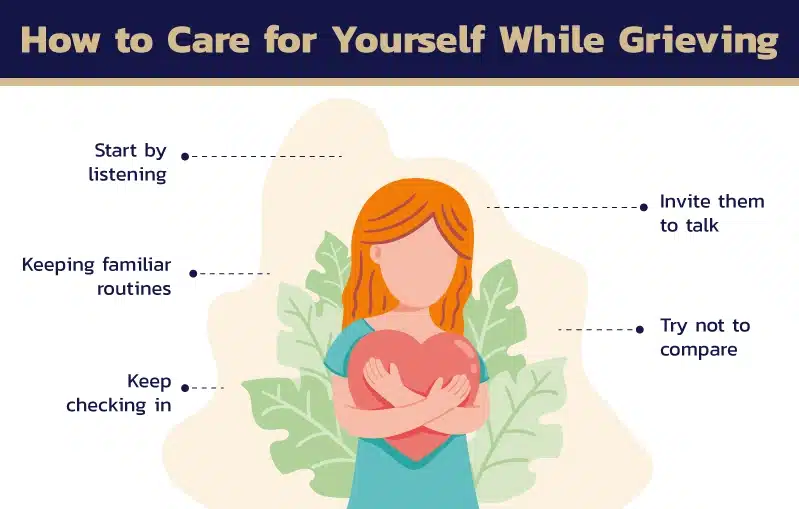
You don’t need to find the perfect words or make someone’s grief feel better. Start by listening and following their lead. Some people want to talk about what happened. Others find comfort in quiet company. Try not to compare their response to anyone else’s or suggest that they should be feeling differently by now.
Children need honest explanations using words they can understand. The National Alliance for Children’s Grief (NACG) recommends avoiding phrases such as “went to sleep,” which may leave them confused or frightened. A child may ask the same question several times or move quickly between sadness and play. This is one way children process difficult information. Keeping familiar routines can help them feel secure while they adjust to the loss.
Support still matters after the first calls and visits have slowed down. Keep checking in, invite them to talk about their loved one, and offer practical help without pressuring them to accept
Common Challenges Families Face After an Unexpected Death
An unexpected death leaves families managing responsibilities that don’t stop simply because they’re grieving. Bills are still due, children need care, and employers need to be told about the loss. If you need time away from work, ask about bereavement leave or alternative scheduling options. Make a short list of immediate financial obligations so less urgent matters don’t compete for your attention.
Family members often have different ideas about funeral arrangements, belongings, or other important decisions. Choose one person to share updates and keep important information in one place. If disagreements arise, remember that grief affects how people communicate and respond to stress. Decisions that can wait don’t have to be made during the most painful days. Let others help where they can, and take each responsibility as it comes.

When a Sudden Death Raises Legal Questions
When a loved one dies suddenly, families often replay the circumstances and wonder whether someone could have prevented it. Many losses result from illness or other leading causes of death, and not every unexpected death raises a legal issue. Louisiana law allows certain family members to bring a wrongful death action when a person dies because of someone else’s fault.
Legal questions often arise after motor vehicle crashes, unsafe property conditions, defective products, workplace accidents, or suspected medical negligence. At first, the family might not know what went wrong or whether someone had a legal responsibility to prevent it. A New Orleans wrongful death lawyer can review the circumstances and explain how Louisiana law applies. Speaking with an attorney does not mean you’re obligated to file a claim.
Helpful Resources for Individuals and Families Coping With Loss
The right support depends on what you need right now:
A grief counselor can give you a private place to work through difficult emotions
Support groups offer connection with people who have experienced a similar loss
Local hospices, hospitals, faith communities, and community mental health centers may provide bereavement programs or referrals
The NIA offers educational materials for adults coping with loss. Families supporting children or teens can turn to the NACG or use the Dougy Center’s searchable directory to find grief programs in their area.
You don’t have to wait until grief feels unmanageable to ask for professional help. However, if you feel unsafe or fear you could hurt yourself, treat it as an emergency and seek immediate crisis assistance through the National 988 Lifeline.
Finding Hope While Moving Forward
Grief often becomes less constant with time, but it doesn’t have to disappear for life to hold meaning again. Honoring your loved one can become part of your healing. You might continue a tradition that mattered to them or speak about them freely when memories surface. You can miss someone deeply while still laughing, making plans, and finding reasons to look ahead. Recovery looks different for everyone, and no one else’s timeline can tell you where you should be.
FAQ’s
How Do I Know if What I’m Feeling Is a Normal Part of Grief?
Grief can bring sadness, anger, guilt, numbness, trouble concentrating, changes in sleep, and physical exhaustion. These responses vary from person to person. Talk with a mental health professional if your grief feels unbearable or keeps you from caring for yourself and handling daily life.
What Should I Say to Someone Who Has Experienced a Sudden Loss?
Keep it simple and sincere. You can say, “I’m so sorry,” acknowledge the person who died by name, or offer to listen. Don’t pressure them to talk or try to explain why the loss happened.
When Should Someone Consider Grief Counseling?
You don’t have to wait until you’re struggling to get through the day. Grief counseling can help when you want a private place to talk, feel stuck in guilt or anger, or need support adjusting to life after your loss.
How Can I Help a Child Understand the Death of a Loved One?
Use clear, honest language that fits the child’s age. Avoid phrases such as “went to sleep,” which can cause confusion. Let the child ask questions, express grief through talking or play, and return to the conversation as their understanding or needs change.
How Long Does Grief Typically Last?
Grief doesn’t follow a standard timeline. Its intensity can change over time, but strong feelings may reemerge around milestones, anniversaries, or everyday routines. This doesn’t mean you’ve lost progress or that you’re grieving incorrectly.