OPERATION FUR-EVER HOME PET ADOPTION EVENT NOV. 14th @ LAFRENIERE PARK
Absolutely NO FEE Unless We Win!
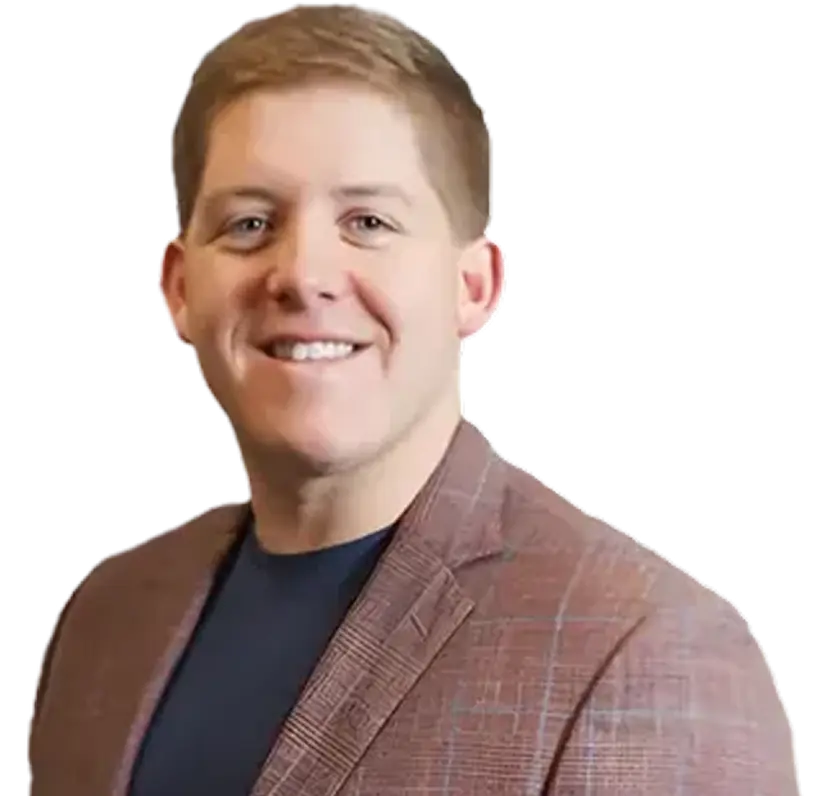



Dec 2024 | Overruled with Scott Vicknair
If you’re looking to take a step forward with your health and wellness in 2025, New Orleans has great people and resources to help support your journey. One of those individuals is Dr. Ben Dichiara, a local chiropractor and owner of Allied Chiropractic & Wellness. He joins us today to share insights into the benefits of sports chiropractic, wellness tips, and the importance of hydration, walking, and nutrition.
We’ve had Dr. Dichiara in our office to provide his services to our staff so we know and trust the work he does. His company is a family-oriented clinic that focuses on personalized care and preventative health with roots in Louisiana. Learn how his clinic supports both athletes and everyday individuals in maintaining optimal health.
Don’t miss our conversation about small business, healthcare, and the little changes that can make a big difference!
Here’s what we discuss in this episode:
0:00 – Intro
1:40 – Background on Ben’s career
6:00 – Types of treatments they provide
8:32 – Easy things you can do to improve health
13:35 – Grocery store tip
16:38 – About the business
20:07 – Services anyone can benefit from
26:11 – Small business owner tip
29:25 – Where to find Ben
Learn more about Dr. Dichiara: https://alliedchiropracticandwellness.com/about-us/
All right, good afternoon everybody. This is David Vicknair. Welcome to the Overruled podcast, brought to you by the Scott Vicknair Law Firm.
It is afternoon. Almost messed that up. I thought it was morning. But have a great guest here today, a close friend of our firm, Dr. Ben Deshera. Did I butcher it? That’s right. There you go. Nailed it. Great job.
And, Dr. Ben is somebody, we know he treats some of our clients. He’s a local chiropractor in Metairie. And, I think the way you really want a lot of people over here over Dr. Ben. A little sneak trick of his, is he came to do a lunch and learn to teach our staff a little bit more about his clinic, which is a fabulous clinic. Very family oriented small business in the community, run by his wife. Great people. I’ve met some of the people in your team when we went over there.
But he came in here and gave everybody massages. Yeah, we call it a wellness day. Yeah. Yeah.
So we’re really sports chiropractic. So excuse me for my voice. I lost it. The cold weather. I know it’s an unpopular opinion, but I’m more of a hot weather fan. So I know I might get chastised for that. But, I think my impression of you is slight, slight different. A little.
Talk to me in August. You’re from here. You’re from here, so you should despise the humidity. Just like we all do, Dr. Ben.
But, you know, the weather switch got me. But yeah, I’m a sports chiropractor. So, did a little extra schooling to do sports chiropractic.
And, we did come to give a wellness day. And, the massages are part of it. And so I think you guys enjoyed it from what I’ve heard.
Well, the staff was like obsessed with it. They talked about it for like two weeks. Some, I heard some of them, they say, I wonder when Dr. Ben’s going to come back and do this again.
That’s awesome, man. Which is great for me because I didn’t have to pay to bring the massages.
That’s right. That’s right.
When you say sports chiropractic, is that like a different level of education on top of the chiropractic degree?
Yeah, so we go through the same schooling to get the DC, the Doctor of Chiropractic. And then some people can go into nutrition, sports, orthopedic, there’s a, like a neuro, certification.
So it’s an extra, can be up to a year or more of extra schooling. And so, I did, it was an extra 140 hours for me, going back. And I just really enjoyed treating athletes and, really the weekend warriors, you know?
For sure. But I think you and I talked a little bit about how, you know, impact injuries, like car accidents, are very similar to what we see in our contacts sports, rugby, football, even soccer. Sometimes.
Yeah, absolutely. Just because we have in it’s just a really, more impact type injury than something that’s nagging, something you tweak, maybe lifting weights or something like that. It’s a totally different type of impact on the body.
But tell me a little bit about, dude, does the clinic, tell, tell our listeners if you might, a little bit of the history of the clinic. I know meeting you and just getting to know you a bit, I just think you’re a great person. I can tell from the first couple of interactions we had.
And then your wife’s wonderful. I know she runs the clinic. And it’s here locally, right by, behind McCord’s Butchery and the bakery shop right there.
Yeah, right after the 17th Street canal. Tell everybody about where the clinic is, the history of the clinic, what y’all do.
Yeah, so we started about 10 years ago. I was working for a bigger organization. And I really felt, I’d say it was like a God moment because I felt called to just kind of go out on our own, which as you well know, when you go out on your own, you’re really stepping out in faith.
And just hoping that, you know, you’re going to grind enough and that, things are going to work out. So, it was, definitely a trying time.
And my wife and I had to sit down and talk about, hey, we may have to sell the house or we might have to eat peanut butter and jelly for the next year. But I’m so thankful. She was on board and she said, look, if God’s calling you to do this, then, I’m with you.
And so we had two kids at the time, now we have three. But it was like, thank you. And, and, you know, it was like one step at a time. One day at a time.
And, look, where the patients going to come from? So friends and family. And then, you know, one person told another person. And so a lot of our patient base is word of mouth referrals.
And that’s really how we, we like it to be. If we get, you feelin’ better, you tell your mom. Your mom tells a sister, who tells an aunt. And so we’re, it’s a very family oriented practice as a result.
So here we are 10 years later, we recently moved across the street from where we were. And, it’s just been amazing, you know, to see how people have supported us along the way.
And I’m actually going to ask you again, but do y’all have a website like, Allied Chiropractic obviously have a Google page, I’m sure. You can find you there.
Allied CW because it’s chiropractic and wellness. Dot com is the website.
Do y’all do, Dr. Ben, well, first, before I go there, you mentioned a little bit about it. You wanted to start the clinic because you had a callin’ to do it.
Was it, were you in a bigger operation and you felt like you, like, was part of it because I’ve got a close friend, this physical therapist, and he left a bit of a bigger operation.
Part of it was he wanted to start his own clinic and be able to devote the requisite time to each particular patient and really see the impact of improvement of their injuries, opposed to like, feeling like you’re just touching base with somebody for five minutes.
Exactly. Was that what it was for you?
Yeah, that’s almost exactly. It was a lot of good I learned from the old clinic, and there were some things that weren’t that great that I didn’t necessarily agree with.
And so, after about six years of working with them, decided to go on my own. And it was because I wanted to have a little bit more of a personal touch.
One of the reasons I got into chiropractic is because I enjoyed the, the body, the way it moves. And so I love treating, you know, shoulders and hips because if things start to get out of whack or kind of wonky, and you get them working again, it’s a game changer for people, you know?
They’d have people come in, can’t lift their shoulder up. And they, they go out, like, I don’t know what you did, but this, it feels like a miracle, you know?
And we know all we’re doing is helping the body do its natural thing. But there’s something powerful about being able to see almost immediate, you know, like the, the change, within a matter of, minutes.
Right. Now, I know we talked a little bit about, like, I’ve got to meet you just because you, you happen to be treating some of our, personal injury clients at the firm, who loved the clinic.
And it’s like, obviously anytime that they ask people here for recommendations on where to treat, like, we want to send them to good people who have nice clinics that we know we’re going to take care of them.
But how much, what other kind of stuff do you do besides, like, obviously y’all are involved in treating some of our patients, but when you say wellness, do y’all do any type of preventative chiropractic care, like stretching or other things that people who are like active, either marathon runners, athletes, at local high schools or anything like that, that kind of stuff?
Yeah, so we’ve treated every one from professional level down to, less than high school, which I guess would be junior high. But the majority of our athletes are weekend warriors.
Now, I always wanted to be, treat professional athletes. And after treating a couple of them, it was great, but it wasn’t all that was cracked up to be. So, I feel like the high school and junior high can make a much bigger impact.
I did work with Tulane for a couple of years, treating their athletes on campus. And I really enjoyed that.
I think that the good thing about someone who is active is that they’re gonna respond a lot better. If we give you home stretches or exercises, and you have a race, a marathon, or running in a couple weeks, you’re more likely to do that then if you have a more sedentary lifestyle.
So, something we do called active release techniques, kind of like a stretch with a massage. And that’s very effective. Dry needling, which is becoming more and more popular. We see a lot of great results.
Have you had that before?
I have, so I actually tweaked something in my back once, lifting weights, probably about a year ago. And my friend, I had mentioned earlier, did a couple of sessions of dry needling with me.
And I was blown away by how much it helped. And it almost, I would say 90% of the issues I was having went away solely from that. It’s not amazing.
I’m a freaking lawyer, like what do I know, right? But like, just anecdotally, like immediately felt the benefit. And it all went away. But, I was blown away.
Yeah. And that’s where you say like anecdotally, a lot of patients or people say, well, what’s the science behind this or the studies show that. Like, I’ve seen it enough times, right?
Exactly. And then the placebo effect of like, you know, just touching an area can go a long way, to helping that feel better. And so I think that when people respond to needling, to adjustments, to things like that, it’s like, if it works, you know it works, you know?
Or some of the things that y’all offer to like, let’s say, not like an athlete, whether it be like a Jesuit, shout out Miles, you. Jesuit guy, here.
Hear Jesuit guy all the time. It’s okay, man. We’re gonna hold that again. He’s he’s putting his hands up.
Yeah, he’s happy for the Jesuit shout out. But like, not a, let’s say you’re not treating like a Jesuit.
If somebody’s listening to this and they’re not an athlete, but they’re a relatively active person and they’re interested in like, hey, here’s one or two or three things that I could do to kind of improve my overall mobility or, or, you know, body health.
Like, what are some simple recommendations that you make? Low hanging fruit.
And my patients here all the time. So if any patients are listening to this, they’re gonna be like, not again, Dr. Ben.
Believe it or not. Hydration is huge. Water. Water is huge.
Now, you can go down the rabbit hole of, you know, like, this is not the best water. You need to have hydrogenated water or, you know, it’s gotta be from a spring in Colorado.
If you just start, just increase in water. So half your body weight in ounces. So if I’m 200 pounds, 100 ounces is a baseline.
Meaning, things like alcohol, caffeine, nicotine, stress, exercise, you’re going to want to increase that. But most of us are not hydrated well enough.
Well enough. Now, we get some hydration from food, but for the most part, if we could just increase our hydration, you’d be amazed at the difference you’d feel physically.
Believe it or not, like, brain fog, you know, just like mental clarity. So I’d be my number one. Would be water.
And so you say, divide your body weight by two, and then that’s the amount of ounces of water to drink every day.
Correct. That’s an easy, great tip. Okay. Keep going.
And so walking. So a lot of studies are showing that walking, it’s a low risk, higher reward.
And when it comes to, especially low back, hip, pain or, you know, disc issues because it’s getting some mobility in there, into those areas, and it’s not a lot of impact.
I like running, but there’s a lot of risk.
I, I think it’s just like funny that you said that because I’ve gotten, I’ve traveled abroad twice this year. Once, Southern Mexico and once in Europe.
And I’m like, okay, those people are not really eating much less than us. I’m gonna be honest with you. The portions are a little bit smaller, but they’re eating a lot.
They’re drinking, they’re like having their wine or whatever. But I noticed the two things about like diet and activity. Activity being the main one.
Diet, they are eating more whole products than the crap that we have. Yeah. That’s processed. That’s like a whole different rabbit hole. I don’t want to go down. We’re not talking about.
But they walk everywhere. Yeah, man. In Mexico, they’re walking everywhere. In Europe, they’re walking everywhere.
And it just really kind of crystallizes like how little we walk. And we are way too sedentary, right?
Yes, amazing. So I’ve never been to those places, but I’ve heard walking and also bike, bikes are more, are more popular.
But if you look at America compared to a lot of other countries, from a technology standpoint, and a wealth standpoint, we’re up there.
But from the health standpoint, we’re, we’re very low on the totem pole.
So if you’re just average, I got my Fitbit. And I tried to do 10,000 steps a day. Like, how would you recommend, like, somebody just throw a low cost Fitbit on and start seeing how much you’re walking and pay attention to it.
Like, what do you?
Well, I’d say even easier than that. Like, start with 10 minutes. If you’re doing nothing at all, just 10 minutes, three times a week. That’s gonna be an uptick. Yeah. Of walking.
Then from there, you go up about 10% every week. So 11 minutes, you know, the next week.
Now, if you start feeling pain or there’s little aches here and there, you want to back off and be smart.
So my motto is I’m getting older, is live to fight another day, you know? So making sure you’re moving, but that you’re not causing any issues or injuries as a result of that.
Yeah, it’s not exciting, but I do have, like, I also thought about a prior client of ours who was in a really, really bad car accident.
His case is all wrapped up, but he was a very large guy. Really large. And because of the car, the collision, he was having serious back issues.
But one of the things he was working with the doctors on was almost like, look, we lose some weight. It’s gonna not make the pain go away, but it’s gonna improve it.
He started, like three or four or five times a week, I think he would go to a park early in the morning before work. And just do three laps or four laps and walking.
And he didn’t really change his diet that much. And he lost like 40 or 50 pounds. Just over six months from walking. And that’s the only thing he changed.
And so that’s like an example. I remember that just kind of crystallized, like how little, it’s just not sexy, but if they say the everyday consistently getting more steps in and moving, right.
You said the keyword consistency. Whether we’re talking about bodywork, like chiropractic, PT, exercise, anything we do, there’s no magic or secret formula.
You just gotta be consistent. And so if, if we eat McDonald’s today, we’re not unhealthy because we ate that one time. But if that becomes consistent, just like if we eat a salad today, we’re not healthy because we ate the salad.
But if you’re doing that consistently, then you’ll start to see some results.
Right. And I think you have one more.
Yeah. So the other one, since we’re talking about nutrition, without going in a rabbit hole, is trying to stay on the perimeter of the grocery.
You know, if you’re walking into a grocery store. My trainer told me this morning, I’m not even freaking joking with you.
So look, it’s the perimeter of the.
I’m serious. Like five hours ago he said that. Think about it. If you, and you’re, and your head, whatever your favorite grocery store is, when you walk in, man, if you take that right or that left, wherever it directs you, it’s usually fruit and veggies.
And then it’s dairy and it’s meat. And you start going in the middle aisles, you got, you know, crackers, cookies.
But, you know, the 80/20 rule for me, because you like, we live in New Orleans, right? So it’s like, dude, how are you gonna live out here and not go get a fried shrimp po boy? You can’t.
You know, I, who wants to not be able to have that? Exactly.
But if 80% of the time, you’re eating healthy and you’re, you know, maybe going to the gym, then that 20% you can kind of blow it out.
But I’ll tell you, something from me that helps is, I call it the belt of truth.
I have one belt that I’ll wear and, dude, if I notice it starts to get.
I first thought we’re going like wrestling belt territory. But now I know, I think I know where you’re headed now. So.
But if it if it starts to get tight, I don’t let out a notch, man. I’ll suffer until I can kind of back off a little bit. You know?
That’s actually a pretty good one. I like that one more than any of the others, man.
Because, you know, nowadays pants are stretchy. So you get a little like, I refuse to go up. I, and I.
Yeah, me too. I refuse to stretch pants. So.
Yeah. Belt of truth, man. I’m going home and pick a belt.
Yeah. And then just that notch is where it stays. You feel like the truth might be hard, man.
Yeah, it’s gonna be hard.
So that’s those are my three tips. And I think that, look, no one’s perfect and we’re not gonna get it right all the time.
But, I don’t know about you, Dave, but like, as I get older, it’s just, if, like a gambling analogy, I don’t, I don’t gamble anymore.
But, you know, the chips are stacked against us as we get older. And so you just try to do all the things you can, as well as you can.
And then, like, Thanksgiving is coming up, man. I plan on blowing it out with the family and having a good time and eating and drinking and being merry.
But the weeks leading up to it, I’m trying to tighten up a little bit.
Absolutely. And then with Christmas and New Year’s, it’ll be the same thing. And then we’ll have Mardi Gras right behind it.
Yeah. We have a late Mardi Gras this year. So I, so if I do dry January, so I’m like.
Yeah, every year. I have been doing it for four or five years now. It’s amazing how much weight I lose in January, which I don’t know what it says about my alcohol intake.
Right. Right. But, Mardi Gras is late. So you can go a little bit longer and not have Mardi Gras rushing up.
I think it’s on in the beginning of March.
So it’s March, yeah.
But you know, it’s interesting. I find that, like, for us, a lot of patients are like, I was gonna do New Year’s resolutions. But Mardi Gras is right there. So I’m just gonna wait until after Mardi Gras to start doing things.
I try to start like in November. Like make little changes. So it’s like what you said, be mindful about like trying to be a little bit better before Thanksgiving and Christmas so you can enjoy yourself.
And it’s not like you blew it out the entire six weeks, which changes the paradigm of trying to start the year off, right? You know what I mean?
So let’s get back to the clinic a little bit. How many staff do you have? Like, I know you just moved into this new location, which my congratulations.
It’s three weeks, three weeks ago. And y’all are excited about that.
Yeah, we’re very excited. Tell our listeners just a little bit about the team, the new location, all that kind of stuff.
Yeah, so it’s it’s brand new. We did a build out. It was an old, actually bank or credit union. So we kept the exterior structure, but everything else is new.
And again, that’s another, about a year and a half of just, praying for a spot, a little box that we’re in. And then God delivering.
But it’s so it’s my wife who is she’s the boss. Yeah, just like you know.
And so my wife, me, and then we have, Andrea, who’s the front desk. And I know so.
We have staff and Jess in the back. And then Christy’s our massage therapist. And, she’s she does a great job, working on patients.
So we have a couple of exercise therapists. And then Christy’s the massage therapist.
And really we just, again, we, we treat patients like, if my mom went into a clinic, how would I want her to be treated?
Yeah. And we just work backwards from there.
From an employee or team member standpoint, it’s the same thing that, should we’ve all been working at places that aren’t the best and we’ve worked at places that are great.
So we try to be a great work environment, knowing that’s going to spill over into our patient experience.
And so we try to create the best patient experience possible. And that’s, that’s the key as far as I’m concerned.
I like that you said the mom test. I, Miles is gonna be, Miles already heard this, probably two or three times, he’s only been here three months.
But, I like to say the grandmother test because we’re in the service business, just like you.
The clients, just like yours, sometimes, are in a bad situation. And sometimes they’re on the phone with our team. And, you know, they could be our team feels like they’re getting pouted on because whatever.
And I’m like, if you’re having a bad day, and that’s happening, like, you got to use the grandmother test.
Don’t talk to our clients any other way than you’d talk to your grandmother.
Exactly. And that can kind of just crystallize that, you know, the paradigm of the client experience for you, the patient experience.
And I’m probably, you know, for us, this has been the effect. Probably the same as you.
Focusing on that so intently and trying to constantly improve it and make it as good as you can. Like, it’s gonna screw up all the time because people are people.
People are going to have brush ups with patients, with clients. And it’s not always, we’re not always going to deliver what you would expect or what I would expect or certain leadership at our companies would expect.
But it’s striving to do it. Leads to the referrals and then helping grow the amount of patients and clients and team, right?
Exactly. And I think that’s the key. And if we back up to, you know, and you’ve heard them talk about it a couple of times, we’re faith-based company.
And so if we do, with, you know, the two big things, love God and love people. So, if we’re doing the right thing by God, we believe we’re doing the right thing for people.
And then the outpouring of that is, we’re taking care of our people, our team members. We’re taking care of our patients.
We’re not gonna get it right all the time. We know we’re not perfect.
For sure. But we hope that, and we’ve had heard stories of people who we couldn’t help because they maybe needed things that were out of our scope or we just, we couldn’t help them, but they thanked us for the experience.
You know, we know them by name. When they come in, we see, hey, David Vicknair is coming in for his first appointment today.
Andrea at the front desk, you walk in, you must be David. Yeah, I’m Dave. Hey, David, come on back.
So we’re very intentional about, the name and people’s name. And treating them with the respect that I think everyone really deserves.
Absolutely. I love that.
Tell me a little bit, like, so if you’re, a random listener here who’s not an athlete, necessarily, not, injured in a car accident or slip and fall or a work comp claim or something like that you would help handle.
But you’re just like, hey, I like this Dr. Ben guy. What type of services do y’all provide to everyday people who like, whether it be like, an adjustment or, kind of walked that through that a little bit.
Yeah, so we, so everything from the adjustment to, we do like electric stem with heat. Like a little tens unit with you, to just warm up the tissues.
We do a 10-minute focus massage. And then the active release or the dry needling, like I mentioned.
Christy is doing 60-minute deep tissue, sports massages. And she’s the type that she did roller derby for a while, so she’s super sweet and just brutal with the thumbs.
So she’ll get in there, you know, she’s not, cookie cutter, pop pop. She’s like, man, this is tight. Let’s kind of work this thing out.
So for a lot of our patients, believe it or not, they, I think because wellness is becoming more and more, popular. I think people are realizing, that old saying, an ounce of prevention is worth a pound of cure.
So if you can do the things early on.
So we have patients come in. Look, I’m not really tight. Some patients don’t like getting adjusted. They don’t like the cracks and pops.
And so we accommodate them as well with the active release or the massage.
And so from there, we’ll just kind of follow up like you would with a dentist. Like, hey, come back in and maybe it’s a few months, maybe it’s, a month, depending on the patient and what’s going on with their joints.
We’ll recommend that.
So it’s everything’s hands on. There’s no medicine. There’s no surgery. But we do have, I say a network, but there’s other doctors that we’ll refer to.
I really like Tulane institute of sports medicine, you know, working alongside those guys for the couple of years I did.
And there’s other local neurologists, neurosurgeons, orthopedic surgeons that we’ll refer to.
Yeah, exactly. If it’s out of our scope. So at the end of the day, we do the, the best thing for the patient.
We had a lady recently, she came in and didn’t want to see a surgeon. And I had to talk to her and say, man, what we’re doing here isn’t going to help you.
We’re gonna be a disservice to do anything because it’s, it’s a little too far gone for what we can offer.
And so we were able to refer her out.
So it’s doing the right thing. That’s doing the right thing too. Because like, I mean, you can keep them in a chiropractic clinic for six months, but like, if you know within the first month, that’s a chiropractic, or first couple months, chiropractic care is not gonna really do anything based on how severe the injury is.
Like, you’re not doing them any good by delaying them, the inevitable. Or at least getting them to whether it’s an orthopedic surgeon, neurosurgeon, somebody to like, look at them, look at the imaging, like give them some recommendations.
Exactly. It’s the grandmother test. The mother test.
If my mom walked into a place and someone kept her around for a couple of months knowing that they couldn’t help her, I’d be pretty upset about that, you know?
100%. And then doesn’t always have to be like, oh, they go immediately to surgery, right?
I mean, like, they could give pain management a shot for a while. Like I’ve seen really jacked up spines and respond, believe it or not.
Thinking of one lady in particular, like a terrible spine image that, like, you’re like, it’s headed to a fusion. And like, very positively responded to epidural steroid injections for like a much more extended period of time than you’d see.
Like six or seven or eight months.
Right. And so you never know. Like pain management can be interventional and prevent the need for them to have more serious procedures, right?
Yes. I have some friends that are in that field. And I’ll tell patients when they ask me, you know, what do you think about medicine or pain management?
I really think there’s a time and a place for all that. And so I’m, I’m certainly not opposed. I’m actually in favor of that when the time is right.
I think that if you try conservative therapies, PT, chiropractic, massage, if that’s not helping, then on the medical side, oral medications to injections, and then you start walking up that latter. More serious services.
Yeah. So you’ve been in business 10 years now?
Yes, sir.
Yeah. What are the, good lord. Don’t call me sir. I know. I know. You’re probably younger than me.
I think I might be. No, it doesn’t matter anyway.
But I had to yell at one of our new, team member that they called me sir. I was like, stop. It’s natural. Stop. Not sir. That makes me feel old.
It does make me feel old. I don’t feel old. That’s a whole different rabbit hole.
Even working out. It does help me feel. Yeah, four days a week. Good. Makes a lot of.
What kind of working out do you do?
Torture. High intensity. It’s basically torture.
One of his, clients came in after me this morning. I was like, are you, you just torture David? And I’m like, pretty much.
Me and one other client of his in my building that I live. He tortures us. Not gonna out that client. But he’ll know who he is.
But it’s, weightlifting. So we do three days, pretty heavy weightlifting. But not always.
A lot of times I’ve noticed like crazy thing. Trainer is just sometimes like lower weight but doing different modifications to the workout.
You amaze at how the same workout can be so much more intense with less weight.
Dude, yeah. Other benefit I find from having a trainer is like him being there and stopping wrong movement, which is not hitting the particular area of the body you’re trying to hit when you workout.
And then we actually added on a fourth day, which is like a mobility day, which I’ve actually enjoyed.
Good for you man. Most people don’t do that.
I know and he really kind of pushed me into it and I thought it was kind of like, I don’t know what this means. Like two or three months ago, we started it.
Total game changer. Like especially now with stretching and all like I’m noticing how much more mobility I have in joints and everything like that. It’s been a big deal.
And so I see why stuff like what y’all are doing like the massages or like the, I think of like stretch zone, that company that’s gotten really big, like people are understanding now.
Yeah. Like I should actually be preventative from the standpoint of massaging, stretching, all those things, right?
Yeah. Yeah.
So Hey man. I ran about that. For the mobility.
So let me ask you, I was going on to talk about, the business. What are, what would you say is one lesson, one of the one lessons that stick out in your mind, you’ve learned about running a small business?
That you would tell somebody to avoid? Like maybe a mistake that you made. Not necessarily a specific mistake. Maybe like an insight, like you say, hey, if you’re thinking about going out and starting your own business, here’s something to consider that maybe you didn’t think about before you opened the clinic.
Yeah, the biggest thing is, you know, if I had talked to myself 10 years ago and said, hey man, 10 years down the road, you’re going to be like good, like you’re just going to be able to coast, cruise, you know, there’s always something to be done, whether it’s working in the business, working on the business.
As you well know.
Yeah. So treating patients is just one hat that I wear. But I’m also HR. There could be some, you know, billing, there could be.
I love because I despise HR. It’s like the worst thing ever. So yeah, it’s not easy. It’s like it’d be easier if it wasn’t for the people, right?
Well, I just hate it. Like, you know, these things that you just hate.
Yeah. And I’m like, you know, part of like growth for me was like, I just don’t want to do the things I hate anymore. Like it’s so sick of doing those things.
Like, yeah.
Yeah, but you get out of your comfort zone, you do it. And I should, you know, kind of qualify and I love the people, like in general, I love.
Of course.
But when you’re
That’s not what I think. When I think about HR, it’s just like, it’s dealing with. It’s dealing with what I perceive to be picky-youn things, which is a bad way to describe it because they’re not picky-youn to the people.
Right. Right. And so you really have to have somebody who’s skilled at it and dedicated to it to pay attention to the things that your team deserves.
Yeah. Being a paid to do it, right?
Yes. And I just know I’m bad at it. Yeah. I know I’m bad at it. Like so it’s like, I just acknowledge the things that I’m not good at.
Yeah. Yeah. Try not to do.
Yeah. Yeah. Surround yourself with people who are good. Who are good at them.
Exactly.
Anyways, sorry. I don’t want to hijack your answer. I went on a rant there.
So that, that would be, you know, there’s always something and I enjoy the grind, but man, sometimes, you know, you get a little tired.
The work life balance. For sure.
You know, I have three kids and so, believe it or not, 18, 12 and six. So we’re not the best planners, but the oldest is going off to college next year. And the youngest is going to be in first grade next year.
So. But you know, man, like I had a ton of stuff to do with the new building last weekend, but I decided to take my kids camping instead.
And so I think finding that balance, it’s very important. Knowing that again, you know, loving them and then, honoring God by taking care of them.
I believe God’s going to take care of the business. There’s still steps that I have to take and I have to walk in those, those ways, but at the end of the day, I think that if you’re doing the right thing for your family, then the business side of things, certainly takes care of itself.
Absolutely. As long as I’m not kicking my feet back, you know, I’m not sitting at home watching soaps and eating bonbons, you know?
No. I mean, you can’t really, I mean, look, you can’t, you can’t open up a business and grow it and be successful at it like you’ve been, if you’re not self-motivated to an extent.
Right. Right. But there is always a balance because there’s always stuff to do, right?
Well, alright, well this has been an incredible discussion. Dr. Ben, wanna you tell one more time, everywhere. I mean, y’all and yeah, I know y’all are on social media, I think, like everywhere.
Talk to me, I need to do a better job, dude. I mean, that’s something else. You know, I’m not good at social media.
Miles, yeah. Reach out. Houston, go talk to you about that. But yeah, where look, we say, we’re out on the Paris line, Orleans and Jefferson, in Metairie, it’s 200 Paris Avenue.
Not a lot of people know there’s a Paris Avenue in Metairie. I didn’t. I was thinking of Heritage Plaza next to the Winn Dixie, right by 17th street canal.
Yeah. So you’re right across the street. Right across street behind Courts, Kanes, in the Diggerry shop. That’s it. Behind there.
Yeah. So, Allied Chiropractic. Is it between the windies and the Canes? Is that how you get to it? Or do you go through the building and
Man, you actually are on Lake Avenue. So we’re on the corner of Paris Avenue and Lake Avenue.
Okay. So if you leave and that’s going towards the service road, you know, it’s going towards I-10.
Yeah. We’re right on the corner right there.
Okay. And so, we treat everyone, you know, from the weekend warrior to the professional athlete and then getting into car accidents and workers comp was a natural kind of, little segue, you know, from our patients who were runners, who were getting into, those events.
So, Allied Chiropractic and Wellness, ALCW.com. And that’s how you find us.
Awesome. Awesome. Now, somebody just wants to book, they just go online.
Just call. Yeah. Online or call. And we try to make it as easy as possible.
Do you make appointments online?
Yeah, yes. We do.
Yeah. So they can just go online and make an appointment.
Yeah. Easy peasy.
Okay. Last question. When do you come back and massage in my team over here?
Hey man, we’ll do it. Run holidays. It’s gonna be stressful.
So a couple of weeks.
Yeah, we love to see y’all.
Yeah. Okay. They would have appreciated it. They loved it.
Yeah. I hate to put you on the spot, Dr. Ben, but I love it man. I love helping people.
Get them back out here. They’re happy when they’re massaged.
Yes. Yes. Awesome.
Alright, well thanks so much for being here.
Thanks for having me. It’s been a great conversation.
Please check out, Allied Chiropractic as Dr. Ben just said, there, they’re on the website he just mentioned.
We’re going to put all that in the show notes, as well as all their Google listings. And clip a lot of this so y’all can really kind of learn more about Dr. Ben and his team.
They’re just incredible people. Dr. Ben’s wonderful. I told one of my case managers earlier, should be here. She’s all excited. They love him.
Appreciate him and his team and his wife. So, thank you so much for being here.
Yeah, man. Thank you to all of our listeners for listening. It’s been another interesting conversation about medicine, small business, and a little changes we can make to our own lives, as well as HR.
Didn’t see that one coming, did you? Curve ball. Little curve ball.
Once again, this has been the Overruled podcast brought to you by the Scott Vicknair Law firm. I am David Vicknair and to all of our listeners, thank you so much for listening and we’ll see you next time.
Scott Vicknair, injury attorneys. We fight for the win.
Information is for illustrative purposes only and does not constitute tax investment or legal advice.
Always consult with a qualified investment legal or tax professional before taking any action.
Let's Get Started on Your Case
NO FEES Unless We Win!
Insights and Updates from Our Legal Team