JOIN US FOR FREE 4HR OVERRULED CLE NOVEMBER 5th @ LOEWS HOTEL
Absolutely NO FEE Unless We Win!




Feb 2026 | Overruled with Scott Vicknair
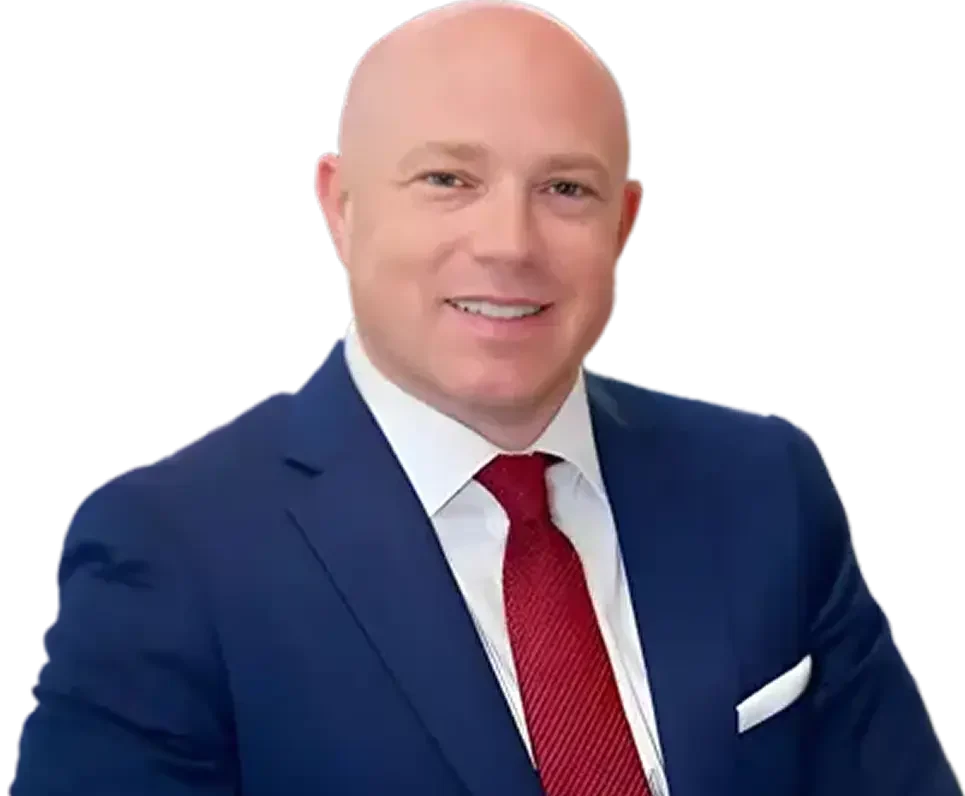
In this episode, David sits down with trial lawyer David Holt for an inside look at what it takes to try high-stakes cases across the country. Holt shares his path from law enforcement to the courtroom, including the career decisions that shaped his approach to trial advocacy today.
They discuss the realities of preparing for lengthy jury trials far from home, lessons learned from a major brain injury verdict, and why juries- regardless of geography- tend to share core values. The conversation also explores jury psychology, the importance of authenticity in trial work, and why trust matters more than strategy when standing in front of a jury.
Here’s what we discuss in this episode:
Smith Law Center: Website: https://www.smithlawcenter.com
Instagram: / smithlawcenter
YouTube: / @thesmithlawcenter7913
Facebook: / thesmithlawcenter
Learn more about David: https://www.brain-injury-law-center.c…
LinkedIn: / david-holt-52785318
#triallawyer #triallaw #courtroom #trialpreparation #personalinjurylawyer
Injured? Begin the process here:
Scott Vicknair Injury Lawyers: https://www.scottvicknair.com/
Car Accident Lawyer: https://www.scottvicknair.com/new-orl…
Truck Accident Lawyer: https://www.scottvicknair.com/new-orl…
Motorcycle Accident Lawyer: https://www.scottvicknair.com/new-orl…
Probate, Succession and Estate Legal Needs?
Visit Scott Law Group – Estate Counsel: https://www.louisianasuccessionattorn…
Scott Vicknair, injury attorneys, we fight for the win.
Good morning, everybody, and welcome to the Overruled podcast, brought to you by the Scott Vicknair Law Firm. I am your host, David Vicknair, and this is our first episode of 2026. Really excited to chat today with someone who’s become a close friend of mine, a professional colleague in the profession, none other than David Holt from the Smith Law Center in Hampton, Virginia. David, welcome to the Overruled podcast, it is so great to see you today, happy New Year, I’m excited to chat with you today.
Happy New Year, brother, I’m really stoked to be here, it’s been a long time coming, but I’m glad you sent the invite and I’m glad we’re able to chat a little bit. It’s great to see you, happy New Year, man.
Yeah, you too. Want to say a little about you to our guests, you’re a very humble guy, I think you’re intentional in working on humility, you’re very introspective, two things I think I’m constantly thinking about and working on, and maybe part of the reason we naturally became good friends when we met through some legal groups. But one of the things I want our listeners to know is you’re a real trial lawyer at heart, and a great one. Your firm has a verdict, a $10 million verdict, which is a piece of a $90 million verdict, potentially one of the biggest brain injury verdicts ever in the state of Oklahoma, I believe. So I was hoping you could tell everybody a little about you, your practice up in Hampton, Virginia, and try to be a little less hard on yourself and humble than you always are, because you’ve achieved a lot of really great things in your legal career so far.
Well, I appreciate that, that was a fun case, and we can probably talk about it later, but that was a two-month case in Oklahoma, an interesting part of my career for sure. Boy, I grew up in this area, I’m from Virginia, born and raised here. I was a big athlete when I was younger, which probably translates into a lot of my competitiveness now that I’m older and still kind of competing, either with myself. I played soccer in college for four years up at University of Mary Washington, it wasn’t Mary Washington College back when I was in school. Pretty soon after getting out of college, I was hired by the police department down here in Hampton, Virginia, I’m from nearby in Newport News, an adjacent city to Hampton, if you’re familiar with the coastal area of Virginia. I began my law enforcement career, three and a half, four years or so of being a cop on the street, seeing some pretty wild stuff, I was trained to be a bike officer, trained on a certain division of the SWAT team, did some pretty cool things. As I got a little older, a couple years into it, I realized it wasn’t something I wanted to do as a career. And I ended up meeting my wife, Heather, God, it’s been a long time, this was right before law school, around 1998 or so. I was with two of my friends, both of whom went into the Secret Service, spent their whole career there. One of them was my field training officer who trained me, my FTO, and a good friend, he was also in my wedding. My other friend, who was my roommate in college, convinced me to come be a cop, I ended up going to law school, he ended up going to the Secret Service, and we’ve done circles around each other for years in sort of the legal field, he just did it a little differently than I did. My head was in wanting to go into federal law enforcement for years. I met Heather, we got pretty serious, she was a coach at Old Dominion University, she coached lacrosse, played lacrosse there and then coached there for, I don’t know, 25 years. And if you know anything about federal law enforcement, you go through the academy, whether at FLETC or up in Quantico, wherever, for ATF, FBI, Secret Service, whatever it is, they’ll just send you wherever they need you. And I was really concerned that if I got picked up and sent off to somewhere like Minnesota, I’d be pulling Heather out of her real joy and comfort in coaching. So I stuck around, hopefully you’re not looking for referrals from attorneys in Minnesota.
Minnesota, the summers are really nice, it’s a beautiful place in the summer.
True story, my sister had a job offer from, like, Johnson and Johnson, maybe headquarters up there, there’s a big medical or manufacturing facility, I can’t remember who it is. My sister went up there and interviewed with this company in the middle of winter, and saw that they have to plug their cars in in the winter, and she was like, I’m not doing that, I’m not going there.
Was there, David, I’m curious, was there any part of you, did your friends go to the Secret Service before you went to law school, were you considering that route? Because I could see you in the Secret Service.
Yes, that’s actually where I was headed. I went through pretty deep steps for the Secret Service, and at the time they were picking up a lot of people who had master’s degrees, and I didn’t, I had a bachelor’s in business. The FBI’s kind of the same way, it really depends on the needs of the agency and the timing. My good friend Joe was picked up about a year or so before me, and when I was going through the process, I’d gotten all the way through the polygraph, and probably through the next, like, psych stage, and they were like, you have to be really competitive, it’s very, very competitive, and it depends on the economy and the number of applicants. So while I was still kind of in the process with the Secret Service, but had never really been picked up, I went off to law school. A good friend of mine, who was a prosecutor when I was a cop, convinced me to go to law school, she’s a judge now, Angela O’Connor, she’s great, I love her to death. I remember taking my first contracts exam, back when I didn’t have a cell phone in my hand, there was a phone outside the library, and I’d just finished my contracts exam, going up to study in the library for another exam the next day, and I called her and said, what in the hell did you get me into, because I’d never had a more difficult exam in my entire life, and had no idea what I was talking about during that exam. Contracts, it’s part of the reason I’m not a transactional lawyer.
I can directly relate to that, I felt the same way, I can think about my first-year contracts professor right now, and I felt the exact same way, so I know where you’re coming from on that.
I got an A-minus on the exam, the curve, I guess, helped me.
One of the things that strikes me, I was just thinking, you were juggling the two things you were weighing, David, before law school, whether you’d go into the Secret Service or become a lawyer. You may not know this about me, Miles is going to get sick of hearing about this, but I played a year of college football and I really, really wanted to be a football coach, a college football coach, so I was weighing coaching versus law school, that was the delta for me. For you a little different, Secret Service versus law. What was the differentiator that made you decide you were going to chase the law route instead of the Secret Service?
My wife. It’s as simple as that, man. My story is actually, we just did one of these promotional magazine things, it’s actually pretty cool, it’s got my story in there, I can show it to you real fast.
Amazing.
Yeah, that’s me as a cop.
Oh, wow, okay.
I tell the story in here too, I just, honestly, I didn’t want to, when I met Heather within the first month, I knew this was serious. I don’t know, she was an athlete, a D1 athlete, played lacrosse, coached, was fit as hell, ran marathons, and she’s just one of those people for me that I was like, I could never let this person go. And she was really happy with what she was doing, and I got to the point in my head where I was at peace with it, that if I went to law school, I still had the opportunity to go into federal law enforcement, either during school or after graduating. I actually still had those conversations with the DA and with the FBI, in fact the DA called me right before I graduated and wanted me to, essentially what they do is screen you and then, once they decide they want to hire you, they send you through this testing process to try to find a way to not hire you, right, and if you get through it, the polygraph, psych testing, and back in the day some sort of physical fitness test, so the DA called and said, hey, we want to fly you to Baltimore for the next steps and testing, and I said, I’m…
Gotcha.
I turned them down. It was right before I graduated, Heather and I were married at that point, we got married my two-L summer, and I was just like, look, my head was already in being a prosecutor, that’s really what I wanted to do. And I felt like, I’m a bit of a thrill junkie, man, and I think that’s what carries me through trials, it’s a big adrenaline thing for me when I’m in these trials in front of people, it’s just my happy place, honestly it’s where I feel most comfortable. Sitting behind a desk for me is fine, and there are days like today where I enjoy it because I’m kind of physically drained, but walking into a courtroom, for me it’s the adrenaline of it. So I do miss that, and I know, through my own experiences with my friends who were in the Secret Service, they’re like, dude, it’s not all what it’s made out to be, you read the books, but it’s hard. I did the whole I-want-to-be-a-SEAL thing, SEAL Team Six, when I was in high school, and I actually had friends who were SEALs and they’re like, it’s cool but it’s hard, there are things you don’t read about, the hard things, and Chris would call me and tell me he’s guarding a port-a-potty outside a convention somewhere, those are the hard things. He traveled a lot, saw the world, saw some really cool stuff. Joe, my other buddy, was on the Presidential Protection detail for years.
Oh, wow.
His picture’s on Time magazine, he was one of the few Secret Service agents who walked, who protected George W. Bush from the White House to the Capitol, and then turned around and protected Obama back from the Capitol to the White House. If you go into Time magazine, there’s a picture of when Obama, if you recall during the inauguration, during the walk back or the drive back to the White House, he got out of the limo and started walking, and Joe had to get out and chase him, and Joe’s in that picture, about 20 feet away.
Very cool, that’s really cool.
It is pretty cool. He did some really cool stuff, and he’s still a close friend of mine, but I felt like, I’m a routine guy too, man, and I think if they pulled me out of here and pulled Heather out of her routine, it would have been really disruptive. I was really happy with where I was and still am, I love this area, I love being around the water, my family’s here, my parents are nearby, and that was helpful when we were raising our young kids. So I just, I don’t know that I would ever call it a dream of mine, it wasn’t a dream, it was just a goal, something I could reach for, but I’m pretty happy with the choices I made. I love being a prosecutor, that was interesting stuff too, and I saw a lot of very bad things in our society, and part of it’s probably just, I don’t know, helping the small people, I don’t like seeing people get taken advantage of.
Absolutely. Well, Dave, you were talking a little about how trial is your happy place and you feel most comfortable in the courtroom, I relate to that, unfortunately we don’t get to go to trial as much as we used to in the civil system. Unlike a lot of lawyers, for those of you who don’t know, if you’re listening, a jury trial especially, judge trials are a little different, it still takes an adequate amount of preparation, but there are just so many different psychological and sociological considerations at play, and preparation issues for a jury trial versus a judge trial, a lot more detail goes into a jury trial. The way I think about it, Dave, is it’s kind of like when you were in law school and you were in exam mode during the bar exam, the rest of the world didn’t exist, you were in tunnel vision, and that’s kind of what happens when you’re in a jury trial.
Shuts down for sure.
The rest of the world’s kind of got to be blacked out. But one of the interesting things about David is he travels, really, I have a joke with David Holt that we’re in a lawyer group together, we’re supposed to be meeting, and I’m like, he’s got to be in a status conference in Alaska, he’s got to be in federal court in Alaska. David tries cases around the country, and his specialty really is, you have a lot of knowledge of brain injury cases, significant injury cases with a lot of life-altering things going on. So one of the things I was thinking about before we talked today is, how do you modulate all that preparation and get your head in the right place, knowing you’re going to have to travel to other states to try the case? Do you just try to make the setting when you get there, in your hotel room, do you ship things ahead of time, do you try to keep your routine as much as you can?
100%. Well, that last part is probably the most critical, trying to keep your routine as best you can, because trial will uproot your routine significantly. You hear guys like Mike Alder and Nick Rowley and all these guys talk about how they’re up at 5 o’clock in the morning even during trial and working out, I don’t work out in the morning, just because my body doesn’t, I could probably get used to it, I don’t want to. So routine is critical. For the most part, when I’m going into a city to try a case, I’ll have already been there multiple times, for hearings or depositions or to meet with clients or witnesses, so I can get a little familiar with where my comfort zone is. And for me, if I’m out of my routine I’m uncomfortable, and probably a little disjointed, so I try to make a new routine wherever I’m heading. In the Oklahoma trial, I didn’t realize I was going to be there for two months, I kept hearing that from the judge and from the three, six parties involved in the case.
Which, I had to jump in just real quick, I don’t want to interrupt you, but the first time I met you, I think we talked about that case, I’d read about it online somewhere, and the first question I had is, how did you pull that off, with the family, being in Oklahoma for two months trying a case, that’s a long time.
Yeah, looking back on it now, it went by fast, it really did. The good thing was the time of year, one of my boys was in college so I didn’t have to deal with him, the other boy was driving, I think he was a senior in high school, maybe a junior, and my youngest son was, I don’t know, 12 or 13. My wife had retired from coaching and teaches at the high school where my kids are, so that was really beneficial. And true story, a few days before I left for trial, I went to Charleston, South Carolina, for a TBI conference, did a little speaking down there, and did an internal focus group with a group of TBI lawyers, they’re really great, Kenny Bitters down there, you know Kenny, and a few others, Joey Low showed up, one of the great trial lawyers in the country, gave a talk there. I came back Saturday morning, packed Saturday, and left Sunday morning to fly to Oklahoma, and like you said, I shipped a bunch of things out there, my whole office, about three or four boxes to a law office near the courthouse. But I looked at my wife and said, I don’t really know how long I’m gonna be gone, I’m planning to be gone for several weeks, and I apologized to her, I was like, I’m really sorry for being, and she looked at me and said, you’re not going to war, you’ll be back, and it’s okay. Having her stand behind me like that, and my kids understand, is critical, if you’re happy at home it makes it really easy for me to go on these trips. I was just talking to my wife about going to Phoenix last night, she’s like, oh boy, that’s a tough trip, you’re going to play golf and go to the WM, and I was like, look, life is hard sometimes, so she was giving me a hard time about it. It is work, dude, it is work, there’s no question about it. Ultimately, once my third kid’s out of high school and into college, she can probably settle down and retire from teaching, she’s a PE teacher and she loves it, I’m gonna go on these trips but I’m gonna bring her with me, and that’s a real incentive for me, now I want to be able to travel but incorporate spending time with my wife and seeing different parts of the country together.
So to go back to your question, having that stability at home is critical, and how did I prepare for it? I spent a solid month preparing for that trial, and every damn day I walked into my office thinking, there’s no way this case is going to try, this case has got to settle. It never settled. They offered ten before we walked into the courtroom, and we were like, screw you, we’re going to try this case. Prepping for it was a challenge, because I had clients in Oklahoma, witnesses in Oklahoma, so I had to map out my time before I went there, but when I got there I wasn’t exactly sure how the whole thing was going to play out. I walk into court Monday morning, like, okay, what are we doing now, I guess we’re choosing a jury, okay, how the hell are we going to do that with three parties here. But we worked it out, it all worked out, I just wrote a LinkedIn post about this, there were 18 jurors that we picked, the biggest concern the judge had was actually sitting enough jurors to last two months.
For two months, yeah.
And about a week or two into the trial, I called Heather and said, I’m going to be out here a lot longer than I thought, so I started renting new Airbnbs, because I had one for a month but not for after that, I ended up in three Airbnbs, four or five different rental cars. I didn’t go home. The only time I spent with my family during that time, I went to the Final Four lacrosse in Philadelphia, I called my boys, they love lacrosse, my wife coached it, so I flew from Oklahoma to Philly, another true story, the Final Four is Saturday, Sunday, Monday of Memorial Day weekend, and I was putting my first witness on the stand Tuesday morning at nine. She was a great witness, a Catholic nun, and a medical doctor, fantastic. But I was putting her on the stand at 9 o’clock the next morning, after the day after Memorial Day, already been there for a month, and I couldn’t get a flight out of Philadelphia, dude, there was this massive storm on the East Coast, moving through Philly and up north. Heather dropped me off at the airport, and I’m looking at my phone and there was no way I was going to make my connecting flight into Oklahoma, I was going through JFK to Tulsa, and I couldn’t stay overnight, I had to put a witness on the stand the next morning. So I rebooked a flight standing in the airport lounge at my gate, with a totally different airline, and went south, to Atlanta, Atlanta to Tulsa on a Delta flight, got in about two in the morning, got up at six, drove to the courthouse, got there about 9 o’clock, and put my first witness on. It was a close call, a trial of tribulations of traveling, man, it’s crazy.
Well, it’s another great example of what most good trial lawyers, I think, we’re all hard on ourselves about, for cases we lost, you and I have talked about this before, we blame ourselves even though it’s probably not our fault. Most of us become good at trial presentation because we’re control freaks, so detail-oriented, but there’s so much of a trial that’s outside your control, like that flight. I’m really curious, Dave, with all the cases you’ve tried, I was thinking about this morning, even as our law firm grows, it’s very important to me, some people have started to see me differently as the advertising lawyer as the firm’s growing.
I don’t have an active docket per se anymore in the firm, but I still get involved in cases and go to court, I just argued an appellate argument a month ago that was important for me to go argue, so it’s important to stay connected and do trials and litigation work because it’s something I really enjoy and I’m passionate about, just like you. But I’m curious, what are one or two or three big-picture lessons you’ve learned over the years about juries and your work? If there’s somebody interested in the sociological aspect of juries, or a young lawyer listening, what are the big takeaways you have for people about juries?
I think the first one that instantly came to mind is values don’t change wherever you are in this country. You may have different values, but people hold life as preciously in Oklahoma as they do in Florida, as they do in California, as they do in New York, and if you can tell the proper story, you’re going to be able to extract those values from them. I went into Oklahoma, a very deep red state, been voting conservative, Republican for decades and decades, and not only was I in a very red state, but in an extraordinarily conservative jurisdiction, Muskogee, Oklahoma. Nothing wrong with that, it just is, this is heartland, this is oil, this is manufacturing, blue-collar, hard-working, salt-of-the-earth people. The entire panel in our case was mostly people working in warehouses, manufacturing, concrete, guys and ladies working with their hands, totally different from what I find here in Norfolk or Virginia Beach, where there’s a lot more money and sophistication, so to speak, people are sophisticated in Muskogee too, but they don’t have the high-paying jobs we have elsewhere.
Less white collar, basically.
Yeah. And what does that mean for your mindset picking a jury when you go into that? My mindset, and my co-counsel and I talked a lot about this, is, if you have a good case, a good plaintiff, it doesn’t matter, and in fact people with those types of values are going to hold the wrongdoer more accountable in some instances, if you get under the sheets with that mindset, these are people who think others are doing them wrong and want to hold people accountable for it. So that’s the first thing, those values, and I’ve tried to readjust, it’s not about me, it’s about you, it’s about empowering this jury to help my client, it’s giving them the power. Sonya Delamont, from her talks, hostages to heroes, some people disagree with that, that a jury is a hostage, but when you take these people with values, their certain mindset, and put them together into a jury they don’t want to be on, they are kind of a hostage when they first get there, and you want to turn them into heroes. My client’s not the hero, I’m not the hero, the values this jury holds are the collective community values, and they could be the hero for my client. So that’s the first thing. The second thing, and I just posted this on LinkedIn, is I will never, ever, ever get the fourth-person right, ever, I’ve tried probably at least a hundred jury trials in my career, and I can tell you that.
Which, by the way, for people listening, that’s a lot, that doesn’t happen a lot these days in the mediation age, but keep going.
Every time I try to predict who the foreperson is going to be, not that it means a ton, except that the foreperson usually does kind of control things, and in that Oklahoma case there was a guy who walked in with a hat that said Dirty Hands, Clean Money, and it was dirty, the hat was dirty, he was maybe 28, really nice guy, very well-spoken, worked in a warehouse, driving forklifts or something, which my case was about, incidentally, and I was thinking, I don’t know if this is the type of guy I want for my case. He ended up staying on the jury, and lo and behold, he was our foreperson.
Oh, wow.
He helped push the $10 million verdict, I asked for $33 million and got 10. Another true story, we did our closing, there was another personal injury client who was a co-plaintiff with us, really nice guy, former Army veteran, had PTSD, he was nearby, so people understand what this case is about, a forklift exploded essentially in a warehouse in a Georgia-Pacific warehouse in Muskogee, Oklahoma, and my client was near this forklift, we sued the forklift manufacturer for products and faulty maintenance and a couple other companies. This guy got blown over, he was closer to the forklift than my client was, he got blown into a wall. I go up and do my closing and ask for $33 million, I had a justification for it, went through it all, in Virginia we can’t do that, in Oklahoma I was allowed to, to some extent, like, for every year you need to be giving her this amount of money. Anyway, it’s almost like tag team, Matthew Reinstein, the other lawyer, tagged me in, he comes in and does his closing, and he looked right at me before he got up and said, you just allowed me to go from asking for $2 million or $4 million, and I said, why don’t you ask for 10, because I think he was originally going to ask for $2 million, I said, dude, that’s too low, and he said, you just gave me the ability to ask for more. So fast forward, the jury comes back about two days later, worst part of the trial is waiting.
Yep, absolutely worst, it’s horrible.
They start reading off the verdicts, they read the verdict for the other co-plaintiff first, and it was a $7 million verdict, and I looked at my co-counsel and said, wait a minute, he asked for four and they gave him seven, we asked for 33, and I thought the next words were going to be $50 million, I really did, and it was 10. I mean, I was pleased with that, I was happy with it, I wanted more because I thought she deserved a lot more than that. But this is the tail end of the story, I’m sorry, I talk so much, but this particular foreperson, we get to talk with these guys after, dude, there are no rules, we were bringing Starbucks coffee into the jury trial, we had popcorn, snacks, it was like a Seinfeld episode almost of jury trials. So I approached the guy as he was walking out leaving, and said, man, what do you think, and he was so gracious, he said, I learned so much during this, you guys put on an amazing case, it was really fascinating to watch all of it, he was there for two months. And I said, well, what do you think of the $33 million ask, and he said, we just couldn’t figure out where that came from, and right then and there I knew I had made a mistake, that we didn’t ask for it in opening versus just saying it in closing, because this goes back to values, man, and where we were. I thought throwing a $33 million ask in opening statements, or even closing, we’d lose our jury, they’d think there’s no way we’re ever going to pay that kind of money for anybody for any personal injury case, so we strategically didn’t do that, and I regret not doing it, and I probably won’t ever do it that way again.
Interesting, that’s a really interesting lesson. Let me shift gears here, I have one last jury question before I ask you one more and wrap up. I was at a presentation, David, a week or two ago, part of a CLE, and there was a defense lawyer I know here in New Orleans who had a lot of real strong opinions about jury trials, puffing his chest out a bit like a big shot, but he did have some really interesting takes in his presentation, he’s been trying cases for quite a while, national counsel with a few large companies. One of the things he talked about that I’ve been thinking about since is that juries are naturally distrustful of us, they see us as advocates, right, and they know we’re each advocating for a position, picking the pieces of our case that are best for us, and that if you come to the jury trial with that understanding, and think of yourself now, he says the dynamic has changed, jurors see us more as a waiter, like if he thinks of himself as a waiter presenting all the evidence to them and helping them make the choices, as opposed to modulating himself out of being an advocate and being more of a neutral presenter, so he can earn their trust more, get them to understand his arguments. What’s your perspective on that? I’m just curious.
I get it, but I disagree with that.
I do too, I’m glad you said that.
I tried a case, actually I didn’t try this one, but Steven, my law partner, who’s widely considered the grandfather of TBI litigation trials, he once had a case where the jury gave him a $12 million verdict, and in this courthouse there was a really small, narrow hallway for the jury to leave, and Steven was standing out there after, and this juror came up to him, I’m not going to say it exactly as it was, but she was like, you were really a jerk during this entire trial, or something to that effect, but I could really tell that you cared for your client and were passionate about your arguments, or something to that effect. That really struck with me, and I mean, what do I know, Dave, but.
I feel the same way, but I think maybe what you’re saying is, I’ve always felt about jury trials, I can’t be anything, I’ve learned. I tried to be something in some of my first couple of trials, and I was like, I just have to be myself, because they’ll see through the inauthenticity, and I am an advocate, I care about my clients, so that’s what I’m going to be. I think that’s probably a great asset, to not have to be anybody else, there are probably a lot of trial lawyers who feel like they have to be somebody else because they can’t be themselves, either through inexperience or personality traits, they have trouble getting in front of a group of people and speaking to them without being themselves.
To 12 strangers.
Strangers. For me, I’m probably a little too much myself.
Yeah.
But I felt like I was friends with this jury in Oklahoma by the end. This last case I just tried in Virginia Beach, where we got a defense verdict, I could not read that damn jury, man, I did everything I could to make them smile, even in closing argument I was trying to crack a few jokes, and they were just stoic. In Oklahoma, man, it was 4 o’clock in the afternoon and we were putting another witness on, and one of the jurors leans back and goes, where’s the bar? And they understood, I guess, and we would interact with each other in that sense, and for me it’s just natural. I don’t know if it’s happened in your cases, but I found sometimes when the jury is more stoic and I can’t read them, it’s not that they don’t like me personally or professionally, it’s that they have an issue with the case, or there’s something I missed about it, and they almost feel guilty to not look at me, like they’re leaning against me, so, but then sometimes you can overread that. So what do I know?
And that’s, you asked for three, one was values, two I can’t remember, but the third one now is you can never really read the jury.
That’s right.
You’re putting seven to 12 people in a box who’ve never met each other, and I was speaking with somebody after that verdict, they said, wouldn’t it be nice to have professional jurors, and I thought about that, and I was like, maybe, but they would understand the legal system a lot better, but I’d rather have my neighbor down the road bring their life experiences into the jury.
I agree. The defense attorney you were talking about, he’s a waiter, just bringing evidence and testifying, and that sort of thing, there’s some truth to that, we ought not to be the primary actors in the case, it needs to be about our client and their story, right, but at the same time you can have some fun with it, and come up with ways the jury can trust you and then like you. Sonya Delamont talks a lot about this in her book and on her podcast, you can’t do the ask until they trust you in what you’re asking for, because if you do, they’re going to shut you down, ignore you, so you’ve got to get to the trust factor first. In this last case we lost, I spent four hours on voir dire, which is unheard of.
And also you’re lucky the judge let you do it.
He let me do it, I couldn’t believe it, it was three o’clock in the afternoon before the defense got a chance to do their voir dire, and the jury hadn’t even gone out for a break for lunch.
Yeah, the judge was not pleased with me, but I got a lot of really good stuff out of these folks, made a connection with them, it didn’t work, but I know I made a connection with them because I had the ability to have these conversations with people, and they opened up to me, it’s kind of the Nick Rowley, the brutal honesty stuff.
Absolutely. Well, this has been a really fascinating discussion, David, but before I let you go, I have one last question. I have to know, what is your favorite book? It doesn’t have to be a specific genre, could be about juries, fiction, business, mindset, I think I know what you’re going to say, but I’m not positive, is there a favorite book you’d recommend to anybody listening that really helps you?
You’re not going to guess this one. Because of where I live, and because it’s the 250th anniversary of the birth of our nation, I’m re-reading 1776 right now, it’s a really cool book, I’m fascinated with history, probably part of the reason I got into law. I don’t read a ton of non-fiction, partly because I read so much during our work hours, so when I get home I read a lot of fiction books that deal with, you guessed it, the Secret Service, the FBI, and the CIA, I love that stuff.
Well, you must have been a huge Homeland fan.
I love that show, it’s one of my favorites, I absolutely love it, I love Carrie, me and Carrie are like best friends, that was one of my favorites, Claire Danes just doesn’t know it. The West Wing was another, I’ve rewatched it twice now, I was literally watching a few old episodes this weekend, it’s great.
I thought you were going to say Dan Martell, that was my guess, because I know you’re a big Dan Martell fan.
I am a big Dan Martell fan, I do like his ideas, I haven’t done the step-by-step kind of stuff he asks people to do, I’ve done some of it, but I do buy into buy back your time. The one thing I’m really going to do this year, especially now that we’ve hired a COO for our firm, is give everything to them.
Great.
You and I have talked about this a lot, and you told me it was going to be a game changer, and it has been. That perspective for me is really critical, I love that book, I love his message, I follow him on Instagram and that sort of thing, I get a little tired of him asking me for money, but other than that.
Well, thank you so much for being here, Dave. Smith Law Center, in Hampton, Virginia, you can find David’s law firm on all the socials, I know you’re starting to write a lot on LinkedIn, I’ve been enjoying your posts, you can find David on LinkedIn. Anything else you want to tell anybody about the law firm? I know like anybody who’s looking for co-counsel or counsel in Virginia, also Dave goes to Alaska, Wyoming, Vermont, he’s kind of like Roy Kent from Ted Lasso, he’s here, there, everywhere, he’ll go all over the country on brain injury cases. Anything else you want to let anybody know who might be interested in talking about a brain injury case?
Yeah, I’d love to co-counsel on any brain injury case. There are a lot of people in this country who think they know how to try a brain injury case, and there are a lot of really good lawyers who can’t try one, but if you have one and want to talk about it, discuss it, I can help you, and I will come to you, I promise you that, I’ve been all over the country trying these cases and I’ll continue to do that, I’d love to get invited to come play in the sandbox.
Thanks for being here, David, good to see you, I’m going to see you in about a month here. Overruled, love you, bro, appreciate you.
Same to you, same to you.
And thank you to all of our listeners for listening along. This has been another great and interesting episode of the Overruled podcast, brought to you by the Scott Vicknair Law Firm. If you’re interested in finding more information about David’s firm, it’ll be linked in our show notes, you’ll see his website, everywhere to find him, and the Smith Law Center team up in Virginia. Thank you all for listening, and we’ll see you next time.
Scott Vicknair, injury attorneys, we fight for the win.
Information is for illustrative purposes only and does not constitute tax, investment, or legal advice. Always consult with a qualified investment, legal, or tax professional before taking any action.
Let's Get Started on Your Case
NO FEES Unless We Win!
Insights and Updates from Our Legal Team