OPERATION FUR-EVER HOME PET ADOPTION EVENT NOV. 14th @ LAFRENIERE PARK
Absolutely NO FEE Unless We Win!




Feb 2024 | Overruled with Scott Vicknair
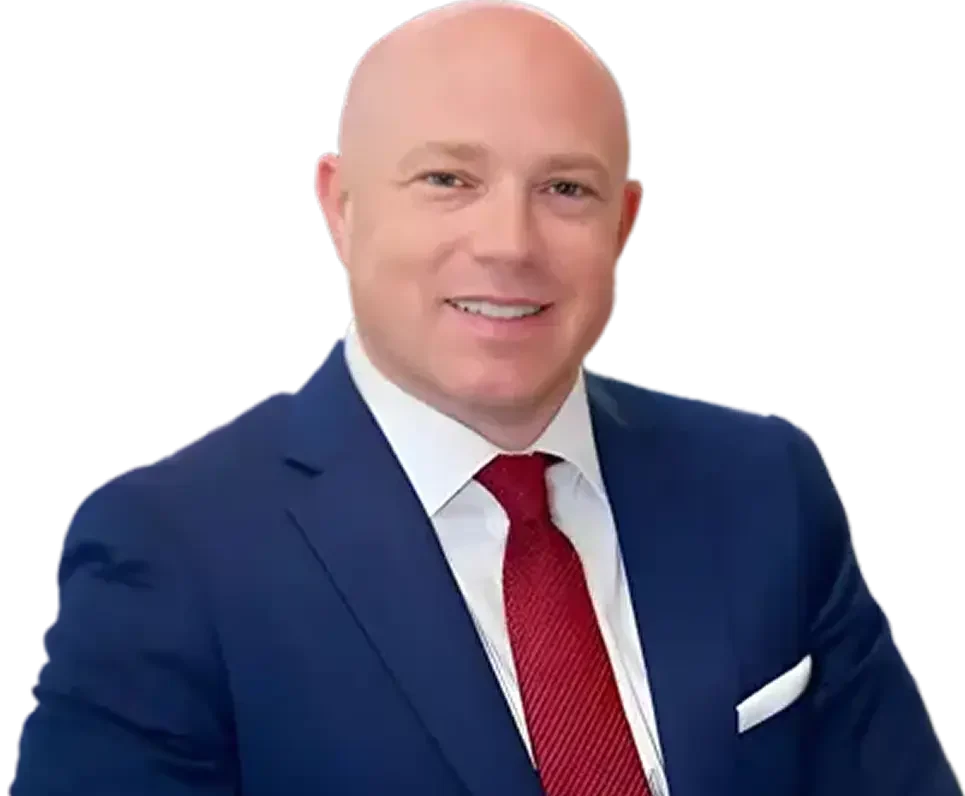
We’re excited to spotlight a great local business as we bring on the first guest on the Overruled podcast. Today we’re joined by Machi Medrzychki, CRPM, who is an owner of MLM Incorporated and someone we’ve gotten to know well.
Machi and his team have built one of the top commercial and residential contractor firms around New Orleans, and we’ll learn more about how he’s found success personally and professionally.
0:27 – Our take on the election recall of the current New Orleans mayor and the legality of the deal made by the Secretary of State
7:28 – FBI Director Christopher Wray testimony on TikTok and the security concerns we face on social media.
10:16 – Machi’s take on David Carr and then into his background in construction.
19:50 – Who is MLM and who do they typically work with?
21:53 – How he leans on meditation to balance appreciation for the journey and the urge to think about where you want to go.
28:36 – Why he feels his ability to keep calm is his business superpower.
How’s it going y’all? David Vicknair and Brad Scott here. This is the Overruled podcast, brought to you by Scott Vicknair Law. We’re going to jump right back into our hot topics to start the day. Brad and I each have a hot topic and mine is related to the election recall of the current New Orleans Mayor, LaToya Cantrell. The particular issue I want to talk about, Brad, is the legality of the Secretary of State deal that he cut in the recall’s litigation filed in front of Judge Jennifer Medley here in Orleans Civil District Court, related to the number of signatures that are needed to trigger the recall election. So, this was basically just to get the calculation. How many they need in order to get everything moving, correct? That’s right. Just a quick primer. So, what the election law says, at the time a recall is filed, you have to get 20% of the active voters on the registration list with the local parish registers office to sign in the very arcane process of the recall, signature process, to trigger the recall election. And apparently, they hadn’t cleaned up that list in a while, it sounds like. Very unclean. So, the recall campaign hires a private company who canvases the Orleans Parish Register’s rolls and finds tens of thousands of voters who either were dead, had never lived in Orleans Parish for 30-some odd years, had moved into a different parish, many of whom who moved out of state. In fact, Fox 8 had some examples and they kept these particular voters anonymous but for one, for example, Miss Emily, she would be 116 years old right now. She was listed as an active voter. Even though her obituary shows that she died in March of 2006, so nearly 17 years, 19 years ago.
Another Kim, she’s an active voter in Orleans Parish at the time of the recall’s filed, but exhibits in the litigation show that the last time she voted in Orleans Parish was 1985, the year I was born, 37 years ago. And that record shows she moved to San Francisco in 1997, but she’s still listed as an active voter here. Makes you really think, what’s the process in the city for cleaning up these voter rolls or whether they even do it? And whether or not the state as a whole is forcing each local register in every parish to actually canvas annually and clean up those rolls. So, the local register here gets dismissed from the lawsuit, and then the recall campaign enters into a settlement agreement, a consent judgment, with the Secretary of State’s office where the Secretary of State consents that at least 25,000 active voters on the day the recall was filed, were not active voters for purposes of state law, triggering the recall. Which would have lowered the recall campaign’s mandated signature goal from 49,000-something down to 44,000-something, a difference of 5,000 signatures needed, approximately 10% of the 49,976,000 that was previously required. Critical issue because at some point in time before the signatures were submitted, before Motigra, the recall was publicly saying, at least, that they were about a thousand short of that 49,000 they needed. And as most observers have noted, you can anticipate that at least 10% of those signatures will get knocked out as not qualified, recall signatures not following the proper procedure. And so those 5,000 votes could turn to be critical. It make a big difference. At the time of March 22nd, when the register goes to the sec to the Governor and certifies whether or not the goal has been reached. Which, big picture, tells us, what is LaToya Cantrell’s legal strategy here? Why has she not, for those of you who would not know, people who are interested parties under the intervention article, can intervene in cases that they have not been named. She could have intervened in this litigation and had lawyers brief and fight, against this consent judgment and argue that it was illegal, to stop this train from moving forward. And so, as you and I were discussing before the show, is her strategy here, I mean, you’re a big procedure guy, big picture thinker on this type of thing, is the strategy here from your vantage point, wait? Let them do all this, and then at some point in time, her legal team files an injunction and tries to enjoin her from getting on the ballot if the recall is ultimately successful. What are your, what are your thoughts? Well, I think you’re first assuming that there’s logic at play here, in the strategy. So, you know, you don’t know.
You don’t know what’s going on behind the scenes, what they’re thinking. But it seems like an odd thing to let the Secretary of State just enter into this agreement, effectively reducing the number of people they need to sign this ballot, this recall ballot. You think you should take a cha- try, a try, try challenging that at this point in the game, do something about it. And not just let it play out this way, right? You don’t want to always get concerned in litigation that if you let something get too far, the practical nature aside from how the law should or should not apply, is going to impact the judicial process. You want to hit it head on. Correct. It’s easier to deal with it before it happens than to fix it after it happens. Yeah. And we deal with that in cases all the time. So it’s, it’s, it’s a curious situation. I, I mean, I’ve been following it and I’ve been very interested from the legal standpoint why she had not intervened. Yeah. If I was her attorney, my advice would be, you need to intervene because you don’t want to let this train get so far out the ahead of things that a judge later on is going to say, well, if I rule this way, then I’m going to be unwinding a lot of money that the state spent putting you on the ballot and create a mess. There’s a lot of momentum that takes goes forth after this, and it’s already kind of getting out of the gate. So, I mean, if you’re going to stop it, it seems like now is the time. Procedurally, do especially with a, you know, a politically charged item like that, it’s going on. And then the other thing to think about from a legal standpoint is, is it legal for the Secretary of State to do this? Yeah, you mentioned that. I mean, what authority is, and I don’t know, we haven’t looked at it, but how does the Secretary of State enter into that type of agreement without at least some findings of fact or a trial or something taking place? There have been some local election lawyers who have commented on it and had opinions, but part of the problem is there’s really a dearth of, of election law challenges.
There’s not much case development on recalls in Louisiana. For example, comparing like California has a robust and thorough history of recall elections, and so there’s been a lot of case law developed in how you handle these types of unique legal issues that pop up in recall campaigns, but it hasn’t been tested here. And so the it is an open question on whether or not it’s even legal for the Secretary of State to come in and say, oh, I’m going to change what the active voter list was six months ago back when the recall petition was filed based on a settlement agreement entered into between the parties. So that’s an open question here is whether his settlement is even legally binding, which could be critical. At the end of the day, we’re talking about 5,000 votes. The only thing for sure is that I would guess is we haven’t seen the end of it. Correct. So that’s my hot topic for the day, legality of the settlement in the recall campaign. Yeah, we’ll see how that plays out in the court. Seeing that kind of got my attention the last couple of weeks is FBI Director Christopher Ray has been testifying in Congress on the TikTok issue. And if you haven’t seen there’s been a big push now to maybe ban TikTok nationally throughout the whole country. I told you I’m not affected because I’m not on the TikTok. Whether you’re a fan of TikTok or social media or what not, it doesn’t matter, but, you know, this has implications as far as expanding federal powers and things of that nature.
But it got me thinking, and something happened week before last, over the Mardi Gras break. We were traveling from Orland to Tampa in a van with the family with us. And we’re all in the van talking about gun issues, handguns, concealed weapons, concealed carry permits, gun control, stuff like that. Within 10 minutes of us finishing that conversation, my phone dings with a text message. It comes in, it was a direct mail, marketing text message, it was pushed to my phone for a local vendor in the area right off the interstate. Never dealt with these people before, never even been in the area before, but that message comes across. And we always kind of joke, are they listening to us? Or our devices spying on us? I was the only person in the vehicle with an Android phone, that maybe had something to do with it. But it got me thinking about, you know, the FBI saying that TikTok screens of national security concerns. And what kind of kicked that off, by the way with TikTok. This came out during the Trump administration as well. There was some investigation that indicated that the parent of TikTok was using the data from TikTok to actually surveil and watch particular people in America. And that kind of set people off, it was some journalists that did a story on them as well as some politicians. And that got the ball moving with whether they should be banned because you have this foreign entity kind of spying on Americans. You think the Chinese government surveils people? Of course not. But the, the, you know, that’s what started the process, and it really got me thinking and kind of looking into this stuff, you know, as far as what they’re tracking. You know, TikTok currently has over a billion users. It’s 138 million subscribers just in the US. That’s a lot of people out there. But more importantly, I saw a statistic and I didn’t in fact check any of this stuff, but if you had to guess David, social big social media, big data, you know, they track our demographics, you know, where we live, what we buy, or web searches and stuff like that. Would you believe if I told you there’s an article I found that says that Facebook, as far as the traits they track per user, 52,000 individual traits. I didn’t even know I had that many traits to track. But apparently Facebook does. And those are the data points they’re collecting on particular users. I thought that was astounding as far as the amount of data they collect on us. And just one last statistic, Facebook per day is collecting data for petabytes of data per day. And a petabyte, that’s a million gigabytes of data. That’s what we’re up against as far as big data collecting and surveilling us.
Well, I can tell you I definitely do not have 52,000 traits. But it’s terrifying to think that they’re storing that much information on us. Yes. All right, we’re going to go straight into our guest today. We are lucky to have Machi Madraki, the owner and principal of MLM Construction, a local construction company, who has been in the New Orleans community for nearly 17 years now on both the commercial and residential construction business. We’re excited to have Machi here today to talk about business, business growth, development, leadership, and lessons learned over the years. All right, Machi, so, so excited to have you on the podcast this afternoon. I know you’ve been a close friend and client of both Brad and I for many years now, and we know you well. And so we’re really excited to talk to you about, your business, how you got started in the construction industry, pick your brain about, different areas of your experience and from a leadership and business development perspective.
But before we get into all that, I know you’re a big Saints fan. So, Derek Carr, your thoughts, go. Derek Carr. Well, I’m glad that we are making a change. Is it going to be a better one? We shall see, but, I feel optimistic and, hopefully that’s going to elevate the team and, team spirit, and hopefully we can, get behind it as well. That was very politically correct. Do you think it’s going to be better than James or Dalton? Yeah, I think, the bar is set pretty low, so, I think so. All right, so let’s just jump into this, Machi. First, I was hoping you could tell our listeners a little bit about your construction background, just for our listeners to know, you’ve been in construction for a while now. Tell us, tell them a little bit about you, how you got started in construction, and how your business has developed over the years. Sure. We started the, I started in construction personally in 2003. So it’s been 20 years. It’s going on 20 years. I’ve started in Florida. I was a very fortunate, I had a really good mentor in construction. Gentlemen that taught me everything I know how to do with my hands, was extremely, knowledgeable in actual application of construction. So I get to work on a bunch of different custom, builds, from entertainment centers to custom bathrooms, some roofing just to pay the bills, some exterior work and so forth and so on. So I got exposed early on to a plethora of different trades, which, allowed me to learn real quick, a little bit about everything.
Now, I’m a master of nothing, but I know a little bit of everything. So that was a good news. Now, as good as he was a mentor for the construction, knowledge, he was not so good in business. So we part ways, I think two years after, working together. And it was a, mutually, beneficial split because he was not pursuing the business part of construction as much as I wanted to. So I went on my own. That was in 2004, 2005. And what we started doing, we started subcontracting work from different, general contractors, still back in Florida. Well, then Hurricane Katrina hit, which presented, a large opportunity for, different investors coming into the city, buying properties, and they brought myself and my crew along with them to work on a houses and rebuild in New Orleans, which allowed myself and MLM Construction to thrive and have a, a boost of business, which allowed me to, to speed up the, what I say, the development of the business. Obviously we made all the mistakes and there’s nothing wrong with that. We learned from the mistakes and still making mistakes, and, and thankfully not as big ones.
But generally speaking, that allowed us to be in the market of New Orleans, full, full speed, real quick. And, just from there, it was a marketing and just doing the good work and making sure clients are happy, making sure that we listen to them, very, very clearly, listen to their needs and just do what we say. Yeah, that’s an interesting point you brought up about mistakes. And, how do you view, how do you view mistakes now compared to when you started your business? Because and, and my question is, what I’m really getting at is Brad and I talk sometimes whenever mistakes happen at the firm, when I was younger, I used to look at them and that be like, you know, all hair on fire and upset that a mistake happened. And it’s weird. Now, I’m almost excited about it from the standpoint of how do we fix the process? How do we fix the system? What has happened in either Brad or my practice group that led to that to make us more efficient and not prevent it from happening again. Have you had that evolution at all, and, and can you discuss that? Sure. I think any good leader in any business has to have that revelation at some point, if they want to be successful on a grander, broader scale. And answering your question, yes. I think, any young entrepreneur in any industry, is going to be exposed to certain amount of mistakes. And the sooner they can be made, and the sooner you can be self-aware of those mistakes and fix them permanently, and then just absorb another wave of mistakes, and just keep doing it more efficiently and quicker, the faster you’re going to get wherever your journey is leading you and whatever the ultimate goal is. So, I’m no different than you, but, I mean, this is, this is part of the journey. When I was younger, it was eating me up. I mean, sleepless nights and thinking and reminiscing, why it happened, and just kind of trying to control and uncontrollable that already happened. So now, from the years of doing it, is you will still make mistakes. I mean, that’s never going to go away because market changes, we are exposed to clients and clients are people, and everybody is different. We are all exposed to our own set of circumstances in our personal lives, so that affects how we interact between each other in business.
So, yes, a lot of mistakes, a lot of standard operating procedures that got created, checklist and operating procedures, business plans, and how to counteract the mistakes that are reoccurring. And the new mistakes, you know, thicker skin, right? Like we all developed thicker skin over time. So, now absorbing those mistakes is much easier, just because we know from the experience, okay, they’re going to happen. So what is the right answer? If it’s a mistake that is caused by our team, well, who’s responsible? Like, I am the last line of defense. So ultimately, everything is my fault. Nothing is anybody else’s fault because ultimately I have the right to say yes or no to something. Sure. But I’m a firm believer in letting people make their own mistakes because I feel like they learn from them permanently. Now, obviously we’re not going to try to let them make mistakes that they are critical to the business, but something that is easily fixable. I feel like the team learns and develops and mesh together much better and ultimately makes the whole entire culture of the company healthier. And we all, we all get together in a, in a like a family setting, rather than, oh, he’s the boss, he blames me for stuff. You know, he’s always, nothing is his fault, but we, we, we don’t do that. And I, and that’s like the best advice I can give to anybody in business. Just, just always feel like everything is your fault and it’s just going to be okay. And that kind of ties back into what you initially said about having a mentor. You know, a good mentor is somebody who’s made all those mistakes and kind of pass that knowledge on to you or whoever they’re mentoring, so you can prevent making all the mistakes that they made. Have you had an opportunity to maybe mentor other people now that you’ve reached this point in your business?
Great question. I am, I am a type of person that I don’t like to preach. So, human nature is funny, right? Like we, we, we as humans don’t want to make any mistakes. Yet we’re not going to listen to others when they preach to us, right? Like I remember when I was younger, my dad would tell me, oh, don’t do this, don’t do that. I’m like, yeah, yeah, yeah. And, and obviously he was right, I was wrong, but I would never admit it. So, I like to, I like to, find, I don’t necessarily pursue mentoring other people. I like to do it with the subcontractors that they, I feel they are open to receiving the mentorship. And we have subcontractors that we work with for many, many years now, right? Right now going on decades, that, absorbed some of our standard operating procedures, to a certain degree and they modified it for their liking and their needs. But they, they definitely benefited and our company, number one, because now we are just so much tighter together working on projects. But also I believe they got elevated in their own personal development and business development. And I, I want to hit on something you said, Machi, about the journey, but first, I don’t want to go further into, can you tell our listeners a little bit about MLM Construction? What, tell them about the company, who is your ideal customer, just tell us a little bit about your company. Our customer base is very diverse. Like we don’t have a specific from the perspective of, profession. We have attorneys, physicians, business owners that we work with, we work with Fortune 500 and even Fortune 50 companies on a commercial level. Mostly, the residential side of our company is that we do historic renov City of New Orleans obviously has a lot of those. So we would, got the property, rebuild it to your liking, camelbacks, that type of, buildings. We do new constructions as well, on a higher level, as far as financially is concerned, so more of the custom built structures. And then we have a separate division that handles solely bathrooms and kitchens and we do design and construction. So essentially if a client comes in and has zero idea what they want to do, well, they have some sort of concept, but like as far as the drawings and budgets, we can lead them, step by step, by hand and develop the drawing, develop the scope of work, go from pre-construction, hand it off to a construction services and then to a post-construction services.
So it’s a one-stop shop, for residential contractors. On commercial level, it’s a little bit more, straightforward because usually we work with architects. They submit us, set of drawings. We, we do a hard bid with our vendors and trade partners, and then we present a scheduled volume and we, we construct the project. But, but generally speaking, business plan is the same for both arms of the company. Gotcha. Earlier, Machi, you were talking about the journey, and I know that you kind of think about these things because we’ve been friends and and kind of high-level talked about these things besides you just being a client. How do you balance the journey in business and in business growth and development with that constant urge to always be thinking about where you’re trying to get? In other words, appreciating where you are now compared to where you used to be, how do you personally deal with that? Well, that’s a great question. That’s actually a very good question because, any business friend that I have and majority of my friends, I did meet through the business or business venture, like you and I, we met through business, one way or the other, doesn’t matter which way you’re going to look at it. So I get a lot of feedback and, and a lot of business owners have a tendency of overthinking and rehearsing for good or bad, and, and they always feel like they’re just not where they should be in their own mind, at that point in their journey. So, I was no different. It took me, a long time to come to the senses of, certain things cannot be rushed, and they have to take their own place and they have to develop on their own. So meditation is number one thing for me. I, I found a peace in my mind by meditating. And, a lot of times it’s a gratitude meditation, to where you just look where you’ve been, a year ago, two years ago, three years ago, and see where you are right now in your journey, and then you say, okay, well, if I’m going to say in the last two years, we took all those steps, and we are where we are right now.
The next two years, they cannot be any worse than that. They cannot be at the minimum the same, but we have a potential to make them better. So, it’s, it’s a very valuable tool, at least for me, that allows me to find that daily drive. Motivation is a bad word to use in my opinion because it wears off. It’s a baby steps. One, you know, one day at a time, like don’t overthink stuff. Like just do one more thing a day. Just, just that one thing, that one more email, that one more estimate, that one more phone call. I mean, it’s not that complicated. You just got to be able to compartmentalize it in your head in order to find the peace with yourself. Yeah. That’s a good point. I think Brad would probably agree. We talk about this all the time, is it’s like the consistency of pushing forward every single day, right? Just moving the ball forward a little bit every single day. And before you know it, the ball’s become a lot bigger. It started small, but you’ve done a lot of things every single day consistently over time. It’s almost like the flywheel effect. Yeah. It’s the little small, you know, small steps. The easy things they’re the things that are easy not to do every day, that you can overlook, is doing those little things all the time, doing them consistently, which adds up and you mentioned meditation, I’m a big fan of meditation. What’s your personal meditation strategy, do you use like apps or something or how do you implement it in your life? So that’s a journey within itself. Yeah, the, the, I used to do guided meditation, which, well, I’m going to even take one step back. Quite frankly, in the beginning, I thought it was stupid. I’m like, I’m sitting right there, it’s like, what am I supposed to think of, right? Like three seconds into it, I was like, I can more important things to do, like, but this is a waste of my time. And, and I said, I’m going to give it a shot.
So, and again, it’s a consistency. So I was doing it very sporadically, couple of times a week, but what I found very quickly, like within couple of weeks, maybe a month, I found that I can calm my brain down by just focusing on my breathing. And it wasn’t necessary that no thoughts were coming into my mind. I don’t think we have the ability to completely disconnect. It’s just focusing on the breath or where the breath is going. That and guided meditation is great for that because you got a voice that leads you through it. So, you know, you start with three minutes, five minutes, 10 minutes, and you kind of progress through it. At this point in my journey, personally, the meditation journey, I don’t necessarily do a guided meditation anymore. I can literally doesn’t matter what’s happening in my life, I can just stop what I’m doing and take 10 minutes to myself and completely disconnect and focus on myself. On, well, focus on on breathing, on just being peaceful and mindful. I cannot overstate the importance of it for anybody. Whether it’s a business journey, personal development, or just day-to-day operation. It’s a great tool for this regaining your focus and, I’ve seen, I’ve seen it referred to as taming that monkey mind. So your mind’s just not all over the place. And trying to think of a hundred and one things at a time. It’s a good way to focus it on things. So it’s been, it’s been a valuable thing in my life as well. Yeah. So, so, you know, my analogy to that is like, if you have seen the lottery, and you see all those balls bouncing around before they get sucked into the tube. That’s usually how the human brain, I would make it look if I would have a option of making it look right. Like we have bombarded with hundreds of thoughts a second. And be able to calm it down and extract the important parts of your thought process is something that meditation will allow anybody to do over time. But it’s like anything else in life, like you got to practice it. You got to, you got to enjoy the journey and don’t look for the ultimate destination. All right, two rapid fire questions before we wrap up our conversation, this afternoon, Machi, first, one business development or personal development book, if you had to recommend it. Go. What would it be? Business development, the flywheel is a good one. The, how to, make friends and influence others, that’s not a good one. What’s the other books that I can recommend? What am I, what am I on right now? Let me just look at my cheat sheet real quick. And I’m going to tell you exactly what I’m going to recommend because I’m, I’m a big fan of those.
So right now, I am, on the book, Stillness Is the Key. That is by Ryan Holiday. That’s a stoic, philosophy. Great book. It’s really helpful with meditation, but I think that’s something that is a next step, for, for a lot of beginners. What’s the other one? I also remember Ego Is the Enemy as well, I think. Yes. That’s another one of his. What else we got right here? I mean, there’s a bunch of different ones, but that’s probably the one that, that I would recommend right now. Okay. And last question. Give us your superpower. What is the one thing if you had to say that you do that you, you think the quality, the trade that you have is your superpower in your business? I can keep calm. Under any circumstance. I can, I can take my time, remove myself from the situation and think about it before I answer. And not always a common thing in the construction industry, is it? I would, I would venture to say that actually quite opposite. Yeah, right, right, right. Well, look, Machi, thank you so much for being a guest. We loved this discussion with you this afternoon. Machi Medrzycki , MLM Construction. We really appreciate you being a guest on Overruled. And we’re looking forward to talk to you soon. Take care, my friend. Take care. Thanks, you guys. Pleasure talking to you.
All right, wanna thank Machi, for joining us today on the Overruled podcast, Brad. I thought between the topics on the recall, legal issues along with your, facts about TikTok that are going to terrify me and keep me up tonight. We had a great discussion with Machi on business development and growth. It was a great show. Once again, we enjoy doing this and, hopefully, it’s some useful information for everybody out there. All right. Have a good one. Take care. Information is for illustrative purposes only and does not constitute tax, investment, or legal advice. Always consult with a qualified investment, legal, or tax professional before taking any action.
Let's Get Started on Your Case
NO FEES Unless We Win!
Insights and Updates from Our Legal Team