JOIN US FOR FREE 4HR OVERRULED CLE NOVEMBER 5th @ LOEWS HOTEL
Absolutely NO FEE Unless We Win!




Jul 2024 | Overruled with Scott Vicknair
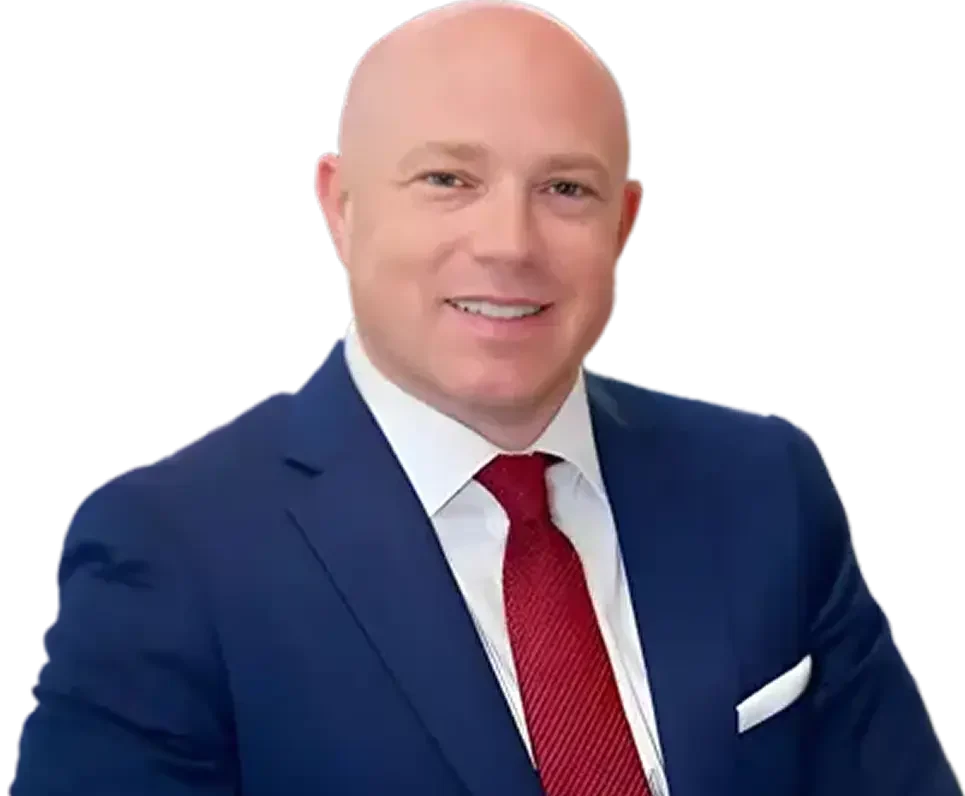
We’re excited to welcome on Mike Alder, a Louisiana-born, California-based trial lawyer who’s found success through mentorship, giving, and humility. In this episode of the Overruled podcast, Mike shares his path from LSU to sunny California, his trials and triumphs, and the importance of being a mentor. Discover how embracing failure as an event, not an identity, can be the key to success and get ready to be inspired by Mike’s life lessons, his passion for giving back, and his unique approach to law and life. Plus, learn about the Z.A. Ranch in Covington, Louisiana, a beautiful property he and his wife are developing to use as an event space, a place to gather, and a rental property.
Here’s what we discuss in this episode:
0:00 – Intro and background on Mike
2:07 – Move from Louisiana to California
6:12 – Mentorship
13:52 – Lessons from trial verdicts
21:40 – Building a ranch in Louisiana
29:10 – Favorite book & growth
38:56 – The power of consistency
41:28 – Mike’s superpower
Learn more about the Z.A. Ranch: https://www.za-ranch.com/
About our guest: https://alderlaw.com/
Injured? Begin the process here:
Scott Vicknair Injury Lawyers: https://www.scottvicknair.com/
Car Accident Lawyer: https://www.scottvicknair.com/new-orl…
Truck Accident Lawyer: https://www.scottvicknair.com/new-orl…
Motorcycle Accident Lawyer: https://www.scottvicknair.com/new-orl…
Probate, Succession and Estate Legal Needs? Visit Scott Law Group – Estate Counsel: https://www.louisianasuccessionattorn…
Scott Vicknair, injury attorneys, we fight for the win.
Good morning everybody, welcome to the Overruled podcast, brought to you by the Scott Vicknair Law Firm, this is David Vicknair, along with my law partner, Brad Scott, good morning Brad.
Good morning.
And we’re excited to bring you a great episode this morning, it’s a beautiful day in New Orleans, we are about a month from the humidity coming back into our lives, but we have a great guest this morning, it’s Mike Alder, who is a very accomplished and prolific trial lawyer in Southern California, but also, side note, originally from Louisiana, received his law degree in Louisiana, and we can’t wait to talk to Mike about some lessons he’s learned in his life and law, but also, more importantly, some neat ventures and things he’s done outside of law. So welcome to the Overruled podcast, Mike, we’re excited to have you.
Thanks, yeah, thanks very much guys, happy to be here.
So Mike, why don’t you just jump right into it and tell the audience a little about yourself, how you ended up in California from Louisiana?
I grew up the son of a traveling preacher, my parents met at a Bible college in Tupelo, Mississippi, and my mom was from Washington Parish, the Angie, Enon, Bogalusa area, and ultimately, when I was about four years old, after traveling they couldn’t really make it as preachers, and they were teachers, and we moved to Louisiana, that’s where I grew up, that’s where I’m from. I grew up in Folsom, went to school in Covington, then LSU for undergrad and law school, and loving life, have had as many experiences as anybody you can think of, good, bad, and ugly, otherwise beautiful, and I’ve learned a lot, and six kids later, two wives later, it’s a beautiful life.
And you still have all your hair, so I’m very impressed.
Well, I don’t know, when you moved to California, doesn’t your hair grow, is that what I need to do?
All right, I’m coming with you. So how did you end up in California, that move from Louisiana to California, how did that take place, what’s the story there?
So if y’all have a lot of listeners from Louisiana, I was at LSU in a fraternity, and I’m drunk on the front lawn of my fraternity at 19 years old, back then it was legal, I could drink, I was grandfathered in, and I met this woman, and she said, well, what do you want to do, and I said, well, I’d kind of like to have another beer, what do you want to do, and she said, well, I’m going to go to law school, I’m going to move to California, I’m going to become an entertainment lawyer, and I was like, law school, huh, sure. Anyway, we got, I got married at 19, and we did move to California, through a year of clerking for the Mississippi Supreme Court, my former wife was number one in our class for quite a while and clerked for the U.S. circuit, I then got a job on the Mississippi Supreme Court for a year, clerking, and then moved to California, and she did become an entertainment lawyer, and interestingly, I didn’t know what kind of law I wanted to practice, I thought I wanted to be a tax lawyer.
Oh, that’s exciting.
But thank God, I’m a very giving person, so I helped the top 50% of my class get there, so my grades were not good enough, thank you Lord Jesus, to get a job as a tax lawyer, but one of the justices on the Mississippi Supreme Court, a guy named Chuck McRae, phenomenal person, was a trial lawyer, and he would tell war stories, and I was like, that’s what I want to do. So I moved to, I don’t think I’d ever been west of Houston until I was like 25, here I go to LA, I interview, I’m 0 for 7, and the eighth person offers me a job, I go, yes, he goes, well, you don’t know how much it costs, I’m like, I’m married to a sugar mama, I accept. Anyway, that job didn’t pan out, he was kind of a rolling older gentleman, but he was the generation of trial lawyer before the generation of trial lawyer I then interviewed with, who said, look, if you’re good enough for a man named David Harney, you’re good enough for me, and so I went to work for a guy in LA who mentored and was the mentor for many of the best trial lawyers in LA, and so four years of just trying and figuring cases, back in the 90s. So when I opened my own firm 24 years ago, I was young and had one case, but I had learned a lot, and so when I put the word out that I will try anything that moved, turned out I was a lot better at it than I thought I was, and then as soon as you start winning, and then I won this big award in LA, Trial Lawyer of the Year, back when I was the youngest to ever win it, and then everybody wanted to know me, and then the cases came, and then the bigger cases came, it snowballs, you know.
Yeah, it snowballs.
And to the detriment of my marriage, to the detriment of my older children, candidly, I have learned quite a bit, I got divorced, remarried a few years ago, inherited two beautiful bonus daughters, and I have two little boys through surrogacy, so we have six kids between us, and going through all of that, and between the marriages, thinking I’m all that in a bag of chips, and actually hitting rock bottom.
It resets things, doesn’t it.
It taught me a lot, and so I don’t take things for granted nearly as much as I did, and I appreciate life way more, and so now I’m a trial lawyer, but I’m a rancher, I’m a country guy, a life-skills guy, I spend a lot of time helping less experienced people, they’re not younger, because that would mean I’m older, less experienced people, figuring out how to get through stuff that we’ve all gone through.
Good life. One of the things we always talk about, you brought up in that intro, is mentorship, a lot of your life, career, and the path you’re on started with mentors, and now you’re at a point in your life where you’re able to mentor other people as well, and that’s one of the things we always tell people, no matter where you’re at on your journey, there are people behind you who can definitely use your experience and learn from you, and there are also people ahead of you that you can get into mastermind groups and coaching places with and learn from. So you always want to be looking at mentorship from both perspectives, and it seems like you do a lot of mentoring, always trying to help those people behind you on that journey, what are some of the things you’re doing out there, I know we’ve seen your YouTube channel and stuff, how important is mentorship for you and passing that on to that next generation?
The passing it on is a byproduct of a much bigger thing, and I say this, I said to my parents, particularly my dad, he got smarter the older I got, right, so I’m waiting for my daughter to get to that point to realize that about me. You guys probably know, Pentecostal preacher, fire and brimstone, scared the crap out of me, I was like, I moved to liberal California, I’m out of here, but I realized I picked up a lot of things that had benefited me, giving became just part of my DNA, but not in a way that’s solicitous, I find the more I give the more I get, I find the more I help the more help I get, the more money I give away the more money I get, the more love I give away the more love I get, and it’s a benefit to be able to help. So mentorship is really just a function of the greater idea of giving, in all the ways you can, I give to lawyers through mentoring, but we’re very, very active in our community, because it’s a wonderful thing and you get back from everybody, that doesn’t necessarily have to be mentorship in law, it can be mentorship in mindset, mentorship in health, I’m in my mid-50s and I have a lot of guys who say, I look for your story on Instagram every morning in the gym so I can hold myself accountable, and you actually will text me and say, hey, what’s going on, how’s it going, whatever, when I fall off the truck I’m like, let’s get back on the truck, screw it, failure is not an identity, it just happened, let’s get over it, let’s move, that’s mentorship, that’s giving as well, but you know what it also does, it means I have to get in the gym every morning because people are going to watch me, so it helps me as well, it pushes you.
Absolutely it does, people are looking, it absolutely does, and it’s all good.
You know, I can tell from talking to you, you have a similar mindset to us, of abundance, there’s plenty enough for everybody, you can give, and unfortunately, in our profession, we see it a lot with a lot of attorneys, they have the opposite, they think everything’s a limited resource, they want to corral everything, and we’d love to see people like you who have that abundance mindset.
Very refreshing, it’s important.
Well, and I can see that you guys believe that getting ahead does not mean someone else has to be behind.
Exactly, exactly.
The whole idea of all boats can rise is really a mindset we share, and if people say, well, that means you’re weak, that means you give excuses for not being successful or not winning, there can only be one winner, and you saying there’s more than one winner means you’re a loser, you know what I do with that, I say, I appreciate your opinion, I really don’t want to be around you.
Right, later, right.
And you know what, that’s the way you live, everybody has their own spotlight that we all think is on us and us only, and everybody feels that way, so we all have the thing we think is us central, but we’re all living our lives, and once you realize that, you can kind of say, I get it, go live your life, you’re just not going to deal with me, and I’m fine with that.
That makes me think of, before Charlie Munger passed away, who was Warren Buffett’s longtime partner, he had that great quote, that the great lesson of life is to take toxic people and immediately remove them from your life, so I always remind myself of that, because in business, in law, or anything, I think Brad’s right, and you’ve probably seen it, Mike, a ton of lawyers have that mindset, but the truth of it is, a lot of the stuff we do at the law firm, from a training and business coaching and growth perspective, we’re always talking about the law firm as a team, and I think of a lot of this stuff in a sports mentality, competition’s good for any team, but we want other law firms we compete with to be strong, because they give the public better representation options, they give a better light on the profession, and we don’t view it as competing with them, we view it as doing our own thing and strengthening our own team, it’s win-win for everybody.
Well, but let me ask y’all’s listeners this, okay, especially if you’re a lawyer, you just settled a $10 million case, you’re so excited for your client, who has a life-changing event, for your firm and your family, everything, a life-changing fee, and then tomorrow you see someone just settled an $11 million case, does that have anything to do with your $10 million settlement?
If it does, take a look.
Absolutely, right, and candidly, when I recognize that, which happens all the time, what do I do, I delete Instagram, because it’s such a natural thing, right, you know, I’ve got three billion dollars in settlements and verdicts, and if I’m pissed off when somebody gets four, I’m like, I need to reset, I need to go out in the sun, I need to hug my child, hug my wife, do something, because that’s a zero-sum game, because there’s always somebody faster, prettier, stronger, richer, more hair, less hair, always.
100%, but really the magic in it, from my perspective, Mike, is acknowledging that we’re all human, and it’s okay to have that initial reaction, but being introspective enough to recognize it and stop it when it happens.
Exactly right, you’re 100% right, that catch is really important.
I have to ask you, of all the successful verdicts and settlements you’ve had, and I do, because we have a lot of non-lawyers who listen to the podcast, and I think this discussion will be insightful for life and other businesses in general, aside from just law, from my vantage point I’ve learned way more from the cases that went to verdict that I lost, or even if we weren’t zeroed, we didn’t get everything we asked for, I learned a lot more and became a much better trial lawyer in those cases than in the ones where we got multi-million-dollar verdicts. So I’m curious about your perspective, have you learned more from the cases you lost or that didn’t go the way you anticipated, or a little of both, could you give some perspective on the lessons you’ve learned from the failures versus the successes?
Those are tough questions, a lot easier to think about like a normal answer, I learned way more from my losses, right, my losses sucked, and most of my losses I didn’t see coming, I had convinced myself by the end of my closing argument that I was 100% right, but later on when I go back and look at it, I realize that had I put this in more perspective, maybe I would have done things differently and looked at it differently. The biggest verdicts I’ve ever received are really where the other side has misread the case completely, and the biggest losses I’ve had are where I’ve misread the case completely. I can answer that in a way of, well, a loss makes you work harder, makes you humbler, you know, more humble, etc., but really it’s a step back with an overall perspective that you’re going to have wins and losses, you’re going to have things that are not fair, and there’s going to be times where it’s not fair in your favor, that ability to kind of keep consistent, keep going with that perspective. When yesterday we asked the court, we got a trial in two weeks, and we asked for another two-week extension just because something happened, and they kicked the trial a year.
Yeah.
And you’re like, how do you deal with that, I mean, that’s infuriating, but then you think about it from a different perspective, and you’re like, okay, my first thought is, how do I help my client, and so those things you learn from wins and losses in experience, I know that’s not a very good answer, but.
No, I think you’re probably right, because I think it’s not as simple as cleaning it up the way you said it, and I think, in some ways, we had a very good result at the end of the fall last year, and my message to the whole team was, stay humble, because it’s hard to stay humble after you have a big win in business or in law, for what we do, but the interesting thing about our profession, Mike, which you’d probably agree, is it has an interesting way of humbling you.
I like to talk to, right, when you think, even if you don’t humble yourself, it’s going to find a way to humble you.
Right, from losses and failures, it really comes down to the person and their mindset, there are two types of people, some people get a loss, get a failure, and they blame everybody else for it, and other people look at a loss and failure and become very reflective, try to diagram and figure out what happened and learn from it, those are the people the success ladder goes a lot faster for, and I think it’s critical, I’ve learned a lot more from failing, and I’ve failed a lot in my life, but it’s figuring out what not to do, you have to have that mindset to reflect on it and accept some ownership and move forward and not blame other people for it, I think that’s really important, and Mike strikes me as the type of person who learns very quickly from those things and doesn’t repeat the same mistake.
Well, and I have two mottos in my firm, from a general standpoint we have a lot of things internally we talk about, but, to give unconditionally, ask for nothing back, you get back a thousandfold, and, David, you’re talking about, in victory be humble, in defeat be gracious, and I’ve changed my definition of humility, we all grew up in the South, right, humility means push it away, downgrade it, don’t accept it, I learned the humility that I now realize is probably not a very healthy way of being humble, being humble doesn’t mean you can’t appreciate the work and the things that have gone well, I don’t know what the word is, other than, a better word for you, maybe be respectful, maybe that’s a better way of putting it, because humble doesn’t mean downplay it, doesn’t mean not accept the benefits, to me now humble means, hey, what’s good is good, put it into perspective, and what can I do with this to help people, that’s a different definition than what I learned growing up, which was, humble means don’t tell anybody, don’t get too big for your britches, in a negative way almost, and I see it now as a positive.
It’s interesting, you know, sorry, no, that’s really, I didn’t mean to go off on a tangent.
No, it’s an interesting discussion, because I read something about six months ago and have actually been thinking about this on and off, I probably was raised with an understanding that humility is critical and important, one of the most undervalued leadership traits, but I also don’t think I really ever understood humility truly, it’s like, I used to look at it as, say, no, or verbalize to push it away and get it away from me, and I think I’ve kind of realized, reflecting on it, that’s kind of not authentic, it’s like if you just invite positive feedback and be respectful and thank people for it, that doesn’t make you any less humble.
Well, let me ask you, you got a great verdict last year, and I say, man, that was a great verdict, congratulations, what were we trained to do, ah, everybody, blind squirrel gets a nut every once in a while, oh, you know, anybody, at some point anybody, or how about, great verdict, wonderful job, thank you, I appreciate that, exactly, thank you, I appreciate that, we worked really hard and had a really deserving client, we were excited.
Yeah, sometimes we’re really bad at taking compliments.
I know, well, and we use the term, we want to be humble, as actually deflecting responsibility and ownership, and owning a good verdict is somehow being non-humble, that’s not true, but that’s what I did, when I was a less experienced lawyer, every verdict I received, the very next morning I didn’t talk about it in any way and pushed it aside and went to the next case because I wanted to be humble, well what I lost out on was the celebration of those wins, that quality hard work.
Interesting discussion. I’m dying to know about your ranch in Covington, and I want you to plug it, but tell us a little about it, I was looking at it before we did the show and it’s beautiful.
Gorgeous, huh, yeah, it’s really incredible.
So tell our listeners a little about how it came to be and your plans for the property.
So it’s on Lee Road, that part of Covington, I mentioned I grew up in Folsom, so it’s about 20 minutes from where I grew up, I’m licensed in Louisiana, took the bar in Louisiana right after law school, my parents are no longer alive now but they lived in Folsom all their lives, so I’d come back and visit, etc. Well, anyway, long story short, COVID happens, March of 2020, and in April my father, who was living in Folsom, passed away from COVID, and I had just gotten engaged, and my wife, who’s from East LA, had never been to the South, never had a ranch, that’s exactly what was on her mind. Well, we couldn’t get back here till like July because of COVID, and I brought her and showed her Folsom, where I played Little League, and went, and she’s like, you love it here, I’m like, Geaux Tigers, you love it here, and she goes, why don’t you own property here, and I’m like, so anyway, my sister-in-law was a real estate agent, and we bought the place sight unseen off the internet, turns out the couple wanted to move to Texas to be with their grandkids, so they sold us the two homes on the 35 acres, and we now have added property to it, they handed us the key, so we got furniture, etc., we were able to come in and move in and come visit right away. Of course, we brought people from Los Angeles who had never mowed grass, it came with a bush hog and a tractor and a 360 mower, so I kind of hit the ground running, and then the more I came, the more I realized I loved it so much, you use it, and then you realize, hey, let’s expand, let’s build out, so now we’ve built, we’ve added, we built a barn, the Flala event space, we now have animals, we have a pickleball and tennis court because I’m a big pickleball fan, a full gym, etc., and it just kind of happened, and the Za Ranch, my wife’s last name is Zabalza, with a Z, and my last name is Alder, so it’s Za Ranch, notice who went first there.
Right, David.
Well, I’m having a brocation in June, it’s my second one at the ranch, and y’all are welcome to come during the day, I’ve got people from Miami, Colorado, New Jersey, LA, we all stay there, sleeps about 20 to 30, so, speakers, Davey Seal’s coming in, and a person who’s going to talk about southern manners and also teach about wine, because I worked at a wine and cheese shop in Baton Rouge in college and learned a little bit about wine, just enough that I knew more.
That’s David’s magic word, by the way.
Yeah, I’ll be there.
But let me ask y’all, my knowledge of wine, which is minuscule, but it’s more than most people I’ve met, made me somebody to defer to, and wine is like the biggest fear thing ever, right, you get handed a wine list and you freeze, you’re like, I don’t want, so one of the things I realized is, we’re going to teach some manners, putting the woman first, the ranch does not belong to Mike and Gina, it belongs to Gina and Mike, when you address a note you address it to Gina and Mike Alder, Gina Zabalza and Mike, that you walk on the outside next to the road, there’s a lot of stuff, basically manners that, when I tell couples the woman usually says, yeah, I’m going to send my husband to that. And boys 15 or older, sons are welcome as well, but we’re also going to have a sommelier, and I’m going to show basic wine etiquette and knowledge, because I realized my little bit of knowledge in wine, I can name so many instances where I’d take the wine list, ask a question, and I don’t know crap.
Absolutely.
But then people would think I’m like a 10th-level master sommelier, I’m like, 100%.
So you’re right, those kinds of things, I’ve been collecting, I learned about wine from my uncle and dad, really my uncle, and then my brother and I really got into it, so I’ve been collecting for about nine years now, and it’s just like law, in that it’s very humbling, when you think you know something about wine, you really, and so everybody just generally thinks I know everything about wine, I know so little about it.
Glad you’re actually admitting that, but it is like law, wine is an era, the thing I think I’m drawn to about it is, if you’re a learner, like I can tell you or Mike and you want to learn and keep learning, you could learn about wine your entire life and keep learning and not know, even the most experienced sommeliers are still learning about different regions, of France, of Italy. So to come full circle on the ranch, we have somebody who lives there full time, takes care of the animals, and now we’re Airbnb-ing both properties, we have some land adjacent, 11 acres, and we’re building a structure there as well, we have events, my wife has Mardi Gras events there for women, I have men’s events, we’re going to have a couples event, and we had a wedding there, my nephew got married there two weeks ago, so it’s an event space, it’s an Airbnb space, but also a two-acre catfish pond, animals, ATVs, archery, and when my wife’s not there there’s, you know, weapons, you name it, it’s a fun place.
Yeah, what’s the website, we’ll put it in the show notes, but just so everybody knows if they want to rent it or use it.
Thank you, it’s Za, is in, Zebra, Za Ranch dot com, zaranch.com, and I’d love to have y’all come out, I’d love to meet y’all in person next time we’re there.
You know, I’m going to be in New Orleans next weekend for a wedding, but we’re not going to go to the ranch, we’re staying in New Orleans, but certainly in June I’ll be there. I’m actually going to be at a legal conference up in Detroit next weekend, Brad’s going to be with me, but would love to get offline with you and talk about some details about June.
Absolutely, I would love to come out to that event, legit, seriously.
I’m really interested to ask you this question, Mike, because I’m just fascinated by your perspective on a lot of things already, do you have a favorite book, and if so, what is it?
I’ll tell you, I don’t know if it’s favorite, but it’s the book that was one of the first books that kind of got me on a path, Chop Wood Carry Water, by Joshua Medcalf, I think I’ve given it to like three or four hundred people already, but it was one of the things, when I was really drinking too much, eating too much, partying too much, between the divorce and whatever, picking myself up at some point, and I remember that book was very central, it’s a quick read, it’s just a parable about a kid who goes to Japan, wants to become an archer, he goes to the dojo, and it’s the lessons the dojo teaches him, and the first one is chop wood, carry water, we need heat, we need water, and he’s questioning it, and basically there are basic things in your life you need to pay attention to, and it builds on that, you’ve got to go back to the basics, back to the routine, the consistency. And then he wrote a couple more books, co-wrote a book with another guy called Pound the Stone, I became friends with that guy, he was on my podcast at some point, Robin Sharma, The Monk Who Sold His Ferrari, the 5 AM Club, a lot of the stuff they’re talking about is what Marcus Aurelius talked about 2,000 years ago, Dale Carnegie talked about, Zig Ziglar talked about, Tony Robbins talks about, all the social media people talk about, that whole idea of excellence is not about talent, not about looks or money or whatever, excellence is a result of consistent, mostly ordinary behavior over time, to create good habits that you connect with other good habits to become excellent, and it’s not sexy, it’s not this big thing, it is hard work, and the beauty of that is, when we want to be successful, all we have to do is consistently step outside our comfort zone, consistently, over time, because 95% of people will quit. So I teach a lot of people, myself included, about constantly doing things that are uncomfortable, let’s talk about what you really don’t want to do, and I’m like, okay, let’s go do it, I’m not talking about jumping off Mount Everest, I’m talking about a cold plunge, running an extra mile, making your bed, taking a cold shower in the morning, but doing it consistently, to step out, and I really kind of plugged in when I read that book, now there’s a million since, but that’s where I’d start, that’s the book I give to people when they say, you have anything good to read, I’m like, start with this, I went to his publisher and bought like 500 books, just give them to people. By the way, I’ve also written a book called The Trial Lawyer’s Bible, I’ll send y’all a copy, in it there’s not only stuff for lawyers, but I wrote articles and sections about the stuff we’re talking about too.
I would love that, that’d be very nice.
It’s a good book recommendation, and it really is what you’re saying, it’s the little things and the basic thing, and then you repeat them over and over, because a lot of people’s thoughts on success is they’re waiting for that big home run to happen.
100%.
I actually have a sign on my desk in front of me every day, it says, big things get done by doing small things daily, and that’s the thing, showing up, consistency, I mean, you’ve probably read Stephen Covey’s Seven Habits, the whole idea of planning and showing up, sharpening the saw, and doing those little things consistently, that’s how success happens over time, it’s an age-old concept, it’s been done a hundred times in different books, but people forget about that stuff, and until you really start focusing on that it’s hard to make movement forward, a lot of people just kind of go sideways through life until they start planning things and doing them consistently.
It’s so interesting, I had a call yesterday from a guy I remember meeting in San Antonio, he called me, follows me on social media, he’s less experienced, he almost said younger, less experienced plaintiff lawyer, and he starts talking to me about, can you help me get myself organized, and I said, let me guess, and I went through the things, I said, I bet you’ve got so much to do, so much on your mind, so many dreams, so many things you want to do, that you’re many times paralyzed and can’t do anything, he’s like, how did you know that, I’m like, because that’s, I said, do you have written goals, no, do you have routines written down, no, I said, do you have goals, dreams, and routines, I do, so I referred him to something I did that’s on my YouTube channel, a goal-setting kind of thing I did with a bunch of people, and I said, do it and call me, he then sent it to me and I helped him become more specific, and then I said, okay, now let’s take those and create a routine list, and I sent him my routine list, stuff I do every day, and within 24 hours he texts me and says, I have more time, I have more focus, and all of that is just a learned skill, it’s not like he became somebody different, somebody smarter or more talented, these are all skills that need to be taught, that you learn, and then you have people who mentor you and hold you accountable. I get up in the morning and text or message God knows how many people, hey, how’s it going, how’s that cold shower, and they do it with me, and we all need people like that at certain points in our lives, but that’s why I tell people, hey, I’ve got good stuff on my YouTube channel, they’re like, yeah, whatever, I know you want subscribers, because, by the way, I’ve earned, I’m up to $584 and change on my YouTube payment, so I’m cooking with gas, guys.
So on your YouTube videos, you mention 75 Hard and going through that process, and again it’s the basics, just repeating the simple things over and over, but do you recommend 75 Hard to other people, what do you think?
I recommend anything that requires you to consistently be uncomfortable, and 75 Hard is just exactly that, it’s not the greatest workout, it’s not the greatest, but doing it requires you to do things that make you better at other things, habits, and I’m on Duolingo, they’re like, well, you want to become fluent in Spanish, I’m on like day 450 of Duolingo, part of that is, of course I want to speak Spanish, my whole family, all my kids speak it, my wife speaks it, I know a bit, most of the time, but the secondary thing is I’m holding myself accountable to something that’s not in my comfort zone every single day, and you know what, when you ask me what makes you a good trial lawyer, I will probably say, I take a cold shower every day, I make my bed, I do Duolingo, I exercise every day, that’s what makes me a good trial lawyer, you’re like, oh, but because if you’re not able to do the basic things that are uncomfortable, that are difficult, that you suffer with on a regular basis, you’re not going to be prepared for the month-long trial against the juggernaut that requires you to heighten all of those skills over a long period of time. I teach a law school class here at Loyola, and the first question I always ask is, how do I be a billionaire and a great trial lawyer in 30 days or less, that’s what all the students ask, and I say, you want to be a great trial lawyer, make your bed every day and take a cold shower, and they think I’m nuts, but by the end of the semester they’ve all read Chop Wood Carry Water, they’re all, full circle.
Good, I love it, I love it, and this morning I got a text from a former student, hey professor Alder, can you help me organize, that’s what it takes, man.
I love it, and the crazy thing for me at least is, that workout in the morning also clears my head, puts me in a positive place, Brad and I every now and then, we’ll just talk at like 7 in the morning because we both know we’re up and nobody’s bothering us, nobody’s interrupting us, most of the world isn’t really moving yet, but the funny thing about consistency, Mike, is it also, being a huge follower of, I mentioned Charlie Munger earlier, but Warren Buffett, it really follows, from my perspective, in everything in life, every time I get a question from somebody about investment, or hey, what should I do if I want, whatever, I’m like, you’re really not going to like my answer, because my perspective on this, from Rich Dad Poor Dad through to really ending with Warren Buffett, is, how much can you afford to put in an index fund and just forget it’s there every single month and do it consistently over time, and being wealthy is pretty easy, it’s called compound interest, but it’s like everything else, right, it’s not the lottery ticket, and it’s just not what people want, because it’s just the power of consistency and discipline, everybody’s looking for that hack and shortcut, and those shortcuts and hacks don’t get you where you want to go, you’ve got to put the time in.
Well, and it’s that patience, right, we’ve all put stuff in an index fund, we’ve all taken it out because we’re like, wait, oh wait, Tesla, wait, and it’s that consistency, that patience, one of the things on my routine list, right, is, today, be calm and patient, all good things will come, it’s so difficult, right, I struggle with it every single day. You know what’s interesting is, I posted something yesterday about that, about how I’d had a shitty day the day before and had to reset and pick up, and I got so many texts from people going, it’s great to know everybody has bad days, you know, we all do, the world we live in these days, almost everything is instant gratification, when I grew up, I grew up in a country area too, one of the biggest lessons I learned was, my grandfather always had a vegetable garden, and the concept, as a child, of having to put something in the ground and show up every single day and water it, and weed it, and then three or four months from now you get food out of it, that mindset of planting and cultivating and growing applies to everything else in life, the slow train of doing things consistently, that’s where I picked it up from, just vegetable gardening, and I think it’s something everybody should take up, it teaches you that patience you talked about.
Totally agree. Mike, I have one more question for you before we wrap up, it’s been an incredible discussion, but I hate to ask you this, if you could distill some of the traits that have made you successful and identify maybe one key thing, one superpower of yours, one trait you have that has really been your superpower, your unique trait, we all have them, that’s led to your success, what would you say it is?
This is not the time to be humble.
You respect, oh, everybody can do it, we’re all the same, I was able to let go of my past and not let it define me, and I think my biggest skill that I’ve learned is to take failure as an event and not an identity, and I’ve changed the mindset of failure from a negative to a positive, and the more I fail, I now say, the better I am, because the more shots I’ve taken, the more I’m reaching outside my comfort zone, if I succeeded at everything then it’s probably because I’m doing stuff that’s really easy. So how you view failure, for me overall, if I had to pick the biggest thing, has been the biggest game changer for me, my failures in the past were events, my failures in the future are events, that’s what I would say.
It’s important, fail fast, that’s what I always tell people, if you’re not failing you’re not taking the shots.
Exactly, like you said.
Love it. Thanks so much for being with us, Mike, this has been an incredible discussion, before we wrap the show though, I’d really love for you to, one more time, plug both the ranch and your law firm’s website, tell us how they could find both.
Sure, so my last name is Alder, I win all of my cases, A-L-D-E-R, so humility coming out there.
He’s trying, that’s actually called, that’s called good marketing, because people remember that.
So Alder Law is the name of my firm, my website, aldertalk is my YouTube site, and the ranch is in Covington, my wife’s last name Zabalza, all Za Ranch, so zaranch is the website, please, there’s a way to reach me there, on Instagram, on YouTube, on my website, I’d love to meet as many people, have anybody come over, come on over and let’s visit.
I’d encourage everybody to go find him on YouTube, I’ve listened to you speak, and a lot of the positive messaging and mindset stuff you do is beneficial to everybody, everybody needs to hear this stuff and learn it, especially young people coming out of college and starting a career, the earlier you can get these lessons the more success you’re going to have, much faster.
100%, and I’ll reach out to y’all offline and give you all my info, and I’ll send you the books, and I’d love to have y’all come over in June.
Absolutely, really looking forward to it, thank you so much, Mike, it’s been an incredible show, a great discussion, thank you to all of our listeners and viewers for following along, this has been a great show, Brad, I appreciate it, and once again, this is the Overruled podcast, brought to you by the Scott Vicknair Law Firm, this is David Vicknair signing off, my co-host Brad Scott, thank you Mike, and to all of our listeners we look forward to seeing you next time, y’all take care.
Scott Vicknair, injury attorneys, we fight for the win.
Information is for illustrative purposes only and does not constitute tax, investment, or legal advice. Always consult with a qualified investment, legal, or tax professional before taking any action.
Let's Get Started on Your Case
NO FEES Unless We Win!
Insights and Updates from Our Legal Team